Why Do Varicose Veins Get Worse During Pregnancy?
Category: Blogs
 Wed Jun 24 2026


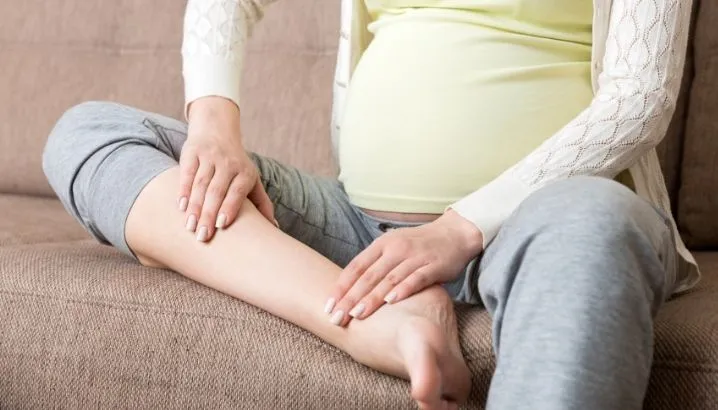
You are carrying new life, and suddenly your legs look like a road map. For many women, pregnancy brings the first appearance of varicose veins, or turns mild existing veins into painful, swollen, and visible ones almost overnight.
It feels alarming, and it happens to far more women than most people realize.
The reason varicose veins worsen during pregnancy is not coincidence; it is a direct consequence of specific, powerful physiological changes that every pregnancy triggers.
Women across Pune seeking varicose vein during pregnancy treatment in Pune frequently turn to Lokmanya Hospitals, a trusted multispecialty hospital with experienced vascular and obstetric care, looking for answers that are both clinically accurate and safe for their baby.
This article gives you exactly that: clearly and without unnecessary alarm.
Key Takeaways:
- The exact hormonal and physical reasons pregnancy worsens varicose veins
- Where pregnancy varicose veins can appear, including locations rarely discussed
- Whether pregnancy veins pose any risk to you or your baby
- Safe management options during pregnancy that actually work
- What to realistically expect after delivery and when to seek treatment
Why Does Pregnancy Cause Varicose Veins to Appear or Worsen So Quickly?
Pregnancy does not cause varicose veins through a single mechanism; it triggers several simultaneously, which is why the onset can feel sudden and the progression rapid.
- The Hormonal Mechanism: What Progesterone Does to Vein Walls
From the earliest weeks of pregnancy, progesterone levels rise dramatically. Progesterone is essential for maintaining pregnancy; it relaxes smooth muscle throughout the body to prevent premature uterine contractions. The problem is that vein walls also contain smooth muscle, and they relax too.
A relaxed vein wall is a weakened vein wall. It stretches more easily under pressure, dilates beyond its normal diameter, and loses the structural support that keeps blood moving efficiently toward the heart.
The one-way valves inside the vein, already under pressure from increased blood volume, begin to fail more easily in this hormonally softened environment.
This is why varicose veins can appear as early as the first trimester, before the uterus is large enough to exert any mechanical pressure on the pelvic veins. The hormones arrive before the bump does.
- The Blood Volume Increase: Why the Venous System Gets Overwhelmed
Pregnancy increases total blood volume by approximately 40 to 50 percent by the third trimester. This is a physiological requirement: the growing placenta and fetus need a significantly expanded circulation.
But the venous system, which must return all of this extra blood to the heart against gravity, faces a workload it was not designed to handle indefinitely.
The increased volume means increased pressure inside every vein. Veins that were borderline competent before pregnancy—functioning but not with much reserve—become symptomatic under this expanded load.
Women with a family history of varicose veins are particularly vulnerable because their veins start pregnancy with less functional reserve than average.
- How the Growing Uterus Compresses the Major Pelvic Veins
As the uterus grows through the second and third trimesters, it exerts direct mechanical pressure on the inferior vena cava, the large vein that carries blood from the lower body back to the heart, and on the iliac veins that drain blood from each leg.
This compression acts like a partial obstruction. Blood attempting to return from the legs meets resistance at the pelvic level.
The back-pressure generated by this obstruction is transmitted downward into the leg veins, which dilate and develop venous reflux (backward blood flow) as their valves are overwhelmed.
This mechanism intensifies as pregnancy progresses, which is why many women report that their varicose veins feel worst in the third trimester and improve after delivery.
- Why Sleeping Position Directly Affects Venous Pressure
This is a connection almost no patient article addresses. Lying flat on your back during pregnancy places the full weight of the uterus directly on the inferior vena cava. This significantly worsens venous obstruction and dramatically increases leg vein pressure.
Sleeping on the left side, a recommendation most pregnant women receive from their obstetrician for fetal heart rate reasons, also directly benefits the venous system.
The left lateral position shifts the uterus away from the inferior vena cava, reducing compression and allowing freer venous return from the legs.
For women with significant pregnancy-related varicose veins, this sleeping position is genuinely therapeutic, not just a comfort preference.
Where Do Pregnancy Varicose Veins Typically Appear, and Is It Only the Legs?
No, and the locations beyond the legs are almost never discussed in patient-facing content, leaving women confused and worried about symptoms they cannot find information on.
- Leg Varicose Veins: The Most Recognised Presentation
The legs remain the most common site, with veins typically appearing along the inner thigh, calf, and behind the knee following the course of the great saphenous vein. Symptoms follow a predictable pattern: leg heaviness and aching that builds through the day, swelling around the ankles by evening, and visible veins that were absent before pregnancy.
If you're trying to gauge how mild or advanced your veins are, our guide on varicose veins: symptoms, stages, and early warning signs breaks down the clinical staging system doctors use, which is helpful background before your pregnancy vein changes are assessed.
- Vulvar Varicosities: The Condition Nobody Talks About
Vulvar varicosities, varicose veins affecting the external genitalia, occur in an estimated 10 percent of pregnant women yet are rarely mentioned in pregnancy health resources.
They appear as soft, bulging, sometimes visible veins in the vulvar region and can cause significant discomfort, pressure, and aching, particularly after prolonged standing.
They are caused by the same mechanism as leg varicosities: pelvic venous congestion from hormonal relaxation and uterine compression of pelvic veins. The vast majority of vulvar varicosities resolve within six to eight weeks after delivery as hormonal levels normalize and pelvic pressure is relieved. In the rare cases where they persist, treatment is available and effective.
- Pelvic and Rectal Varicosities: The Hemorrhoid Connection
Hemorrhoids, which affect a substantial proportion of pregnant women, particularly in the third trimester and postpartum period, are anatomically varicose veins of the rectal venous plexus.
They develop through exactly the same mechanism: increased pelvic venous pressure, hormonal vein wall relaxation, and the straining that accompanies constipation in pregnancy.
Understanding that hemorrhoids are a form of varicose vein explains why women who develop leg varicose veins in pregnancy frequently also develop hemorrhoids, and why both conditions tend to improve after delivery.
Are Varicose Veins During Pregnancy Dangerous for the Mother or Baby?
For the majority of women, pregnancy varicose veins are uncomfortable and distressing but not medically dangerous. However, specific warning signs require prompt attention.
- The Risk to the Mother: Thrombophlebitis and Clotting
Superficial thrombophlebitis, inflammation and clotting inside a varicose vein, can occur during pregnancy.
It presents as sudden localized pain, hardness, and redness along a vein and requires medical evaluation to distinguish it from the far more serious deep vein thrombosis (DVT).
If you'd like to understand this distinction in more depth, our detailed guide on whether varicose veins can cause a blood clot, and how DVT differs from a superficial clot, explains the warning signs and when urgent care is needed—useful context for any pregnant woman monitoring vein changes.
Pregnancy independently increases DVT risk by four to five times compared to the non-pregnant state due to the hypercoagulable (increased clotting tendency) state that pregnancy creates to protect against hemorrhage at delivery.
Any sudden, significant leg swelling, pain, warmth, or redness, particularly if affecting the entire calf or thigh, warrants same-day medical assessment.
- Does Venous Disease Affect the Baby?
Varicose veins in the mother's legs do not directly affect fetal development or placental function. The placental circulation is an independent system. There is no evidence that maternal leg varicose veins compromise fetal oxygen delivery or growth.
However, a DVT in pregnancy, which is a distinct and more serious condition, does carry risks that require anticoagulation treatment, careful obstetric monitoring, and specialist vascular input.
- When Pregnancy Varicose Veins Warrant Investigation
Seek assessment if you experience rapid worsening of leg swelling beyond normal pregnancy edema, significant pain in a specific vein that feels hard or cord-like, skin redness or warmth over a vein, or any shortness of breath associated with leg symptoms.
These warrant urgent evaluation, not because they are likely to be dangerous, but because the conditions they might indicate require prompt diagnosis.
What Can Be Done to Manage Varicose Veins Safely During Pregnancy?
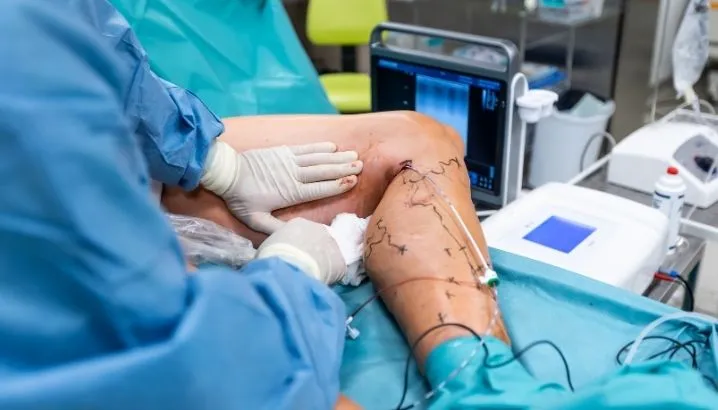
Most conventional varicose vein treatments—laser ablation, sclerotherapy, and radiofrequency procedures—are not performed during pregnancy. But there are genuinely effective conservative measures available.
- Compression Stockings: The Safest and Most Effective Option
Medical-grade graduated compression stockings are safe throughout pregnancy and are the most evidence-based intervention for managing pregnancy varicose veins.
Class I (15–21 mmHg) or Class II (23–32 mmHg) stockings, selected based on symptom severity, significantly reduce leg heaviness, swelling, and the rate of new vein development.
They must be applied in the morning before standing: the critical detail most patients miss.
As the pregnancy progresses and abdominal size increases, applying stockings becomes physically harder. Stocking applicator devices, available at most pharmacies, make this practical into the third trimester.
- Safe Exercises That Support Venous Return
Walking, swimming, and prenatal yoga are all appropriate forms of exercise that activate the calf pump and support venous return. Avoid prolonged standing in one position, high-impact activity after the first trimester, and any exercise involving lying flat on the back after week 16.
Ankle pumps and calf raises can be performed while seated throughout the day and are particularly valuable for women in desk-based occupations who cannot take frequent movement breaks during working hours.
- Practical Daily Habits That Reduce Vein Pressure
Elevating the legs above heart level for 15 to 20 minutes two to three times daily, lying on the left side with legs supported on pillows, significantly reduces venous pooling and provides symptomatic relief. Avoiding tight clothing around the waist, groin, or upper thigh that restricts venous return from the legs is equally important.
Staying well hydrated reduces blood viscosity and supports more efficient venous return: a simple measure that is frequently overlooked in conversations about pregnancy vein management.
Will varicose veins go away after delivery, or are they permanent?
This is the question every pregnant woman with varicose veins most wants answered.
- What the Research Shows About Postpartum Venous Recovery
The research gives a genuinely encouraging answer with important nuance. Studies show that approximately 30 percent of varicose veins that appear during a first pregnancy resolve completely within three to twelve months postpartum. An additional proportion improve significantly, though not completely.
The mechanism of recovery is logical: progesterone levels fall rapidly after delivery, removing the hormonal relaxation effect on vein walls.
Blood volume normalizes over six to eight weeks. Uterine compression of pelvic veins is immediately relieved at delivery.
- Which Veins Tend to Resolve and Which Do Not
Smaller varicosities, spider veins, and vulvar varicosities have the highest rates of spontaneous resolution. Larger truncal varicose veins, particularly those involving the great saphenous vein, are less likely to resolve completely, especially after multiple pregnancies or in women who already had vein disease before pregnancy.
Veins that remain visibly enlarged and symptomatic at six months postpartum are unlikely to resolve further on their own and are appropriate candidates for treatment at that point.
- The Six-Week to Six-Month Postpartum Window
Most vascular specialists recommend waiting at least three to six months after delivery before assessing residual varicose veins for treatment. This allows time for hormonal normalization, blood volume reduction, and natural vein recovery before any interventional decision is made.
A duplex ultrasound at this point accurately maps what remains, distinguishing between veins that are genuinely problematic and those that are still in the process of recovering.
If you are in Pune or Pimpri Chinchwad and have varicose veins that have persisted or worsened beyond this postpartum window, a vascular consultation at Lokmanya Hospitals provides the expert assessment you need.
You can also review the full range of varicose vein treatment options at Lokmanya Hospitals from compression-based management to minimally invasive procedures like laser ablation and sclerotherapy, to understand what postpartum treatment may involve before your consultation.
Visit lokmanyahospitals.com to book your appointment. Pregnancy varicose veins relief in Pimpri Chinchwad is available, and postpartum treatment options are highly effective. Mothers based closer to Pimpri Chinchwad can also find varicose veins treatment in Pimpri, making it easier to schedule a postpartum vascular review without traveling across the city.
Does Each Pregnancy Make Varicose Veins Progressively Worse?
This is a clinically important question that almost no patient content addresses directly, and the honest answer is yes, with each pregnancy carrying cumulative risk.
- The Cumulative Effect of Multiple Pregnancies
Each pregnancy subjects the venous system to the same cycle of hormonal relaxation, volume overload, and mechanical compression.
Vein valves that partially recovered after a first pregnancy face the same stresses again during a second, often starting from a position of slightly reduced reserve.
Research consistently shows that varicose vein prevalence and severity increase with each pregnancy. Women who had mild varicose veins in their first pregnancy frequently have more significant disease in their second, and those who had no veins in their first pregnancy may develop them in their second or third.
- How to Reduce Risk in Subsequent Pregnancies
Starting compression stocking use earlier, ideally from the first trimester in women who had vein problems in a previous pregnancy, provides the greatest preventive benefit.
Maintaining a healthy weight before conception, staying physically active, and ensuring any significant residual varicose veins from a previous pregnancy are treated before the next pregnancy all measurably reduce the risk and severity of recurrence.
A vascular assessment between pregnancies, particularly after a first pregnancy complicated by significant varicose veins, is time well spent.
Treating veins between pregnancies, when treatment is safe and recovery is straightforward, is clinically preferable to managing worsening disease through repeated pregnancies.
Final Thoughts
Pregnancy varicose veins are not your fault, they are not a sign that something is seriously wrong, and in most cases, they are manageable with the right approach.
The hormonal and physical changes of pregnancy create near-perfect conditions for vein disease to develop or worsen, but these same changes partially or fully reverse after delivery.
Wear compression stockings consistently, stay active with appropriate exercise, sleep on your left side, and elevate your legs regularly.
If symptoms are significant, seek a vascular assessment; safe and appropriate antenatal support is available.
And after delivery, give your veins time to recover before making any treatment decisions. Most improve meaningfully.
Those that remain problematic at six months postpartum are highly treatable with modern minimally invasive procedures that fit around the demands of new parenthood.
Frequently Asked Questions
Can varicose veins during pregnancy cause complications during labor or delivery?
Varicose veins in the legs do not directly complicate labor or delivery. However, vulvar varicosities may be monitored by the obstetric team, as significant varicosities in this area carry a small risk of increased bleeding during vaginal delivery. Most obstetric teams are experienced in managing this, and it does not typically require cesarean section unless other factors are involved.
Which trimester are varicose veins usually worst in?
Varicose veins typically worsen progressively through pregnancy, with symptoms peaking in the third trimester when blood volume is at its highest and uterine compression of pelvic veins is greatest. Many women notice a significant improvement within the first week after delivery as these mechanical pressures are immediately relieved.
Is it safe to have a massage on legs with varicose veins during pregnancy?
Gentle, superficial massage on the legs is generally safe during pregnancy and can provide temporary symptomatic relief. However, deep tissue massage directly over varicose veins should be avoided, as it can displace blood clots if any superficial thrombophlebitis is present. Always inform your massage therapist that you are pregnant and have varicose veins so they can adjust their technique appropriately.
How should I sleep to reduce varicose vein discomfort during pregnancy?
Sleeping on your left side with a pillow supporting your legs slightly elevated is the most beneficial position for pregnancy varicose veins. This position reduces uterine compression on the inferior vena cava, improves venous return from the legs, and has the added benefit of optimizing blood flow to the placenta—making it the recommendation most obstetricians already give for fetal wellbeing.
If I needed treatment for varicose veins before pregnancy, is it safe to get pregnant again?
Yes, having undergone varicose vein treatment does not affect fertility or the safety of subsequent pregnancies. The treated veins are permanently closed and will not reopen during pregnancy. However, new varicose veins can develop during subsequent pregnancies in different vein segments because the underlying tendency toward vein wall relaxation and valve weakness persists. A vascular review before planning a subsequent pregnancy allows for early preventive planning.

Dr. Pranjal Melge
- MBBS, DNB (General Surgery), DrNB (Vascular Surgery)
Consultant Vascular & Endovascular Surgeon