Winter Skin Allergies: Causes, Symptoms & Treatment
Category: Dermatology
 Tue Nov 25 2025


As temperatures drop, many individuals in Pune begin to notice sudden changes in their skin — dryness, itching, redness, and flare-ups that weren’t present during warmer months. These reactions are often signs of winter skin allergies, triggered by cold air, low humidity, and indoor heating. Sensitive skin becomes more reactive, and pre-existing conditions like eczema, dermatitis, or psoriasis may worsen.
For those seeking expert care, skin allergy treatment in Pune should address both environmental triggers and underlying skin sensitivities. At Lokmanya Hospital, patients benefit from advanced dermatological evaluation and the guidance of an experienced skin allergy doctor in Pune, ensuring that seasonal skin issues are diagnosed accurately and treated effectively.
Why Winter Triggers Skin Allergies
Winter air is cold and dry, stripping the skin of its natural moisture barrier. Indoor heating further reduces humidity, leaving skin vulnerable to allergens and irritants. The result is increased sensitivity, inflammation, and discomfort — especially in individuals with already reactive skin.
Additionally, reduced sun exposure and frequent use of wool or synthetic fabrics can aggravate skin conditions. These factors combine to create a perfect storm for allergy-prone individuals, making winter a high-risk season for skin flare-ups.
Common Winter Skin Allergy Symptoms
- Persistent Dryness and Flaking
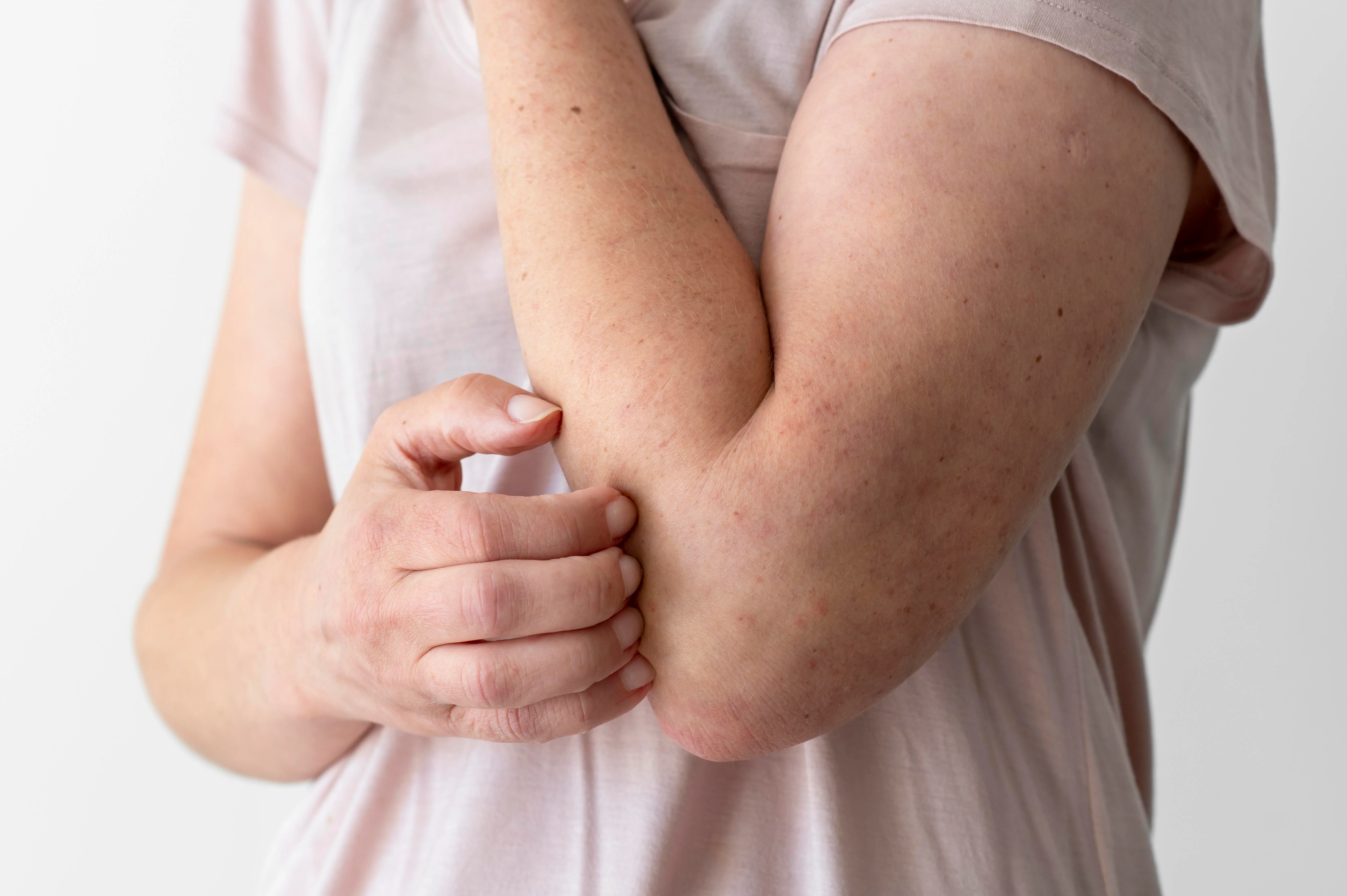
Skin becomes rough, scaly, and visibly dry, especially on the face, hands, and legs. - Itching and Irritation
Constant scratching due to dryness or allergic reactions can lead to further inflammation and skin damage. - Red or Inflamed Patches
Allergic flare-ups often appear as red, swollen areas that may feel warm or tender to the touch. - Cracked or Bleeding Skin
Severe dryness can cause painful cracks, particularly on knuckles, heels, and elbows. - Burning or Stinging Sensation
Skin may react sharply to soaps, lotions, or even water, indicating a compromised barrier. - Cold-Induced Rashes
Exposure to cold air can trigger hives or rashes, especially in people with cold urticaria. - Worsening of Chronic Conditions
Eczema, psoriasis, and contact dermatitis often flare up during winter due to environmental stressors.
Causes of Winter Skin Allergies
- Cold, Dry Air
- Low humidity and cold temperatures strip the skin of its natural oils, weakening its protective barrier.
- Indoor Heating Systems
Heaters reduce moisture in the air, leading to dehydration of the skin and increased sensitivity. - Wool and Synthetic Fabrics
These materials can irritate the skin or trigger contact allergies, especially when worn directly on dry skin. - Hot Showers and Harsh Soaps
Prolonged exposure to hot water and chemical-laden cleansers can worsen dryness and cause irritation. - Reduced Water Intake
People tend to drink less water in winter, which affects skin hydration and elasticity. - Underlying Skin Conditions
Individuals with eczema, rosacea, or allergic dermatitis are more prone to winter flare-ups.
Managing Winter Skin Allergies
- Use Rich, Fragrance-Free Moisturisers
Apply thick creams or ointments immediately after bathing to lock in moisture and repair the skin barrier. - Switch to Gentle Cleansers
Avoid soaps with alcohol or artificial fragrances; opt for pH-balanced, hypoallergenic products. - Stay Hydrated Throughout the Day
Drinking enough water helps maintain skin elasticity and supports the body’s natural detoxification process. - Wear Soft, Breathable Fabrics
Choose cotton or bamboo fabrics that allow airflow and reduce friction against sensitive skin. - Limit Hot Water Exposure
Use lukewarm water for showers and keep them short to prevent further drying of the skin. - Use a Humidifier Indoors
Adding moisture to the air helps prevent skin from drying out in heated environments. - Follow a Skin-Supportive Diet
Include foods rich in omega-3 fatty acids, vitamin E, and antioxidants to nourish skin from within.
Treatments for Skin Allergies at Lokmanya Hospital
- Personalised Dermatology Consultations
Each patient receives a tailored evaluation to identify triggers and underlying skin conditions. - Allergy Testing and Patch Analysis
Diagnostic tools help pinpoint specific allergens responsible for flare-ups. - Prescription-Based Topical and Oral Therapies
Medications such as corticosteroids, antihistamines, or barrier creams are used based on severity. - Moisture Barrier Repair Therapies
Clinical treatments help restore the skin’s protective layer and reduce sensitivity. - Phototherapy for Chronic Skin Conditions
Controlled light therapy is used for eczema, psoriasis, and other persistent conditions. - Lifestyle and Skincare Guidance
Patients receive expert advice on daily routines, product choices, and preventive care.
Why Choose Lokmanya Hospital for Skin Allergy Care
Lokmanya Hospital offers comprehensive skin allergy treatment in Pune, combining clinical expertise with advanced dermatological care. Each treatment plan is customised to address the patient’s skin type, allergy triggers, and seasonal challenges.
Whether you're dealing with eczema, contact dermatitis, or unexplained winter rashes, the hospital’s specialists provide targeted care that restores comfort and confidence. For those seeking a trusted skin allergy hospital in Pune, Lokmanya delivers both relief and long-term skin health through evidence-based solutions and compassionate support.
Conclusion
Winter skin allergies can disrupt daily life, causing discomfort, irritation, and emotional distress. But with the right care, these symptoms can be managed effectively. Simple changes in skincare routine, hydration, and clothing choices can make a big difference.
If your symptoms persist or worsen, it’s time to consult a qualified skin allergy doctor in Pune. With expert support from Lokmanya Hospital, you can enjoy the winter season without compromising your skin’s health and comfort.
FAQs
- Why do skin allergies worsen in winter?
Cold air and low humidity weaken the skin’s barrier, making it more reactive to allergens and irritants. - Can eczema flare up during winter?
Yes, eczema often worsens in winter due to dryness, indoor heating, and increased skin sensitivity. - What fabrics are best for allergy-prone skin?
Soft, breathable fabrics like cotton are ideal. Avoid wool and synthetics that can cause friction or irritation. - Are hot showers harmful for dry skin?
Yes, hot water strips natural oils from the skin, leading to increased dryness and sensitivity. - Is a humidifier helpful for winter skin?
Absolutely. It adds moisture to dry indoor air, helping to maintain skin hydration. - What foods support healthy skin in winter?
Omega-3s, vitamin E, and antioxidant-rich foods like nuts, seeds, and leafy greens support skin health. - When should I see a doctor for skin allergies?
If symptoms persist, worsen, or interfere with daily life, consult a dermatologist for proper diagnosis and treatment.
Previous blog

What Is the Treatment for Gallbladder Sludge?
Next blog

.webp)