.webp)
Dry Skin Problems In Winter
Category: Dermatology
 Tue Nov 25 2025


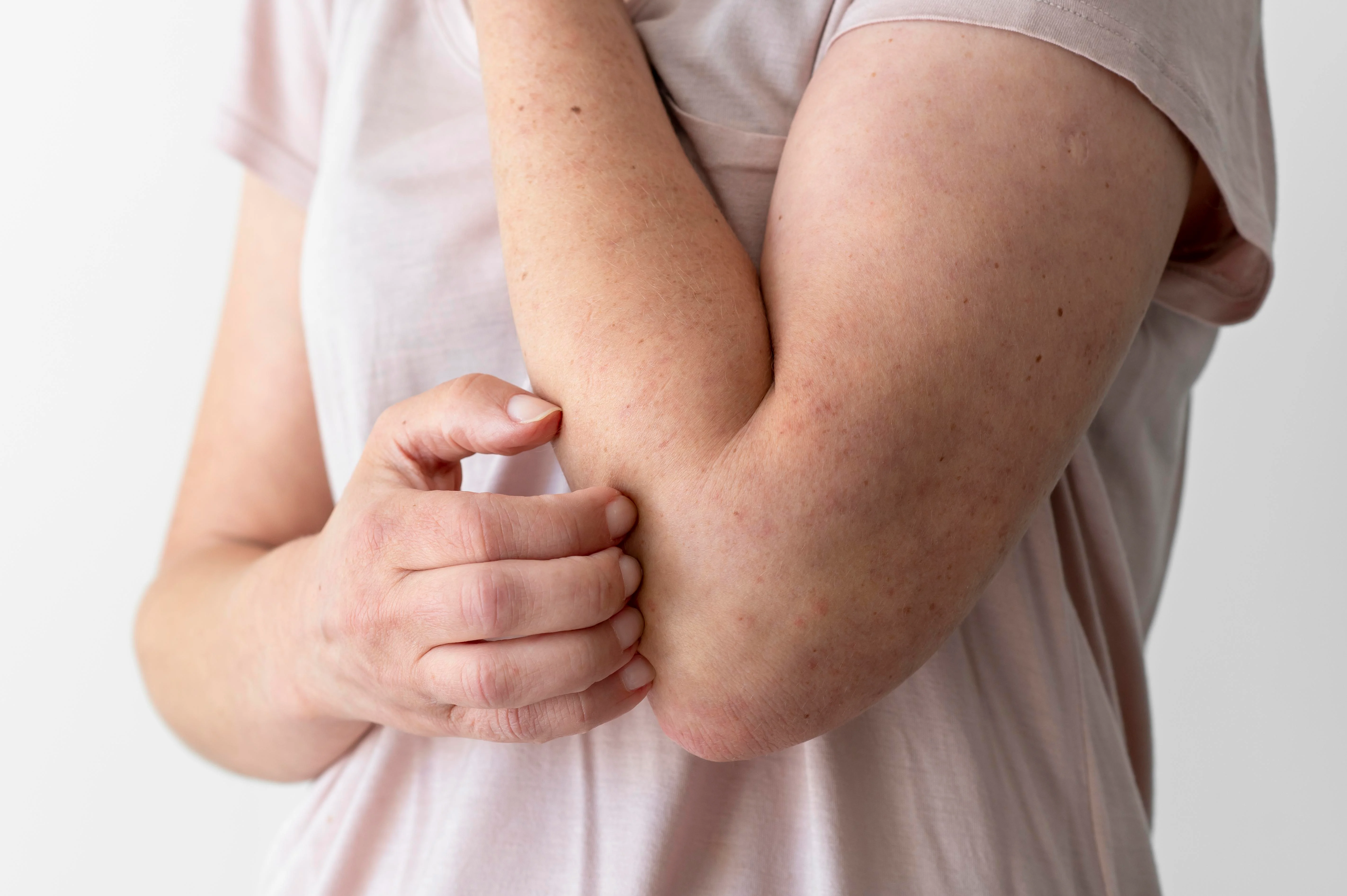
Winter brings cool weather and low humidity, creating a refreshing seasonal change — but for the skin, it can be challenging. As temperatures drop, moisture in the air decreases, which causes the skin to lose hydration faster. This often leads to dryness, flakiness, itchiness, and irritation. In more severe cases, individuals may experience painful cracks, inflammation, or heightened sensitivity. Those with conditions such as eczema, dermatitis, or psoriasis typically notice their symptoms flare during the colder months.
For many individuals, regular moisturisers stop being effective during winter, and skin discomfort continues to worsen. When dryness becomes persistent or increasingly irritating, medical evaluation becomes important. In Pune, patients benefit from structured dermatology support and personalised winter skincare guidance. Lokmanya Hospital ensures individuals receive advanced dermatology care backed by experienced specialists and modern facilities. For anyone looking for professional support or the best dermatologist in Pune, medical guidance can make a significant difference in skin comfort and long-term health.
Why Dry Skin Worsens in Winter
Cold air disrupts the skin’s natural moisture barrier. As moisture evaporates faster than it can be replenished, the skin becomes dehydrated, leading to visible dryness and discomfort. Indoor heaters reduce humidity even further, and frequent hot showers strip the skin’s natural oils, worsening irritation. People with pre-existing dermatological conditions may experience more intense itching, redness, and scaling during winter.
Common Causes of Winter Dryness
- Low Humidity Levels
Winter air contains less moisture, causing the skin to lose hydration quickly. This contributes to roughness, flakiness, and tightness, especially on exposed skin areas such as hands and face. - Hot Water Usage
Taking long, hot showers or washing the face frequently with warm water disrupts the skin’s lipid layer, leading to irritation and sensitivity. - Harsh Soaps and Products
Using alcohol-based cleansers, strong exfoliants, or fragranced skincare can damage the protective barrier and worsen dryness. - Underlying Skin Conditions
Individuals with eczema, dermatitis, or psoriasis may experience seasonal flare-ups triggered by temperature and moisture changes.
Seeking timely dermatology treatment in Pune at Lokmanya Hospital ensures the cause of winter dryness is accurately identified and treated, whether it stems from weather changes or an existing skin condition.
Symptoms You Should Not Ignore
- Persistent tightness or rough texture
- White flakes or peeling
- Itching and irritation
- Cracked skin or bleeding in severe cases
- Burning or stinging sensation after applying products
- Worsening eczema or psoriasis symptoms
If symptoms persist or become painful, medical guidance is recommended.
How to Manage Dry Skin in Winter
- Use a Thick Moisturiser containing ceramides, urea, or hyaluronic acid to replenish moisture.
- Limit Hot Showers and use lukewarm water instead.
- Switch to Gentle Cleansers designed for sensitive skin.
- Apply Lip Balm and Hand Cream frequently because these areas dry out faster.
- Use a Humidifier Indoors to maintain healthy moisture levels.
- Stay Hydrated with adequate fluid intake throughout the day.
If home care does not provide relief, a dermatologist may recommend medicated skincare or advanced solutions.
Dermatology Treatments Available at Lokmanya Hospital
- Prescription moisturisers and barrier repair creams
- Anti-inflammatory topical treatments for eczema or dermatitis
- Tailored hydrating skincare plans
- Allergy and patch testing for irritation-triggered dryness
- Light-based or laser therapies for chronic conditions
These treatments help manage dryness, repair the skin barrier, and prevent winter flare-ups effectively.
Why Choose Lokmanya Hospital for Winter Skin Concerns
Lokmanya Hospital offers comprehensive dermatology care, combining expertise with advanced technology and patient-focused treatment plans. Each patient receives a personalised approach based on their skin type, severity of symptoms, and medical history. From dry skin and winter irritation to chronic dermatological conditions such as psoriasis and eczema, treatment plans focus on long-term relief and improved comfort.
With experienced dermatologists and modern diagnostic facilities, Lokmanya Hospital is a trusted destination for individuals seeking reliable care for seasonal skin challenges. Patients looking for expert guidance, advanced therapies, and structured dermatology treatment in Pune at Lokmanya Hospital benefit from a system that prioritises accuracy, comfort, and long-term skin health.
Conclusion
Winter brings challenges for the skin, but with the right steps, individuals can maintain healthy and comfortable skin throughout the season. Understanding triggers, using proper skincare products, and making simple lifestyle adjustments can significantly reduce discomfort. While mild dryness may improve with moisturisers and routine care, persistent irritation, sensitivity, or skin disorder flare-ups should not be ignored.
Professional evaluation ensures the correct diagnosis and treatment plan based on your skin’s needs. With expert guidance, advanced dermatology support, and a personalised approach, dermatology treatment in Pune at Lokmanya Hospital ensures long-term relief, improved skin texture, and better protection against winter dryness.
FAQs
- Why does skin become dry in winter?
Cold air and low humidity cause moisture loss, damaging the skin’s natural barrier. - Are hot showers harmful during winter?
Yes, they remove essential oils from the skin, increasing irritation and dryness. - When should I see a dermatologist?
If dryness persists despite moisturising or becomes itchy, cracked, or painful, seek medical help. - Can children develop dry skin in winter?
Yes, children’s skin is more sensitive and may require gentle dermatological care. - Are medicated creams necessary for dry skin?
They may be required if dryness is linked to eczema, dermatitis, or chronic conditions. - Will moisturisers alone treat winter eczema or psoriasis?
No, medical treatment may be needed for flare-ups and inflammation.
Previous blog
Which Vitamin Deficiency Causes Mouth Ulcers?
Next blog