Knee Joint Pain In Winter
Category: Rheumatology
 Tue Nov 25 2025


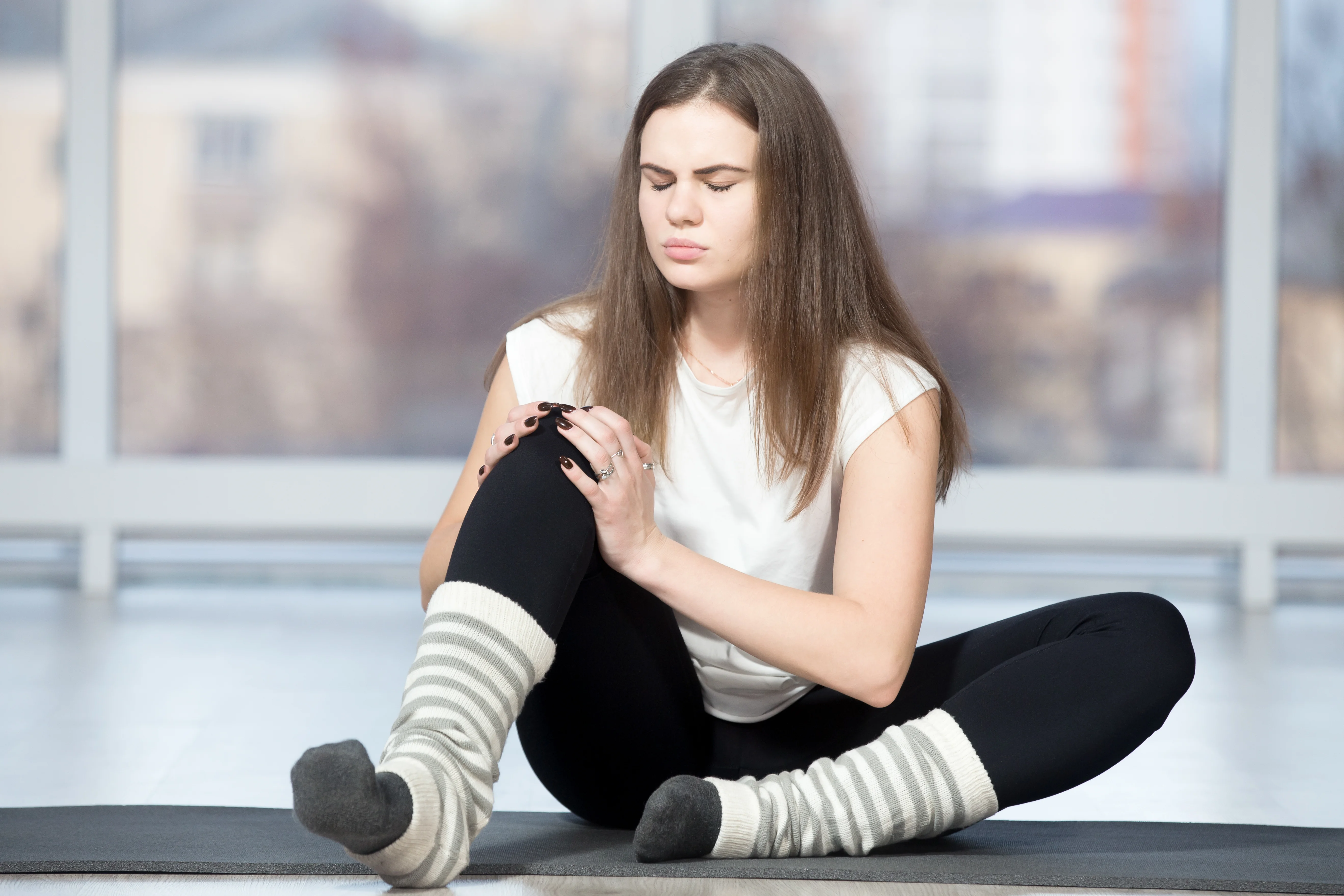
As winter approaches, many individuals in Pune begin to notice increased discomfort in their knees — especially those with arthritis, past injuries, or age-related joint degeneration. Cold temperatures can cause joint tissues to contract, reduce circulation, and thicken the fluid that cushions the knees, leading to stiffness and pain.
For those seeking expert care, knee pain treatment in Pune is most effective when it addresses both seasonal triggers and underlying joint conditions. At Lokmanya Hospital, patients benefit from advanced diagnostics and the guidance of an experienced knee pain doctor in Pune, ensuring that winter-related joint issues are managed with precision and care.
Why Knee Pain Worsens in Winter
Cold weather affects the body’s musculoskeletal system in several ways. Lower temperatures cause muscles and ligaments to contract, reducing flexibility and increasing joint stiffness. Additionally, barometric pressure fluctuations can lead to swelling in sensitive joints, particularly the knees.
Reduced sunlight exposure and physical inactivity during winter months also contribute to weakened muscles and poor joint support. These factors, combined with dehydration and poor circulation, make the knees more vulnerable to pain and inflammation.
Common Causes of Winter Knee Pain
- Drop in Temperature
Cold air tightens muscles and ligaments, increasing pressure on the knee joint. - Low Barometric Pressure
Sudden pressure changes can cause joint swelling and discomfort. - Reduced Physical Activity
Sedentary habits during winter weaken muscles that support the knee. - Dehydration
Lower water intake affects joint lubrication, making movement painful. - Pre-existing Conditions
Individuals with arthritis, ligament injuries, or cartilage wear often experience flare-ups.
Symptoms That Require Medical Attention
- Persistent knee stiffness, especially in the morning
- Swelling or redness around the joint
- Difficulty bending or straightening the knee
- Pain that worsens with cold exposure
- Limited mobility affecting daily tasks
- Warmth or tenderness in the joint
- Clicking or grinding sensation during movement
Managing Knee Pain During Winter
- Stay Warm
Use thermal wear, heating pads, and warm blankets to maintain joint flexibility. - Gentle Exercise
Low-impact activities like walking, yoga, or physiotherapy improve circulation and reduce stiffness. - Warm Baths
Soaking in warm water relaxes muscles and eases joint tension. - Hydration
Drink adequate water to support joint lubrication. - Anti-inflammatory Diet
Include turmeric, omega-3s, leafy greens, and nuts to reduce inflammation. - Moisturise Regularly
Prevent dry skin and joint irritation with daily moisturising.
Treatments for Knee Pain at Lokmanya Hospital
- Personalised physiotherapy and rehabilitation plans
- Anti-inflammatory and pain-relief medications
- Joint injections for severe inflammation
- Heat and cold therapy for symptom relief
- Advanced imaging for accurate diagnosis
- Surgical consultation for chronic or structural issues
- Rheumatology support for autoimmune-related knee pain
Why Choose Lokmanya Hospital for Knee Pain
Lokmanya Hospital is a trusted centre for knee pain treatment in Pune, offering a multidisciplinary approach that combines orthopaedic expertise, rheumatology support, and physiotherapy. Each treatment plan is tailored to the patient’s age, condition, and lifestyle, ensuring long-term relief and improved mobility.
Whether you're managing arthritis, recovering from injury, or experiencing seasonal stiffness, the hospital’s team of specialists provides compassionate care backed by modern technology. For those searching for a reliable knee pain hospital in Pune, Lokmanya offers not just treatment — but a pathway to recovery, comfort, and confidence.
Conclusion
Winter can be especially challenging for individuals with knee joint issues, but timely intervention and lifestyle adjustments can make a significant difference. Staying warm, staying active, and seeking professional guidance are key to managing seasonal flare-ups.
If you're experiencing persistent discomfort, consider consulting a skilled knee pain doctor in Pune who understands the nuances of winter-related joint pain. With comprehensive care available at Lokmanya Hospital, you can regain mobility and enjoy the season without being held back by knee pain.
FAQs
- Why does knee pain increase in winter?
Cold temperatures reduce blood flow and tighten muscles, leading to joint stiffness and discomfort. - Can arthritis worsen knee pain during winter?
Yes, people with osteoarthritis or rheumatoid arthritis often experience flare-ups in colder months. - Is it safe to exercise with knee pain in winter?
Yes, gentle exercises like walking or stretching can improve flexibility and reduce stiffness. - Do warm compresses help with knee pain?
Absolutely. Heat therapy improves circulation and relaxes tight muscles around the joint. - When should I see a doctor for knee pain?
If pain persists, worsens, or limits your mobility, consult a specialist for evaluation. - Can dehydration affect knee joints?
Yes, low water intake can reduce joint lubrication, increasing friction and pain. - What foods help reduce knee inflammation?
Turmeric, omega-3 rich foods, leafy greens, and nuts are known to reduce inflammation. - Is surgery necessary for winter knee pain?
Not always. Many cases improve with physiotherapy, medication, or joint injections. Surgery is considered for severe or chronic conditions.
Previous blog

Arthritis During Winter
Next blog