.webp)
Winter Season Diseases & Prevention
Category: General medicine
 Tue Nov 25 2025


The arrival of the winter season brings with it a beautiful change in weather, but it also signals the start of the annual disease cycle. Colder temperatures force people indoors, where viruses can spread easily, and the drop in humidity can weaken the body's natural defenses, making us susceptible to a range of illnesses, from the common cold to more serious respiratory issues. Understanding these seasonal health risks is the first step toward staying protected and knowing when to seek timely winter season disease treatment in Pune.
Navigating health concerns during this peak season requires expert guidance and accessible care. Lokmanya Hospitals is committed to helping you and your family stay safe and healthy throughout the winter months. Our dedicated team of specialists provides comprehensive care for all seasonal ailments, ensuring that you have access to reliable diagnostic and treatment services when you need them most, establishing us as a trusted winter season diseases hospital in Pune.
Common Ailments of the Winter Season
The most prevalent diseases during the winter months primarily target the respiratory system and skin, though the cold can also exacerbate chronic conditions.
1. Viral Respiratory Infections: Flu and Common Cold
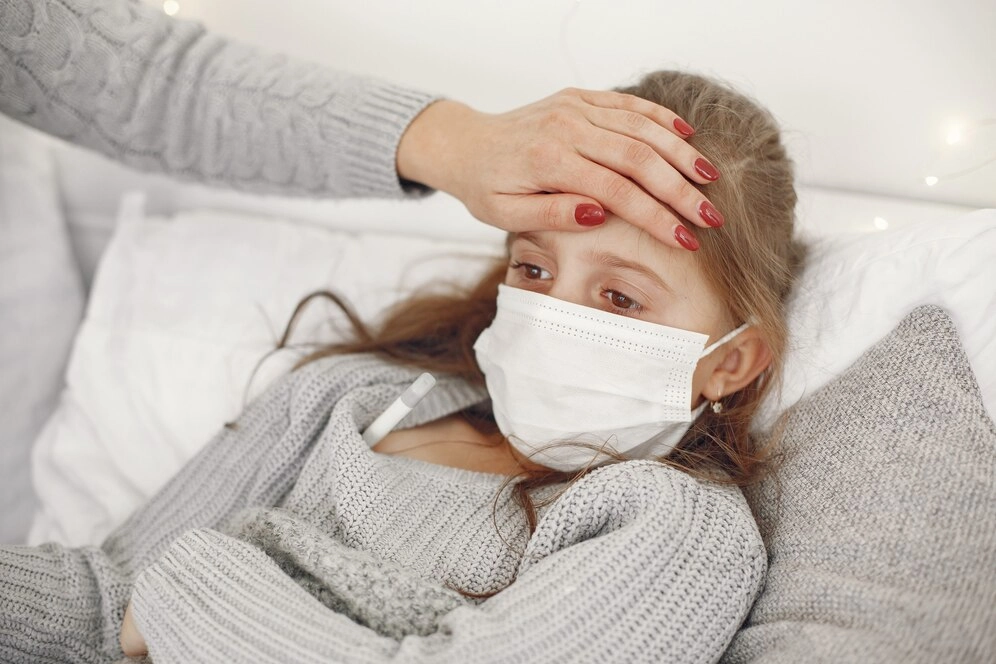
- Understanding the Spread: Influenza (Flu) and the Common Cold are highly contagious, caused by various viruses that thrive in cold, dry air and spread easily through respiratory droplets from coughing and sneezing, especially in crowded indoor spaces. The symptoms often include a runny nose, cough, body aches, and fever, which can sometimes lead to serious complications.
- Impact on the Immune System: The cold weather can suppress the immune response in the nasal passages, making it easier for these viruses to invade the body. Furthermore, the dry winter air can dry out the mucous membranes, compromising the first line of defense against airborne pathogens.
- Seeking Timely Care: While most colds resolve on their own, the flu can lead to complications like pneumonia, especially in children, the elderly, and those with underlying conditions. Timely consultation for severe symptoms ensures a correct diagnosis and the appropriate anti-viral or symptomatic care.
2. Bronchitis and Pneumonia
- Risk Factors in Winter: Acute Bronchitis and Pneumonia often develop as complications of a severe cold or flu. Bronchitis involves the inflammation of the lung's airways, while Pneumonia is a serious infection that causes inflammation and fluid build-up in the air sacs (alveoli).
- Symptom Distinction: Symptoms include persistent, deep chest coughs, difficulty breathing, high fever, and chest pain. For vulnerable groups, these conditions can be life-threatening and require immediate medical attention to prevent respiratory failure and ensure a quick recovery.
- Importance of Early Diagnosis: Early diagnosis, often through chest X-rays or sputum tests, is vital. Quick intervention, including antibiotics (if bacterial) or supportive care, is crucial for a positive outcome.
Prevention and Wellness Tips
Preventing winter diseases involves simple, proactive steps that significantly strengthen your immunity and reduce the chance of infection.
Maintaining Strong Immune Defense
- Prioritize Vaccination: Getting the annual influenza (flu) vaccine is the most effective way to prevent the flu or reduce the severity of the illness. It is especially recommended for high-risk individuals and healthcare workers. Vaccination significantly lowers the burden of seasonal illness on the body and the healthcare system.
- Practice Excellent Hygiene: Frequent and thorough hand washing with soap and water for at least 20 seconds is essential, as many viruses are transmitted by touching contaminated surfaces and then touching your face. Use alcohol-based hand sanitizer when soap and water are not available, particularly after being in public spaces.
- Stay Hydrated and Nourished: The dry winter air increases the body's need for hydration; drinking plenty of water helps keep mucous membranes moist and effective. A diet rich in Vitamin C, Vitamin D, and Zinc supports immune function, helping your body naturally fight off seasonal infections.
Why Choose Lokmanya Hospitals for Winter Season Diseases?
Choosing where to seek care during the vulnerable winter months requires confidence in the expertise and facilities provided, which is why Lokmanya Hospitals is a trusted winter season disease hospital in Pune. Our facilities are equipped with advanced diagnostic tools to quickly differentiate between a viral infection and a bacterial one, allowing our doctors to administer precise and effective treatment plans from the moment you walk through our doors.
Our team comprises leading winter season disease doctors in Pune who specialize in managing the complexities of seasonal illnesses and their complications, including severe respiratory infections and the management of chronic conditions exacerbated by the cold. We focus on evidence-based care and personalized treatment, ensuring you receive the appropriate antiviral or supportive therapy needed for a fast, full recovery.
The comprehensive care available at Lokmanya Hospitals ensures that patients receive the best winter season diseases treatment in Pune, from initial consultation and diagnostic imaging to inpatient care if required. We are committed to prioritizing patient health during the winter, offering compassionate and cutting-edge care to help you beat the chill and get back to health safely.
Conclusion
The winter season brings distinct challenges to our health, but armed with the right knowledge and timely professional support, you can protect yourself and your family. For comprehensive care, consulting with an experienced winter season disease doctor in Pune at the first sign of severe symptoms is always recommended. Lokmanya Hospitals remains your reliable partner for managing winter illnesses, providing advanced diagnostic and winter season diseases treatment in Pune. Don't let seasonal sickness slow you down—take preventive steps and know that our dedicated team is here to support your health journey throughout the colder months.
FAQs
1. Is it a cold or the flu? How can I tell the difference?
The flu is generally more severe than a cold. Flu symptoms (fever, body aches, exhaustion) often come on suddenly and intensely, while cold symptoms (runny nose, sneezing) are milder and develop gradually. A doctor can confirm the difference with a rapid diagnostic test.
2. Can the cold weather itself make me sick?
No, the cold weather itself does not cause colds or flu—viruses do. However, cold temperatures and lower humidity can make the environment more favorable for viruses to survive and can also temporarily suppress your local nasal immunity, making it easier for you to catch an existing airborne virus.
3. Who should be most concerned about winter illnesses?
Individuals at high risk include the elderly (over 65), young children (under 5), people with chronic conditions (like asthma, diabetes, or heart disease), and those with compromised immune systems. These groups should prioritize vaccinations and prompt medical care.
4. Are antibiotics effective against the flu or cold?
No. Antibiotics treat bacterial infections, while the cold and flu are caused by viruses. Antibiotics are only prescribed if a viral illness leads to a secondary bacterial infection, such as bacterial pneumonia or a bacterial sinus infection.
5. What is the role of Vitamin D in winter wellness?
Vitamin D is essential for immune system regulation. Since sun exposure decreases significantly in winter, many people become deficient. Supplementation may be recommended by a doctor to help maintain strong immunity and overall health during the colder months.
6. When should I visit the hospital instead of just resting at home?
You should visit a hospital immediately if you experience severe symptoms like shortness of breath, persistent or high fever, severe chest pain, dizziness, or confusion. These can indicate serious complications like pneumonia.
7. Is it too late to get a flu shot if winter has already started?
No, it is never too late to get the flu shot, as the flu season can last well into March or April. Getting vaccinated at any point during the winter provides protection that you wouldn't otherwise have.
Previous blog
.webp)
Dry Skin Problems In Winter
Next blog