When Should You Get a Knee Replacement?
Category: Orthopedics
 Sat Apr 25 2026


Living with chronic joint pain can turn simple activities like walking or climbing stairs into daunting tasks.
You should consider a knee replacement when severe knee pain limits your daily activities, disrupts your sleep, and no longer improves with non-surgical treatments like physiotherapy, medications, or injections.
Deciding when to get knee replacement surgery is a deeply personal choice made together with your orthopaedic specialist.
At Lokmanya Hospitals, we focus on understanding how your joint health impacts your overall quality of life before recommending any surgical steps.
Key Takeaways
- Surgery is typically advised when conservative treatments stop providing pain relief.
- Chronic pain that disrupts sleep and daily routines is a major indicator for surgical intervention.
- Both total and partial knee replacements offer excellent, long-lasting mobility results.
- Early consultation helps you plan a safe, effective, and personalised recovery path.
What are the primary signs that I need a knee replacement?
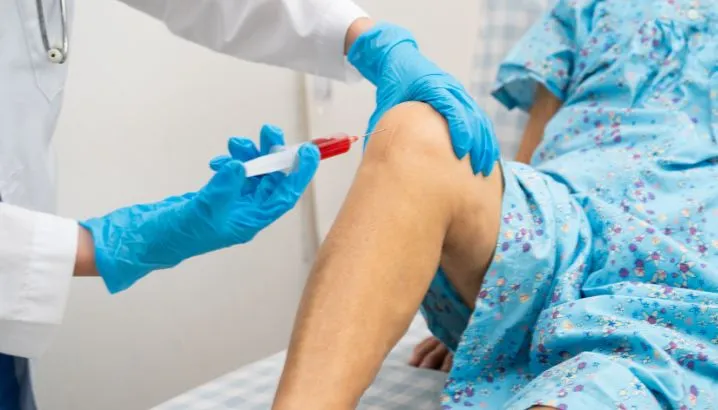
Recognising the right time for surgery starts with listening to your body. Chronic knee pain that persists even while resting or sleeping is a strong indicator that the protective cartilage in your joint has significantly worn away.
You might also notice severe stiffness, making it difficult to bend or straighten your leg completely.
Significant swelling or a visible bowing deformity in your knee suggests advanced osteoarthritis that requires professional medical attention.
Have I exhausted all non-surgical treatment options?
Before considering an operation, we always explore conservative, non-invasive therapies.
These include targeted physiotherapy, anti-inflammatory medications, weight management, and supportive joint injections.
If these methods once worked but are no longer effective, your joint degeneration may have progressed.
Surgery becomes the logical next step when these temporary measures fail to provide lasting comfort.
How is this joint pain impacting my daily life and mental health?
The emotional toll of chronic pain is just as important as the physical symptoms. If you find yourself avoiding family outings, giving up hobbies, or constantly worrying about your mobility, it is time to seek help.
Scheduling a knee replacement consultation in Pune allows our specialists to assess your specific condition using advanced imaging. Taking action early prevents further physical deterioration and helps you reclaim your independence and happiness.
Book your expert consultation with Lokmanya Hospitals today to explore personalised treatment plans directly from your mobile phone.
What is the difference between total and partial knee replacement?
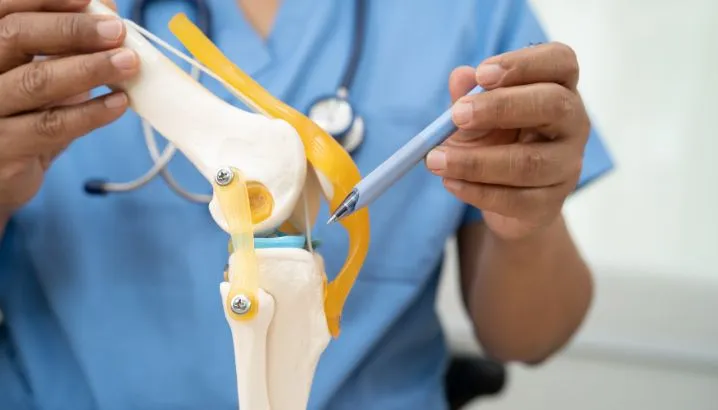
Understanding your surgical options helps alleviate preoperative anxiety. Depending on the exact location and extent of your joint damage, your surgeon may recommend one of two primary approaches.
Feature | Total Knee Replacement (TKR) | Partial Knee Replacement (PKR) |
| Extent of Damage | Severe, widespread arthritis across the entire joint. | Localised damage confined to just one area of the knee. |
| Bone Preservation | Replaces the entire joint surface with prosthetics. | Preserves your healthy bone and surrounding ligaments. |
| Recovery Time | Requires a comprehensive rehabilitation period. | Generally faster recovery with a shorter hospital stay. |
| Joint Feel | Highly functional, durable, and stable. | Often feels more natural because healthy tissue remains. |
What should I expect during the recovery process?
Modern surgical techniques have drastically improved recovery times and post-operative comfort. You will typically be encouraged to stand and walk with a mobility aid within a day of your operation.
Commitment to physical therapy is the most critical factor in a successful recovery. A dedicated exercise programme will help you rebuild muscle strength, restore your range of motion, and confidently return to your daily routines.
Why choose our knee replacement Hospital in Pune?
Undergoing major joint surgery requires a medical team you can trust completely. As a leading knee replacement Hospital in Pune, we utilise cutting-edge technology to ensure precise, durable implant placement.
Our multidisciplinary approach means you receive comprehensive care, from your initial diagnosis through to your final rehabilitation sessions.
We are dedicated to delivering world-class orthopaedic care that puts your comfort and mobility first.
Conclusion
Your journey to pain-free movement begins with a simple conversation. Knee replacement surgery is a highly successful procedure designed to restore your mobility and alleviate chronic suffering.
If joint pain is dictating how you live your life, we strongly encourage you to reach out to our compassionate orthopaedic team at Lokmanya Hospitals to discuss your best options.
Frequently Asked Questions
1. Am I too young or too old for knee replacement surgery?
Age is not a strict barrier to joint surgery. Surgeons focus more on your overall health, the severity of your joint pain, and how your condition limits your daily life.
2. How long will an artificial knee joint last?
Modern knee implants are incredibly durable and built to withstand daily wear. With proper care and a healthy lifestyle, they can easily last 15 to 20 years, or even longer.
3. Is the surgery very painful?
You will experience some expected discomfort during the initial healing phase. However, advanced pain management techniques, including spinal blocks and targeted medications, ensure your pain is well-controlled.
4. How soon can I drive after my operation?
Most patients can safely resume driving within four to six weeks. This timeline depends on which knee was operated on and when you can confidently perform an emergency stop.
5. Will I need to use a walker or crutches at home?
Yes, you will use a walker or crutches initially to ensure your safety and balance. As your leg strength improves over the first few weeks, you will gradually transition to walking independentl