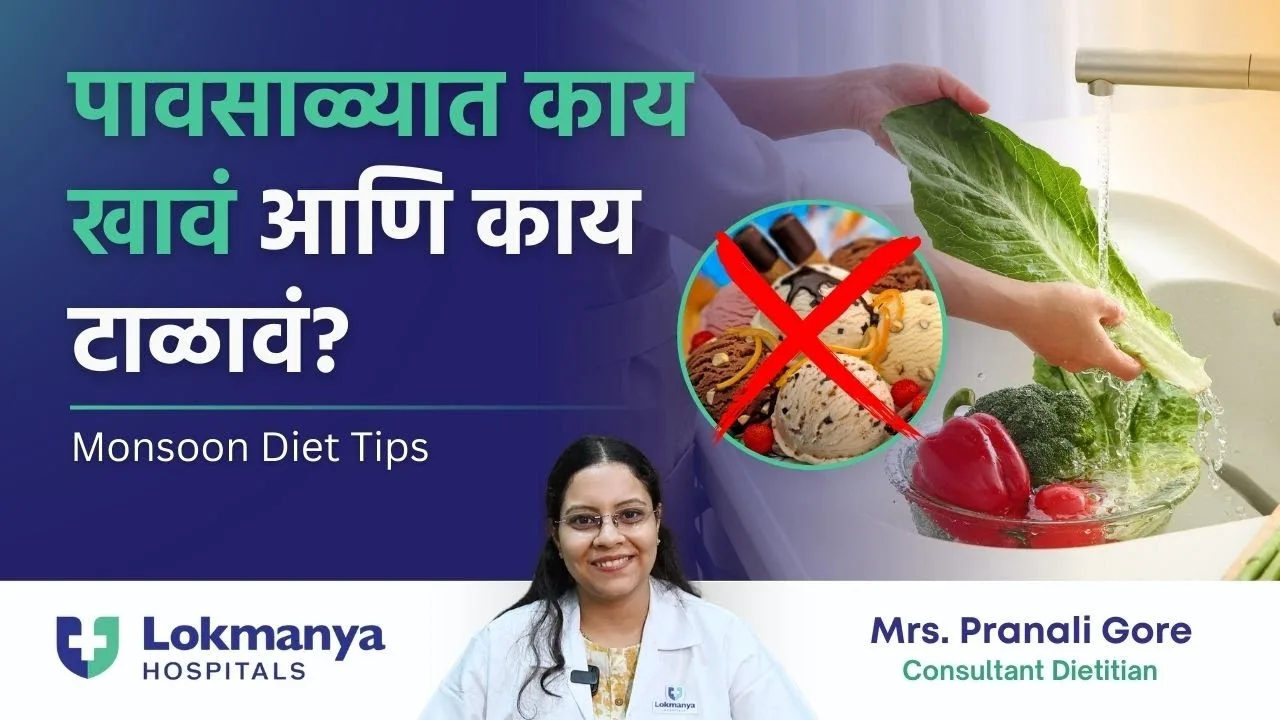
What to Eat and Avoid During the Monsoon Season
Category: General medicine
 Mon Jan 19 2026


The monsoon season brings relief from heat, but it also brings several health challenges. During this time, digestive strength weakens, immunity tends to drop, and the risk of infections increases. Many people experience frequent illness, stomach issues, and seasonal infections during the rainy months.
Making the right food choices during the monsoon plays a crucial role in maintaining good health. Understanding what to eat and what to avoid can help protect digestion and strengthen immunity during this season.
Why Diet Matters More During the Monsoon
In the rainy season, food and water contamination becomes more common. Damp weather encourages the growth of bacteria and germs, which can easily enter the body through food and water. As immunity is already low, poor dietary choices can quickly lead to illness.
A balanced and hygienic diet is essential to stay healthy during this period.
Foods to Avoid During the Monsoon
Avoid Street Food
Street food should be completely avoided during the monsoon. Items such as pani puri, chaat, fried snacks, vada, and samosa are often prepared using water and ingredients of uncertain hygiene.
Since immunity is lower during this season, consuming unhygienic street food can increase the risk of stomach infections, food poisoning, and other illnesses.
Limit Leafy Vegetables
Leafy vegetables tend to grow in contaminated water during the rainy season and may carry a high load of germs and bacteria. If possible, it is better to avoid leafy greens during monsoon.
If vegetables or fruits are consumed, they should be washed thoroughly before use to reduce the risk of contamination.
Avoid Cold Foods and Beverages
Cold foods and drinks such as ice cream, cold drinks, and chilled beverages should be avoided. These items can weaken digestion and increase the chances of cold, cough, and throat infections during the monsoon.
Foods to Include for Better Immunity
Turmeric
Turmeric is a natural antibiotic and should be included in daily meals during the monsoon. It can be consumed by:
- Adding turmeric to vegetables and cooked dishes
- Drinking turmeric milk at night or in the morning
Turmeric helps boost immunity and protects the body from infections.
Ginger and Garlic
Ginger and garlic are highly effective in preventing cold and cough.
You can include them by:
- Adding ginger to tea or green tea
- Consuming ginger decoction (kadha)
- Using garlic regularly in cooking
These ingredients help strengthen immunity and protect against seasonal infections.
Best Vegetables to Eat During the Monsoon
Since leafy vegetables are best avoided, climber or vine vegetables are safer and healthier choices during the rainy season.
These include:
- Bottle gourd
- Ridge gourd
- Snake gourd
- Ivy gourd (tendli)
- Cluster beans (gawar)
These vegetables are easier to digest and safer during the monsoon.
Prefer Warm and Freshly Cooked Foods
Warm foods help maintain digestion and provide energy. During the monsoon, it is beneficial to include:
- Vegetable soups
- Dal soups
These foods keep the body warm, support digestion, and help fight infections.
Importance of Safe Drinking Water
Water quality often deteriorates during the rainy season due to contamination. Drinking unsafe water can lead to serious health issues.
It is strongly recommended to:
- Boil drinking water before consumption
Boiling water helps kill harmful germs and bacteria, ensuring safer hydration and better health.
Conclusion
The monsoon season requires extra care when it comes to food and water choices. Avoiding street food, cold items, and unhygienic produce while including immunity-boosting ingredients and warm foods can significantly reduce the risk of illness.
Simple dietary precautions can help you stay healthy, energetic, and infection-free throughout the rainy season.