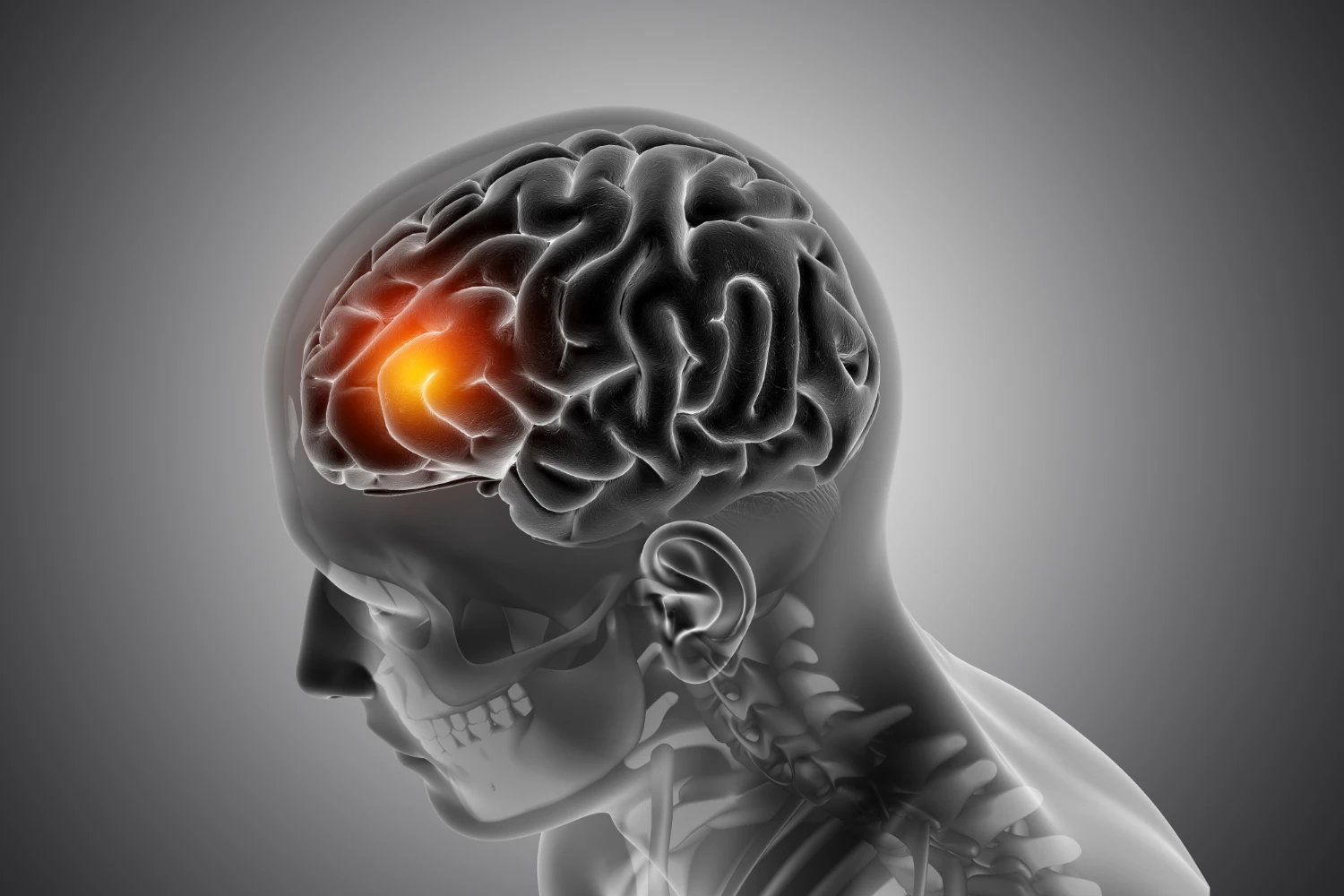
What Is Migraine Aura?
Category: Neurology
 Mon Jan 19 2026


Many patients often ask, “What exactly is migraine aura?”
Migraine is not just a headache that starts suddenly. In reality, the migraine process often begins before the headache itself.
In many people, symptoms start 5 to 60 minutes before the headache, and these early warning signs are known as migraine aura.
Common types of migraine aura
1. Visual Aura (Most common)
Visual aura is the most frequently experienced type. Patients may notice:
- Black or white spots in front of the eyes
- Flashing or flickering lights
- Zigzag or geometric patterns
- Temporary blurring or dark areas in vision
These visual changes can be alarming, but they are a known part of migraine in some patients.
2. Sensory Aura
Some patients experience unusual sensations such as:
- Tingling or numbness on one side of the face
- Tingling or numbness in one arm or hand
These sensations usually develop gradually and then resolve on their own.
3. Language or Speech Aura
In certain cases, patients may:
- Find it difficult to find the right words
- Feel confused while speaking
- Experience temporary difficulty in forming sentences
Does aura occur with every migraine?
No. Aura does not occur with every migraine attack. However, among patients who experience aura, it may happen occasionally, such as once in every few migraine episodes.
Why is awareness important?
Aura symptoms can be frightening if a patient is unaware of what is happening. Understanding that these symptoms are part of migraine can significantly reduce anxiety and fear.
What should you do during an aura?
If you experience migraine aura:
- Move to a safe and calm place
- Avoid bright lights and loud environments
- Take your migraine medication early, even before the headache begins, if advised by your doctor
When to consult a doctor
If the symptoms are new, unusual, prolonged, or different from your usual migraine pattern, it is important to consult your doctor for proper evaluation.