What does Brown Cough Indicate?
Category: General medicine
 Mon Feb 16 2026


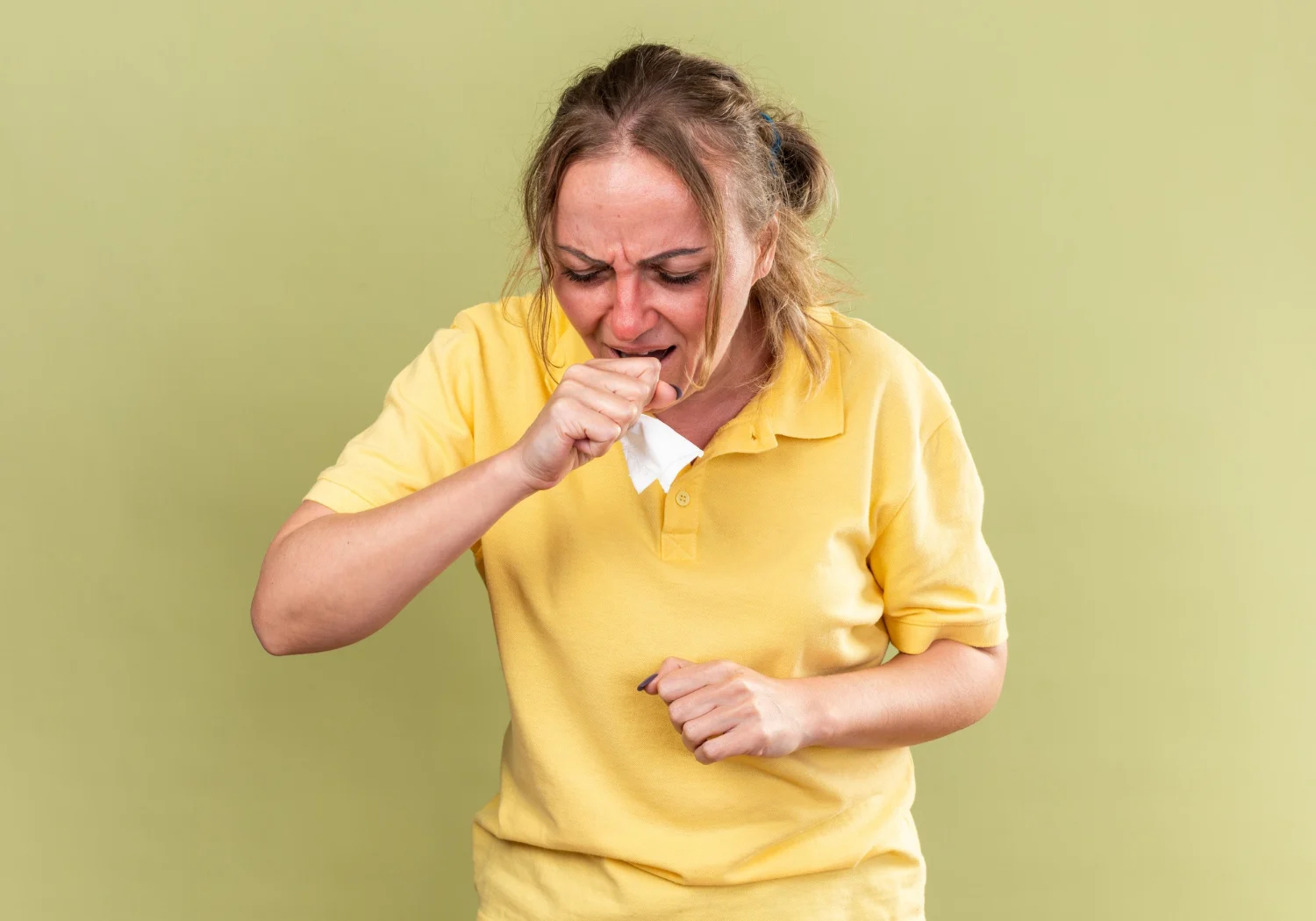
Coughing up brown sputum (phlegm) is often a startling experience, but the color itself provides critical information about what is happening in your lungs. Brown mucus typically indicates the presence of "old" blood that has oxidized over time, or the inhalation of specific environmental pollutants. Because this color suggests that an irritation or infection has been present for some time, it is a symptom that requires careful medical investigation.
At Lokmanya Hospital, a leading hospital for lung diseases in Pune, we prioritize a thorough diagnostic approach for discolored sputum. Our top pulmonologists in Pune utilize advanced testing to determine if a brown cough is a result of a past infection, environmental exposure, or a chronic respiratory condition.
What Causes Brown Sputum?
There are several reasons why your cough might produce brown phlegm, ranging from lifestyle factors to serious medical conditions:
- Old Blood (Hemosiderin): When blood sits in the lungs for a period, it changes from bright red to brown. This can occur after a severe bout of bronchitis or a previous lung injury.
- Bacterial Pneumonia: Certain types of pneumonia, such as those caused by Streptococcus pneumoniae, can produce "rusty" or brown-colored sputum.
- Smoking and Tobacco Use: Long-term smokers often cough up brown phlegm. This is typically a mix of excess mucus and the tar and resin from tobacco smoke trapped in the lungs.
- Inhalation of Pollutants: In industrial areas or high-traffic zones in Pune, inhaling coal dust, soil, or heavy smoke can turn your mucus a dark brown or even blackish hue.
- Lung Abscess: This is a serious condition where a pocket of pus forms in the lung. The resulting cough can produce thick, brown, and often foul-smelling sputum.
- Cystic Fibrosis or Bronchiectasis: These chronic conditions cause mucus to pool in the lungs, where it can become discolored due to chronic infection and minor bleeding.
Treatment Options at Lokmanya Hospital
At Lokmanya Hospital, we offer the best treatment for chronic cough in Pune by addressing the specific cause of the discoloration. Our specialized care includes:
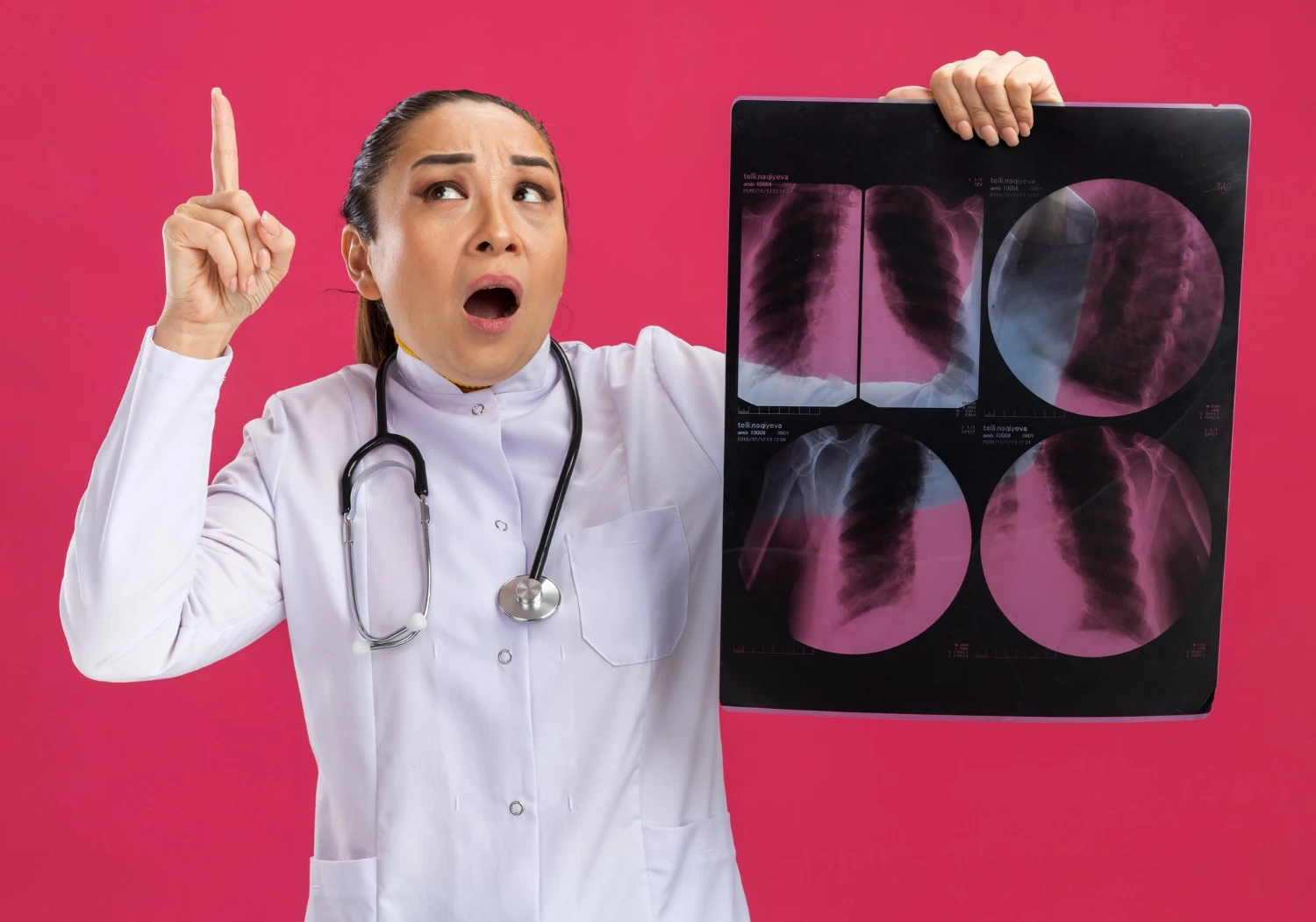
- Advanced Diagnostic Imaging We use High-Resolution CT (HRCT) scans and digital X-rays to look for signs of old infections, abscesses, or structural lung damage. We also perform sputum analysis to check for specific bacteria or fungal elements.
- Targeted Medical Therapy
- Antibiotics: If a bacterial infection like "rusty" pneumonia is detected, our doctors in Pune prescribe targeted antibiotics.
- Airway Clearance: For smokers or those with bronchiectasis, we provide mucolytics to help thin and clear the brown debris from the lungs.
- Bronchoscopy: In complex cases, our specialists may perform a bronchoscopy to look directly into the airways and clear stubborn blockages.
- Pulmonary Rehabilitation Lokmanya Hospital provides specialized chest physiotherapy in Pune to help patients with chronic brown coughs clear their lungs through controlled coughing techniques and postural drainage.
Lifestyle Tips to Manage a Brown Cough
If you are experiencing a brown cough, these steps can help support your recovery:
- Quit Smoking Immediately: Eliminating the primary source of lung irritants is the most effective way to clear brown sputum caused by tar.
- Stay Hydrated: Water helps loosen old mucus, making it easier for your lungs to expel the brown-tinged secretions.
- Wear a Mask: If you work in a dusty or polluted environment in Pune, use an N95 mask to prevent further inhalation of brown-tinted particles.
- Avoid Dry Air: Use a humidifier to keep the air moist, which prevents old blood and mucus from hardening and becoming difficult to cough up.
- Monitor Your Symptoms: Keep track of whether the brown color is fading or if it is accompanied by fresh red blood, which requires immediate attention.
When to Consult a Doctor
A brown cough should always be evaluated by a professional. Visit Lokmanya Hospital, the best hospital for respiratory care in Pune, if:
- The brown cough is accompanied by a high fever or chills.
- You notice fresh red blood mixed with the brown sputum.
- The sputum has a strong, unpleasant odor.
- You experience persistent chest pain or shortness of breath.
- The cough does not improve after a week of home care.
Why Choose Lokmanya Hospital for Respiratory Health
Lokmanya Hospital is a trusted destination for pulmonary specialists in Pune. We understand that coughing up brown phlegm can be distressing, and our team is dedicated to providing a calm, professional environment for your diagnosis and treatment.
With state-of-the-art facilities and the best lung specialists in Pune, we focus on both the immediate relief of your symptoms and the long-term preservation of your respiratory health.
Conclusion
A brown cough is a clear indicator that your lungs are attempting to clear out either oxidized blood or deeply inhaled environmental contaminants. Because this symptom can range from a simple "smoker’s cough" to a serious bacterial infection like pneumonia, obtaining a professional diagnosis is essential for your peace of mind and physical recovery. At Lokmanya Hospital, we are committed to providing the detailed diagnostics and specialized treatments necessary to address the root cause of your symptoms.
By leveraging our advanced technology and clinical expertise, we ensure that your lungs are cleared of irritants and protected from future damage. For the best respiratory treatment in Pune, consult the experts at Lokmanya Hospital today. Let us help you clear your chest and return to healthy, unrestricted breathing.
FAQs
- Does brown sputum always mean blood?
Not always; it can also be caused by inhaling large amounts of dust, smoke, or tobacco tar. - What is the difference between brown and red sputum?
Red indicates fresh bleeding, while brown usually indicates “old” blood that has been in the lungs for a while. - Can a brown cough be a sign of pneumonia?
Yes, certain types of bacterial pneumonia produce a “rusty” brown sputum. - Is brown phlegm common in smokers?
Yes, tar and chemicals from cigarettes often turn mucus brown. - Does Lokmanya Hospital offer bronchoscopy?
Yes, we have advanced bronchoscopy suites for detailed lung examinations. - Can air pollution in Pune cause brown cough?
Yes, inhaling heavy dust or industrial smoke can cause brown-tinted mucus. - Is a brown cough contagious?
If it is caused by an infection like pneumonia, the underlying germs can be contagious. - How long does it take for brown sputum to clear?
This depends on the cause; it may clear in a few days after an infection or take weeks after quitting smoking. - Can a lung abscess cause brown phlegm?
Yes, an abscess often produces thick, brown, and foul-smelling sputum. - Is steam inhalation helpful for a brown cough?
Yes, it helps loosen the thick, old mucus so it can be expelled more easily. - Does Lokmanya Hospital have pediatric lung specialists?
Yes, we provide specialized respiratory care for children. - Can a brown cough lead to scarring?
If caused by chronic infections or abscesses, it can lead to lung scarring if left untreated. - What is the best test for brown sputum?
A combination of sputum culture and a chest X-ray or CT scan is usually best. - Why is my brown cough worse in the morning?
Mucus and irritants pool in the lungs overnight, making the first cough of the day the most productive. - Who are the best pulmonologists in Pune for chronic cough?
Lokmanya Hospital features top-rated specialists dedicated to complex respiratory diagnostics.
Previous blog