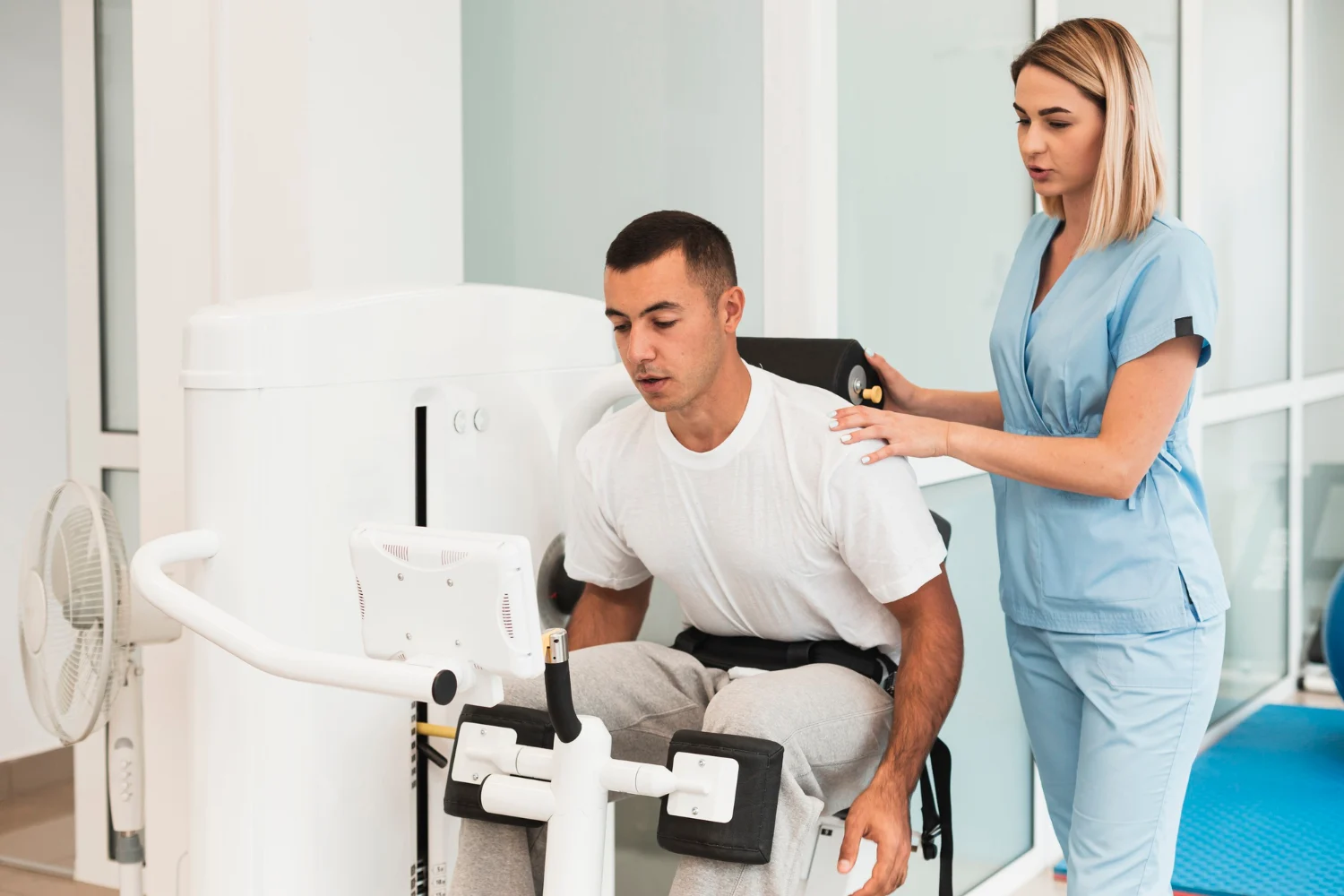
What is Post-Surgical Rehabilitation?
Category: General medicine
 Mon Feb 16 2026


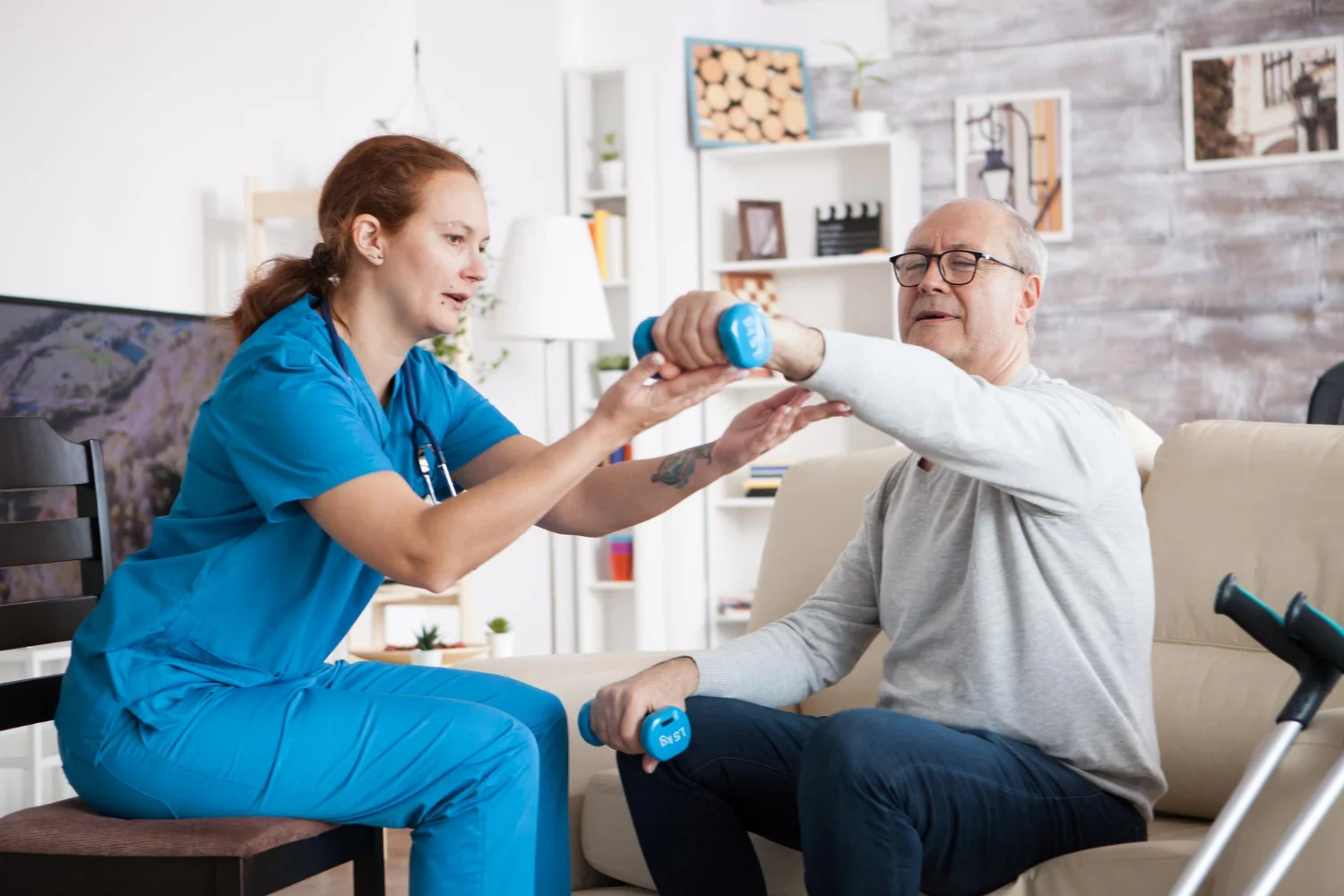
Surgery is often just the first step on the journey toward restored health and mobility. While the surgeon repairs the physical damage, it is the rehabilitation process that teaches your body how to function again. Post-surgical rehabilitation is a structured, physician-supervised program designed to help patients regain strength, flexibility, and confidence after a major operation. Without proper rehab, the body may develop scar tissue, muscle weakness, or compensatory movements that lead to chronic pain.
At Lokmanya Hospital, a premier multi-specialty hospital in Pune, we believe that the success of a surgery is measured by the quality of the patient's recovery. Our team of the best physiotherapists and orthopedic specialists in Pune works in tandem to create personalized recovery blueprints that ensure you return to your daily life safely and swiftly.
Why is Rehabilitation Essential After Surgery?
The period following an operation is critical for long-term success. Rehabilitation focuses on several key areas of recovery:
- Restoring Mobility and Range of Motion: Surgery and the subsequent period of inactivity often lead to joint stiffness. Rehab includes targeted stretching and joint mobilization to ensure you can move freely.
- Muscle Strengthening: Muscles often atrophy (waste away) quickly when they aren't used. Rehabilitation rebuilds the strength of muscles surrounding the surgical site to provide better support and stability.
- Pain Management: Specialized movement and manual therapy help reduce post-operative swelling and improve circulation, which naturally lowers pain levels and reduces reliance on medication.
- Scar Tissue Management: Targeted massage and movement prevent internal scar tissue (adhesions) from binding to muscles and nerves, which can cause long-term restriction.
- Relearning Functional Movements: Whether it is walking after a hip replacement or reaching after shoulder surgery, rehab retrains the nervous system to coordinate movement patterns correctly.
Specialized Rehabilitation at Lokmanya Hospital
At Lokmanya Hospital, we provide the best post-surgical rehabilitation in Pune by offering a multidisciplinary approach to recovery:
- Orthopedic Rehabilitation: Following joint replacements (hip, knee, or shoulder) or fracture repairs, our orthopedic specialists in Pune oversee a rigorous program to ensure the new joint or bone settles correctly and regains full function.
- Cardiac and Pulmonary Rehab: For patients recovering from heart surgery or major lung procedures, we offer monitored exercise programs that strengthen the heart and lungs while carefully managing vital signs.
- Neurological Rehabilitation: After spinal surgery or neurosurgical procedures, our therapists focus on balance, coordination, and nerve stimulation to help patients regain sensory and motor control.
- Advanced Technology and Equipment: Lokmanya Hospital features a world-class physiotherapy center in Pune equipped with specialized equipment for gait training, resistance therapy, and electrotherapy to accelerate the healing of deep tissues.
What to Expect During Your Rehab Journey
Rehabilitation is a progressive process that typically moves through three distinct phases:
- Phase 1 (Protection and Healing): Immediate post-op care focused on reducing swelling, protecting the surgical site, and performing gentle, passive movements.
- Phase 2 (Strength and Flexibility): As healing progresses, the focus shifts to active exercises to rebuild muscle mass and increase the range of motion.
- Phase 3 (Functional Restoration): The final stage involves sports-specific or work-specific training to ensure you can return to your unique lifestyle without the risk of re-injury.
Tips for a Successful Recovery
Your active participation is the most important factor in the success of your rehabilitation:
- Strict Adherence to Your Home Exercise Plan: The exercises your therapist gives you to do at home are just as important as the sessions in the clinic.
- Patience and Consistency: Recovery is a marathon, not a sprint. Do not skip sessions, even if you are feeling better.
- Maintain Proper Nutrition: Your body needs extra protein, vitamins, and minerals to repair the tissues damaged during surgery.
- Communicate with Your Team: Always report any new pain, unusual swelling, or numbness to your therapist or surgeon immediately.
- Stay Hydrated: Water is essential for cellular repair and for maintaining the elasticity of the muscles and tendons being worked during rehab.
When to Consult Your Rehabilitation Team
If you experience setbacks during your recovery, professional guidance is necessary. Visit Lokmanya Hospital, a top center for physical therapy in Pune, if:
- You experience a sudden increase in pain at the surgical site.
- Your range of motion appears to be decreasing rather than increasing.
- You notice redness, warmth, or unusual discharge from the surgical wound.
- You feel a sudden "pop" or "snap" during your exercises.
Why Choose Lokmanya Hospital for Rehabilitation
Lokmanya Hospital is a leader in comprehensive post-operative care in Pune. We don't believe in a "one-size-fits-all" approach. Every patient receives a custom-tailored plan based on their age, the complexity of their surgery, and their personal recovery goals.
With the best rehabilitation specialists in Pune and a commitment to evidence-based practice, Lokmanya Hospital ensures that your surgical journey ends with a full return to the activities you love.
Conclusion
Post-surgical rehabilitation is the vital link between a successful operation and a return to an active, pain-free life. By focusing on the restoration of strength, mobility, and functional coordination, rehabilitation ensures that the structural repairs made during surgery are supported by a resilient and capable body. At Lokmanya Hospital, we are dedicated to providing the expert guidance and advanced therapeutic techniques needed to navigate the complexities of post-operative recovery.
Our integrated team of surgeons and therapists works beside you every step of the way to ensure your recovery is thorough and your long-term health is protected. For the best post-surgical rehabilitation in Pune, consult the experts at Lokmanya Hospital today. Let us help you move forward with confidence and strength.
FAQs
- When should rehabilitation start after surgery?
Depending on the procedure, rehabilitation may begin as early as 24 hours after surgery to prevent blood clots and stiffness. - How long does post-surgical rehab usually take?
It varies by surgery. Minor procedures may need 4 to 6 weeks, while major joint replacements can require 3 to 6 months. - Is rehabilitation painful?
Some discomfort is normal when moving stiff tissues, but therapists work within your pain tolerance to ensure safe progress. - Does Lokmanya Hospital offer home physiotherapy?
We provide multiple follow-up care options. Please check with our Pune facility regarding home-visit availability. - Can I skip rehab if I feel fine?
No. Rehabilitation ensures proper joint alignment and muscle balance, preventing long-term complications and re-injury. - What is the role of a physiotherapist in recovery?
They design and supervise exercises that safely restore movement, strength, flexibility, and balance. - Will I need special equipment at home?
Your therapist may suggest simple tools like resistance bands, foam rollers, or ice packs for home exercises. - Does insurance cover post-surgical rehabilitation?
Most health insurance plans cover rehabilitation when it is medically necessary after surgery. - Can rehab help with post-surgical swelling?
Yes, techniques like manual lymphatic drainage and compression therapy are effective in reducing swelling. - What is the difference between occupational and physical therapy?
Physical therapy focuses on movement and strength, while occupational therapy helps you relearn daily activities like dressing or cooking. - Do I need a referral for rehabilitation at Lokmanya Hospital?
Direct inquiries are accepted, but having your surgeon’s post-operative protocol helps ensure coordinated recovery. - Can rehab help reduce scar tissue?
Yes, targeted massage and stretching techniques help keep scar tissue flexible and prevent movement restriction. - Is aquatic therapy available?
Please inquire with our specialized physiotherapy center in Pune about water-based rehabilitation programs. - What happens if I do not do my rehab?
You risk permanent stiffness, chronic pain, muscle weakness, and a higher chance of surgical failure. - Who are the best rehabilitation doctors in Pune?
Lokmanya Hospital features highly rated specialists in orthopedic, cardiac, and neurological rehabilitation.