Understanding Fits: Causes and What Happens in the Brain
Category: Neurology
 Tue Jan 20 2026


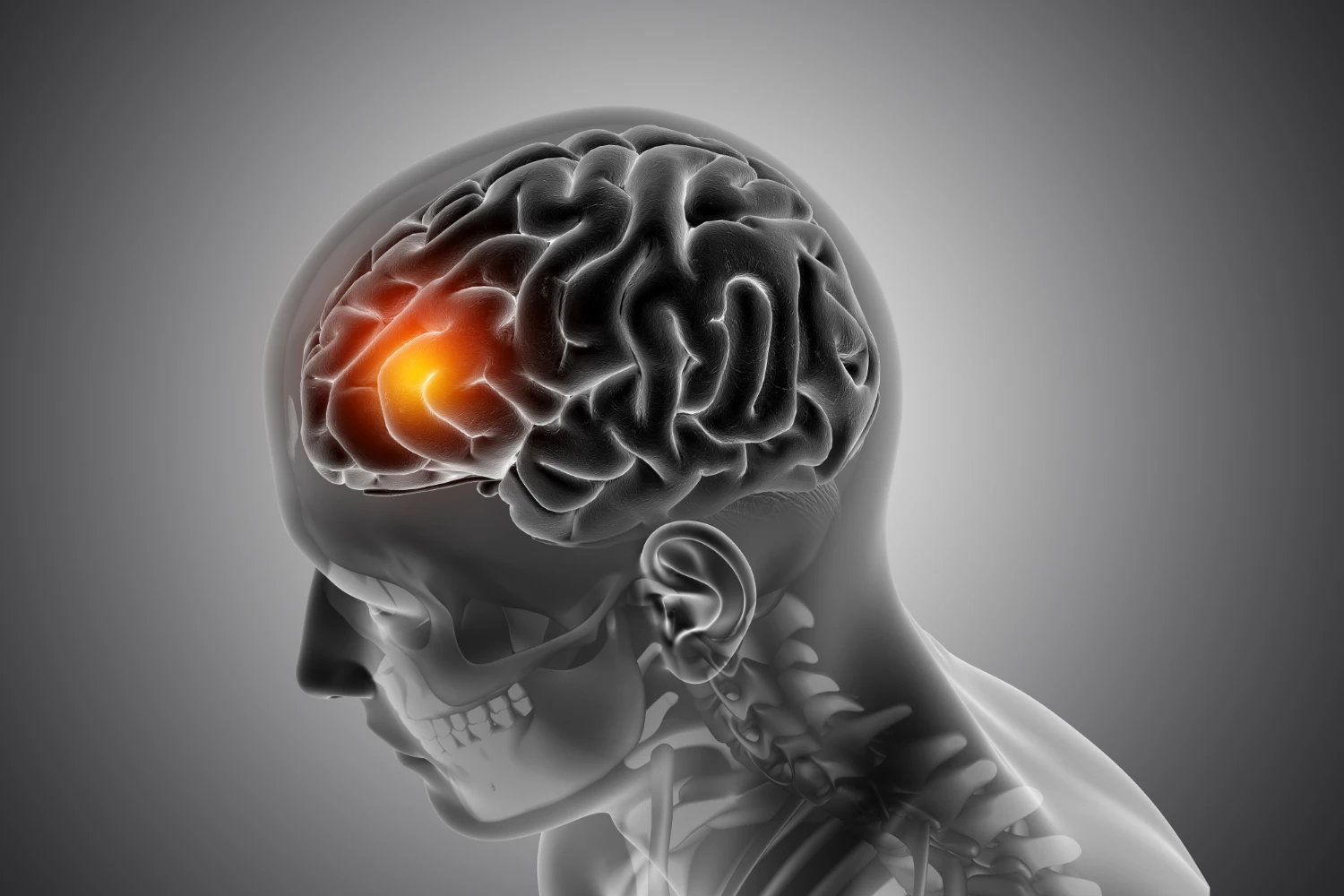
A fit, also called a seizure, occurs when the electrical signals in the brain go out of control. Normally, the brain sends messages to the body via electrical impulses. For example, when you raise your hand, your brain sends a signal through nerves, and your hand moves.
However, if there’s a problem in the electrical signaling – such as abnormal overproduction or sudden discharge of electrical energy in certain neurons – it causes a short circuit. This short circuit is what we call a fit or seizure.
- If the abnormal signal spreads throughout the brain, the person may lose consciousness.
- If it stays in a small area, only a specific part of the body is affected. For example, a short circuit in the brain area controlling facial muscles may temporarily reduce strength on one side of the face.
Even if someone experiences mild fits, it doesn’t always indicate severe brain damage. Diagnostic tests, like an EEG (electroencephalogram), can help detect the affected area and determine the most effective medication. Most cases do not require surgery.
Key Takeaway
Fits happen due to electrical disturbances in the brain. With proper testing and targeted medication, most patients can manage symptoms effectively without invasive treatment.