Brain Cancer Treatment: Surgery, Radiation, and Recovery
Category: Neurology
 Tue Jan 20 2026


Brain cancer can be frightening, but understanding the treatment process helps patients and families navigate recovery with confidence. This blog explains how brain tumors are treated, the role of surgery, radiation, medications, and lifestyle adjustments for recovery.
What is Brain Cancer?
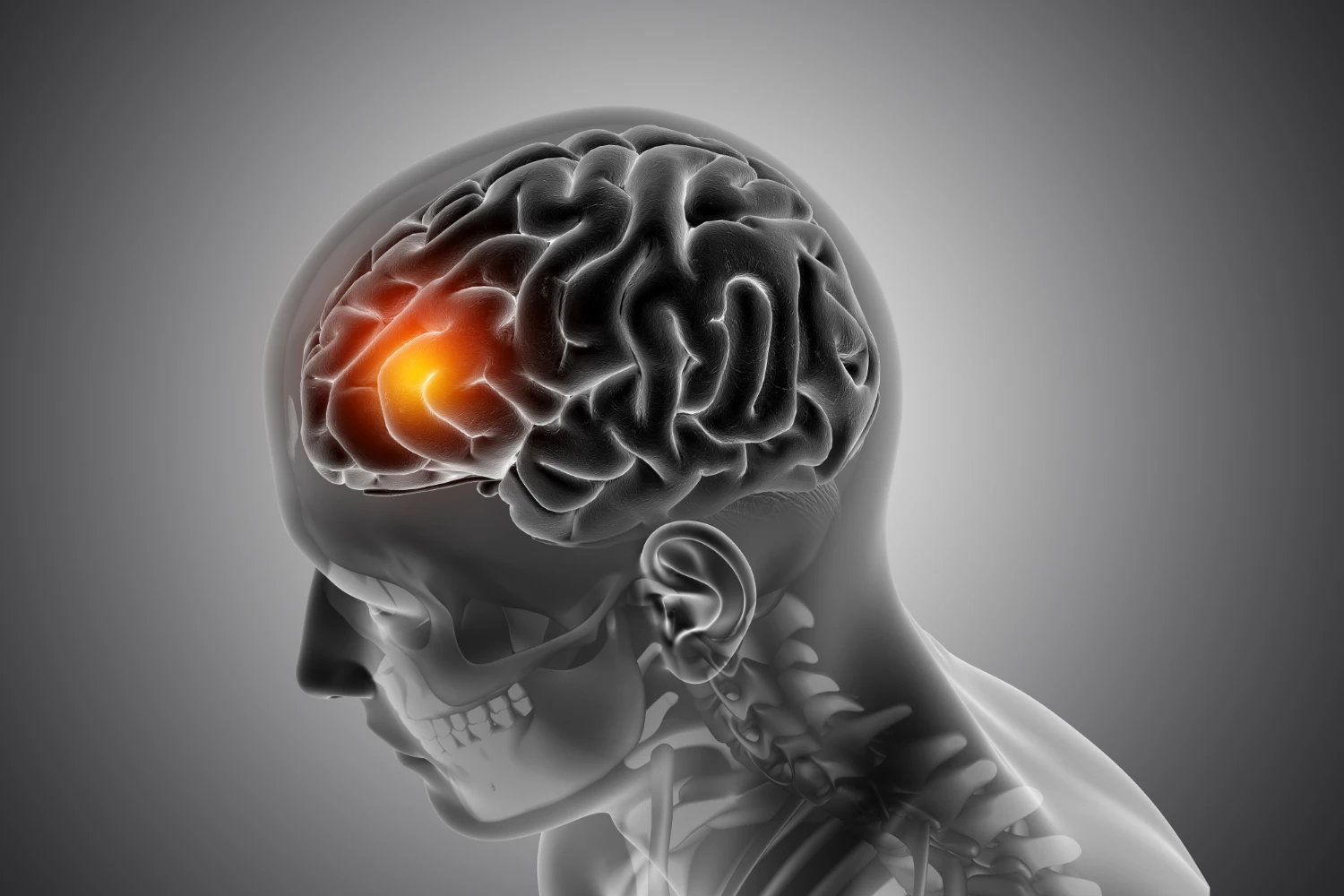
Brain cancer refers to abnormal growths of cells in the brain. Not all brain tumors are aggressive—some are rare and slow-growing. Treatment depends on the size, location, and type of tumor.
- Primary brain cancer originates in the brain.
- Secondary brain cancer spreads from other parts of the body.
Early diagnosis and intervention are crucial to achieving a positive outcome.
Surgical Removal of Brain Tumors
Surgery is often the first step in treating brain tumors. The goal is to remove the tumor completely, minimizing damage to surrounding healthy brain tissue.
Key points about surgery:
- Tumors that are easily accessible are removed fully.
- Surgeons may leave some areas if they risk damaging essential brain functions.
- Post-surgery, patients are monitored closely for complications.
Surgery alone may not be sufficient, which is why radiation therapy is often recommended afterward.
Radiation Therapy: Targeting Remaining Cancer Cells
Even after successful surgery, microscopic cancer cells can remain. Radiation therapy uses focused energy beams to destroy these cells.
- Stereotactic radiation targets only the affected area, protecting surrounding healthy tissue.
- Patients may experience temporary swelling, which is managed with medications.
- Regular follow-up scans such as MRI are essential to monitor progress.
Radiation ensures any residual tumor cells are eliminated, reducing the risk of recurrence.
Managing Post-Treatment Swelling and Symptoms
After surgery and radiation, the brain may show signs of swelling or inflammation. This is a normal response to treatment and is managed with:
- Anti-inflammatory medications
- Controlled monitoring of blood sugar in diabetic patients
- Regular imaging tests to track changes
Understanding these responses can help patients stay calm and follow their recovery plan confidently.
The Role of Medications
Certain medications help in recovery and reduce treatment-related side effects:
- Anti-inflammatory drugs to manage swelling
- Blood sugar monitoring for diabetic patients
- Symptom-specific medications based on individual needs
Following the prescribed medication routine is crucial for a smooth recovery.
Importance of Physical Activity
Exercise plays a vital role in recovery after brain tumor treatment:
- Light physical activity: Walking or gentle movement improves blood circulation.
- Structured exercises: Therapy-guided routines help regain strength and coordination.
- Consistency: Regular activity reduces fatigue and supports brain function.
Even small daily exercises contribute significantly to overall recovery.
Regular Follow-Up and Monitoring
Continuous follow-up is key to ensuring long-term health:
- MRI scans every few months help detect any recurrence early.
- Medical consultations track neurological and physical recovery.
- Lifestyle adjustments support mental and physical health.
Regular monitoring gives peace of mind and allows timely interventions if needed.
Conclusion
Brain cancer treatment is a combination of surgery, radiation, medications, and lifestyle management. Patients can recover fully and maintain a healthy life with proper care and adherence to medical advice.
Early diagnosis, timely surgery, precise radiation, and consistent follow-up maximize recovery and minimize complications.