Understanding Concussion After Road Traffic Accidents
Category: Neurology
 Tue Jan 20 2026


In urban areas, almost every road traffic accident results in some degree of concussion, for some people it is mild, for others more severe. The term concussion comes from the Latin word “concutere,” which means to shake. This accurately describes what happens inside the head during such an injury.
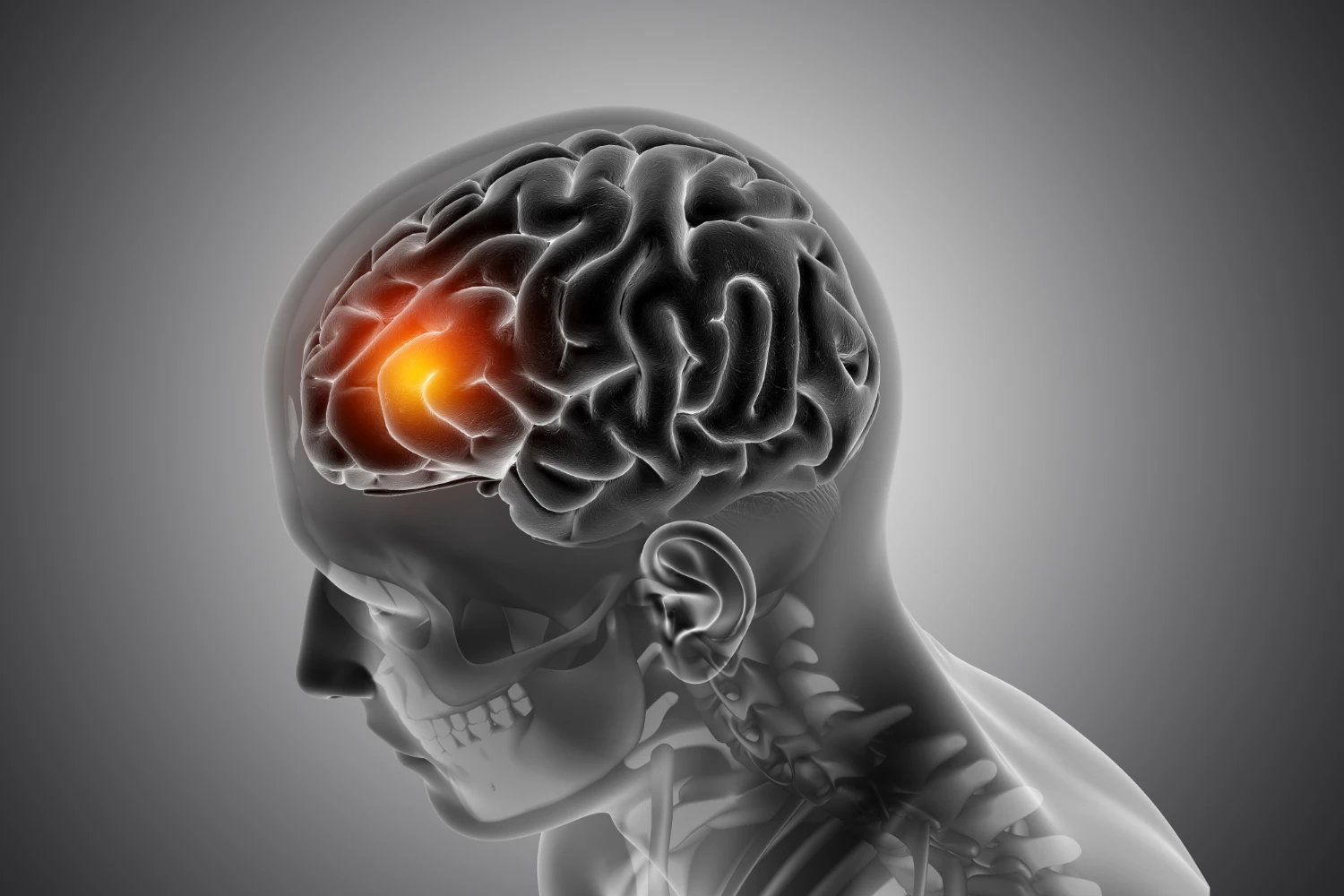
The skull is a rigid structure, and the brain sits inside it surrounded by a protective fluid. When the head experiences a sudden dynamic impact, a force that strikes and withdraws very quickly, as commonly seen in road accidents, the energy from the impact is transmitted through this fluid. This causes vibrations that affect the entire brain, not just one specific area. This global brain disturbance is what we call a concussion.
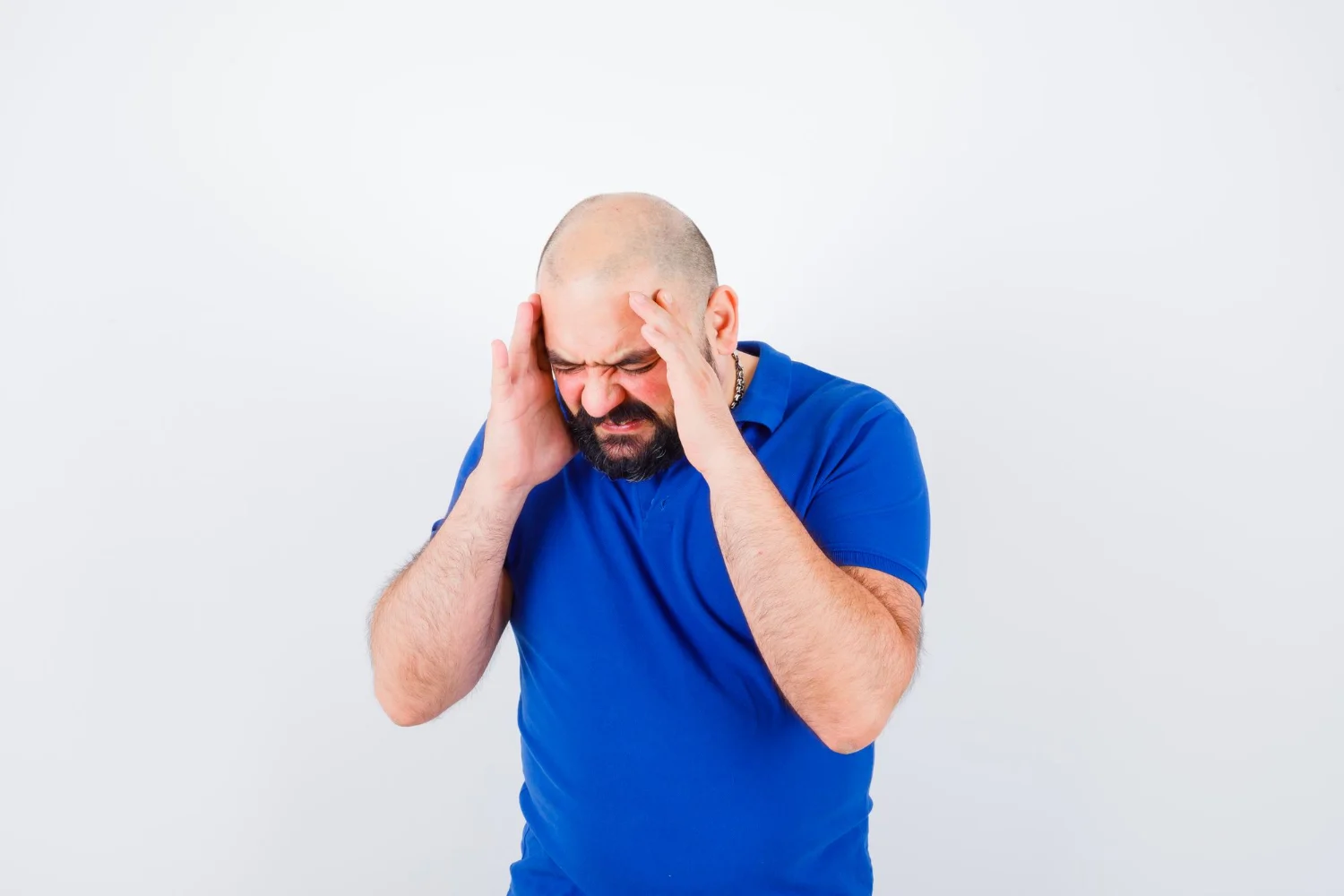
Common symptoms of concussion include difficulty remembering things, slowed movements, reduced alertness, and changes in behavior or personality. A calm person may become irritable, while an irritable person may seem unusually quiet. These changes can be unsettling, but in most cases, they are temporary. Recovery usually happens gradually over one to one and a half years.
There is an important point to understand: there is no medicine in the world that directly heals the brain faster. Recovery depends mainly on mental and physical activity. The more consistently a person engages in appropriate cognitive and physical exercises, the better and faster the recovery tends to be.
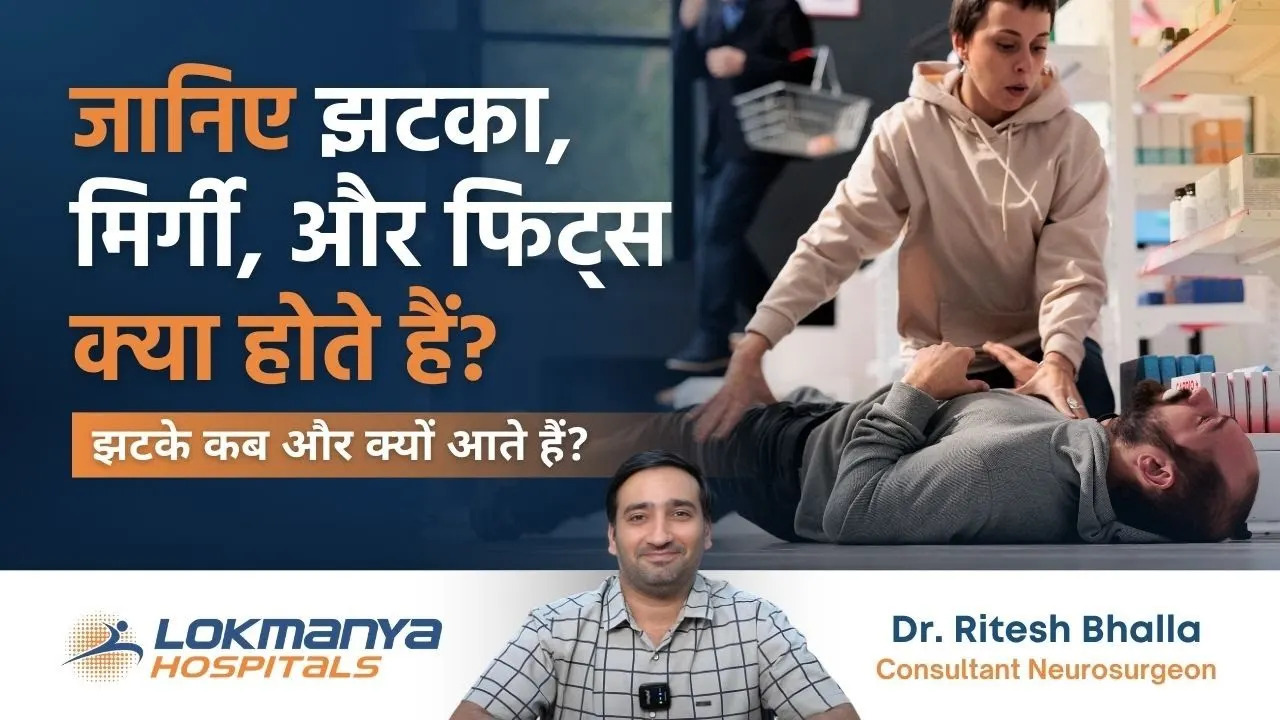
In some cases, patients are prescribed anti-seizure medication for a short period. This is not because everyone will develop seizures, but because about 3–5% of patients with such injuries may experience fits, and there is no reliable way to predict who will. These medicines are usually continued for around three months and then stopped if no seizures occur. Even if a seizure happens later, it does not mean the condition is worsening, it simply means treatment needs adjustment.
The key takeaway is simple: do not panic. With time, structured mental activity, physical exercise, and proper medical guidance, most people recover completely from concussion and return to their normal quality of life.