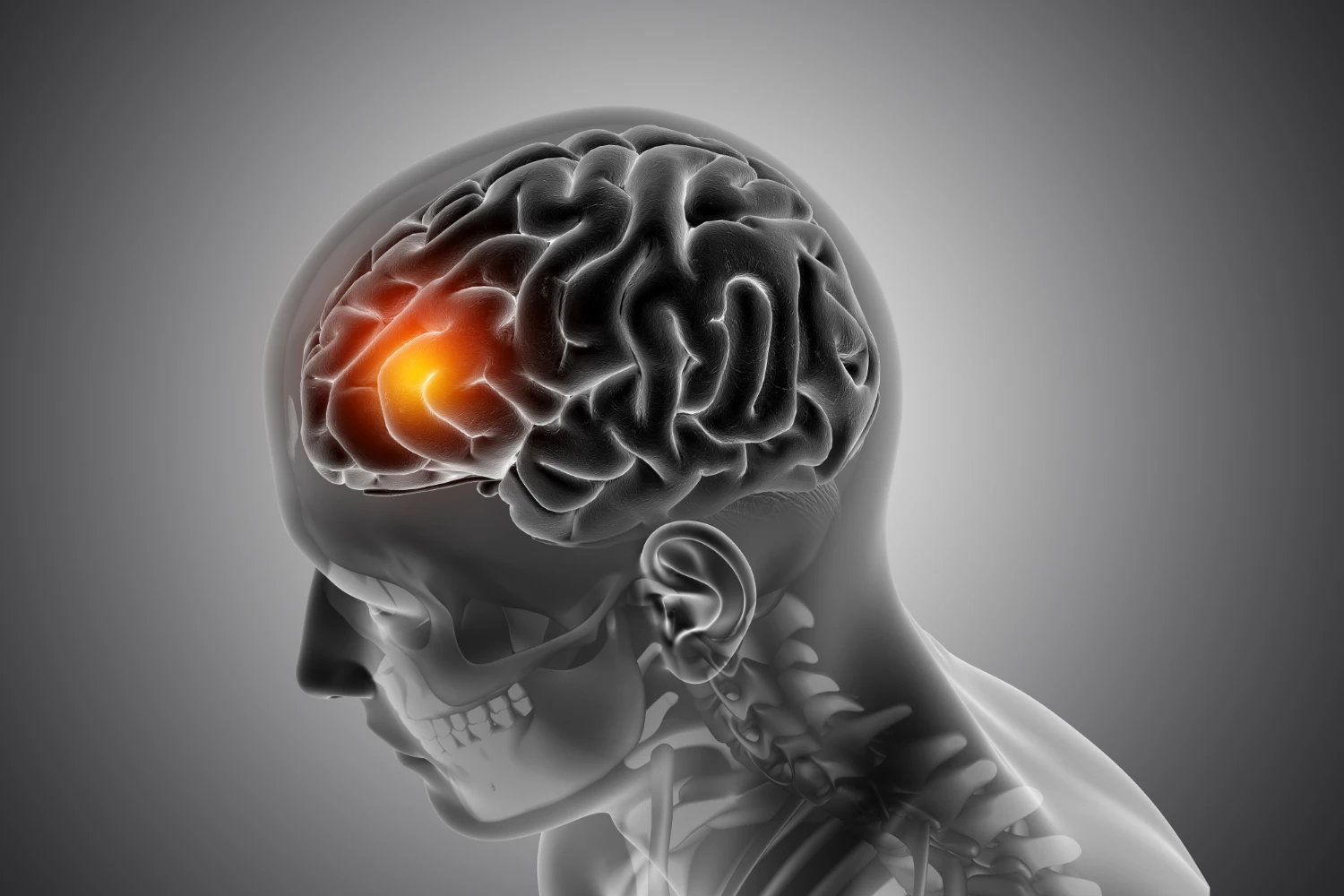
Understanding Autoimmune Encephalitis And Its Treatment
Category: Neurology
 Thu Dec 11 2025


Autoimmune encephalitis is a rare but serious neurological condition in which the body’s immune system mistakenly attacks healthy brain cells, causing inflammation. Unlike infections caused by viruses or bacteria, autoimmune encephalitis arises from internal immune dysfunction, leading to symptoms such as confusion, memory loss, seizures, behavioural changes, and sometimes movement difficulties. Early recognition of these warning signs is critical, as timely treatment can prevent severe neurological damage and improve recovery outcomes.
At Lokmanya Hospital, we provide comprehensive evaluation and treatment for autoimmune encephalitis. As a leading centre for neurology treatment in Pune, our experienced team focuses on accurate diagnosis, personalised therapy, and ongoing monitoring. We also guide families on recognising early symptoms, understanding treatment options, and managing long-term neurological care to ensure the best outcomes for patients.
What is Autoimmune Encephalitis?
Autoimmune encephalitis occurs when the immune system targets the brain, causing inflammation and disrupting normal neurological function.
- Immune system attack:- Antibodies mistakenly attack brain tissue, causing swelling and functional impairment.
- Neurological symptoms:- Confusion, memory loss, seizures, abnormal movements, and behavioural changes are common.
- Triggering factors:- In some cases, autoimmune encephalitis follows infections, cancer, or other immune system disorders.
- Diagnostic challenges:- Blood tests, cerebrospinal fluid analysis, and imaging are crucial for identifying the condition.
Early recognition is essential, as delayed treatment may result in long-term cognitive or neurological complications.
Treatment for Encephalitis
Treatment depends on the type and severity of encephalitis, with autoimmune cases requiring specific immunotherapy alongside supportive care.
- Immunotherapy:- Corticosteroids, intravenous immunoglobulin (IVIG), or plasma exchange help reduce immune attacks on the brain.
- Medication for symptoms:- Anti-seizure drugs, anti-inflammatory medications, and sometimes psychiatric medications are used to manage symptoms.
- Supportive care:- Hydration, fever control, and close monitoring of neurological functions are essential.
- Hospitalisation:- Severe cases may require ICU care to prevent complications.
- Rehabilitation:- Cognitive, physical, and occupational therapy may be necessary to restore brain function and daily living skills.
Timely treatment improves outcomes and reduces the risk of permanent neurological deficits.
Why Choose Lokmanya Hospital for Autoimmune Encephalitis Care?
At Lokmanya Hospital, our neurology specialists combine extensive experience with advanced diagnostic tools to provide accurate evaluation and targeted treatment for autoimmune encephalitis. We focus on early detection, personalised therapy, and continuous monitoring to reduce complications and support full recovery.
As a trusted neurology hospital in Pune, we also educate families about the signs of autoimmune encephalitis, preventive measures for long-term neurological health, and strategies to manage recovery at home. Our comprehensive care model ensures patients receive safe, effective treatment while families are guided every step of the way, giving confidence and peace of mind.
Conclusion
Autoimmune encephalitis is a complex neurological condition where the body’s immune system attacks the brain, leading to cognitive, behavioural, and motor impairments. Early recognition of symptoms such as confusion, memory loss, seizures, and abnormal movements is essential for timely treatment and better outcomes.
At Lokmanya Hospital, our experienced neurology team in Pune provides specialised care, including accurate diagnosis, immunotherapy, supportive management, and rehabilitation. By combining expert treatment, early intervention, and family education, we help patients recover effectively while minimising long-term neurological complications. Our holistic approach ensures optimal outcomes and ongoing neurological health.
FAQs
1. What is autoimmune encephalitis?
A rare neurological condition where the immune system mistakenly attacks the brain, causing inflammation and neurological symptoms.
2. What are the common symptoms?
Confusion, memory loss, seizures, abnormal movements, behavioural changes, and cognitive impairment.
3. How is autoimmune encephalitis diagnosed?
Through blood tests, cerebrospinal fluid analysis, MRI scans, and neurological assessments.
4. Is autoimmune encephalitis curable?
With timely immunotherapy and supportive care, most patients show significant improvement and recovery.
5. What treatments are available at Lokmanya Hospital?
Immunotherapy, symptom management, hospitalisation if necessary, and rehabilitation therapy.
6. Can delayed treatment cause complications?
Yes, untreated autoimmune encephalitis can lead to long-term cognitive and neurological deficits.
7. How long is recovery?
Recovery varies by severity but often includes several weeks of hospital care followed by rehabilitation.
8. Who is at risk?
Anyone can develop autoimmune encephalitis, though triggers may include infections, cancer, or other immune disorders.
Previous blog
 (1).webp)
What Causes ADHD in the Brain?
Next blog
.webp)