.webp)
What Are Neurological Problems?
Category: Neurology
 Thu Dec 11 2025


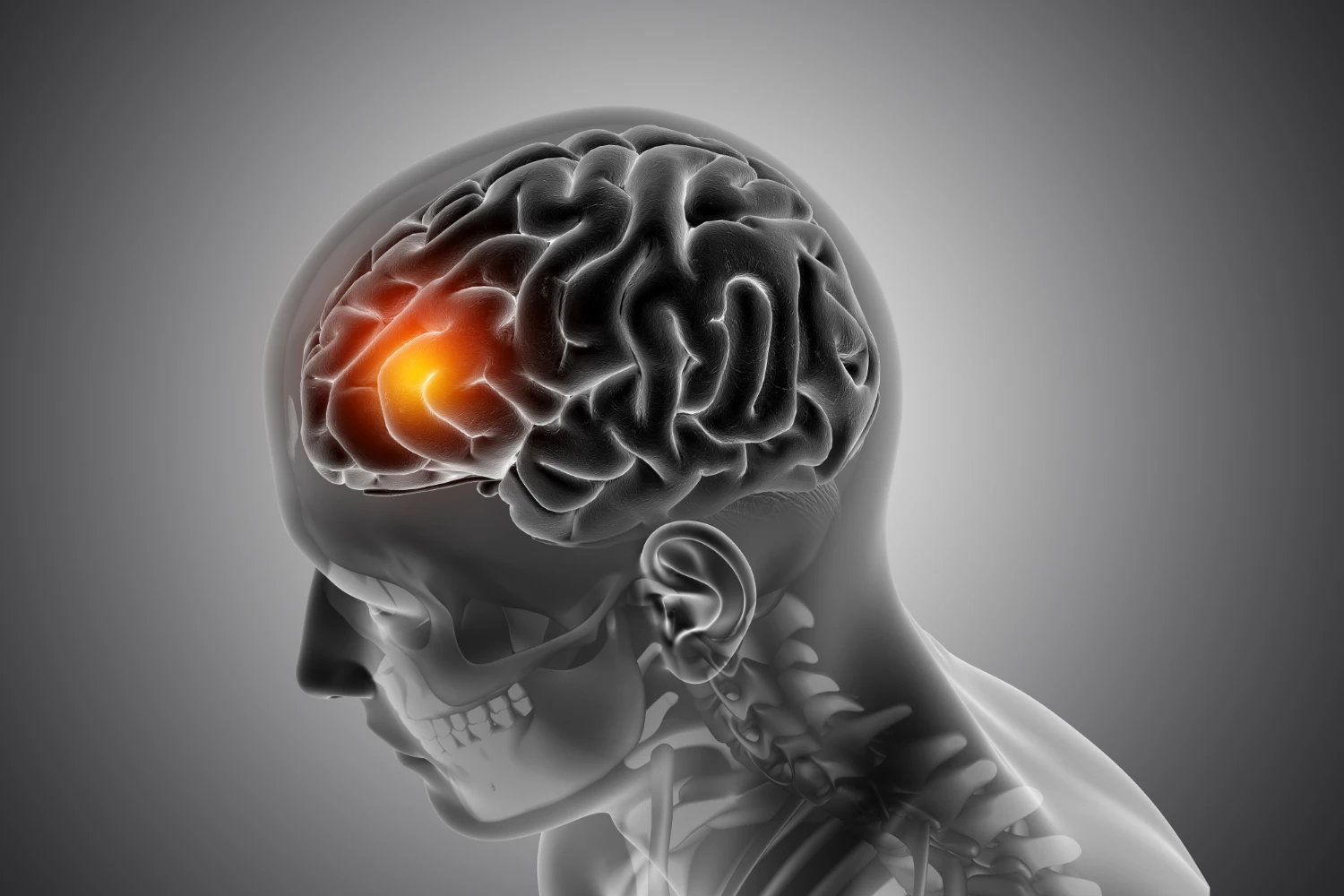
Neurological problems are conditions that affect the brain, spinal cord, and nerves. These issues can impact how we think, move, feel, and function in daily life. Symptoms may appear slowly or suddenly depending on the underlying condition, and early attention plays a major role in preventing complications.
At Lokmanya Hospital, we regularly see patients experiencing headaches, weakness, numbness, balance issues, memory problems, and other neurological symptoms. As a leading neurology hospital in Pune, we focus on identifying the exact cause so that patients receive the right treatment at the right time. Understanding neurological problems helps people recognise early warning signs and seek proper medical evaluation.
What Are Neurological Problems?
Neurological problems are conditions that affect the brain, spinal cord, or nerves, which together form the body’s communication system. These structures control movement, memory, sensations, and essential body functions, so any disturbance can lead to noticeable physical, cognitive, or behavioural changes. Such problems may arise due to injuries, infections, age-related degeneration, genetic factors, or disorders that directly impact how the nervous system works. Early evaluation helps prevent complications and supports better recovery.
Common Types of Neurological Problems
Neurological issues can range from mild conditions to those requiring long-term care. Here are some commonly seen disorders:
1. Headaches and Migraines
These are among the most widespread neurological complaints. Chronic headaches can interfere with daily life and may indicate deeper nerve-related concerns.
2. Stroke
A stroke occurs when blood supply to part of the brain is interrupted. This leads to sudden weakness, difficulty speaking, or loss of balance and requires immediate medical care.
3. Seizure Disorders
Conditions like epilepsy cause repeated seizures due to abnormal electrical activity in the brain.
4. Nerve Compression Problems
Issues such as sciatica or carpal tunnel syndrome happen when nerves are pinched or compressed.
5. Movement Disorders
These include conditions like Parkinson’s disease, which affects movement, coordination, and muscle control.
6. Memory and Cognitive Disorders
Problems like dementia impact memory, thinking, and decision-making as the brain’s functioning declines.
Symptoms That May Point to Neurological Problems
Different neurological disorders show different symptoms, but there are some common signs that should not be ignored:
- Frequent headaches:- Persistent or worsening headaches may indicate underlying nerve issues.
- Numbness or tingling:- Loss of sensation in hands or legs often reflects nerve damage.
- Weakness or imbalance:- Difficulty walking or sudden weakness may signal serious neurological concerns.
- Memory trouble:- Forgetfulness, confusion, or difficulty focusing can suggest cognitive decline.
- Seizures:- Sudden shaking or loss of awareness is a clear sign of abnormal brain activity.
If these symptoms continue, a consultation with a neurology doctor in Pune at Lokmanya Hospital is recommended for a proper evaluation.
Why Do Neurological Problems Occur?
There is no single cause for neurological issues. Some of the common triggers include:
- Age-related degeneration:- Nerves weaken naturally with age, increasing the risk of memory and movement disorders.
- Injuries:- Accidents, falls, or trauma can damage the spine or brain.
- Infections:- Certain viral or bacterial infections affect the nervous system.
- Genetic factors:- Some neurological disorders can run in families.
- Lifestyle causes:- Stress, poor sleep, and unhealthy habits may worsen nerve-related problems.
Why Choose Lokmanya Hospital for Neurological Care?
At Lokmanya Hospital, we combine clinical expertise with a patient-focused approach. Our neurologists ensure that every patient receives a detailed assessment, whether the symptoms are mild or advanced. We focus on understanding the root cause rather than just managing the symptoms.
We also use modern diagnostic tools and evidence-based treatment methods to support patients at every stage of recovery. As a trusted neurology hospital in Pune, we believe that timely guidance, proper monitoring, and structured treatment can significantly improve neurological health and overall quality of life.
Conclusion
Neurological problems can affect various parts of the brain, spinal cord, and nerves, leading to changes in movement, memory, sensation, or behaviour. Since these conditions develop differently in each person, early attention is essential. At Lokmanya Hospital, we help patients recognise symptoms, receive accurate diagnosis, and follow a treatment plan that supports long-term nerve health. Consulting a specialised neurology doctor in Pune ensures that neurological issues are managed with care, precision, and timely intervention.
FAQs
1. What are the early signs of neurological problems?
Frequent headaches, numbness, imbalance, or memory issues are some early indicators.
2. Are neurological problems permanent?
Not always. Some conditions improve with timely treatment and proper care.
3. When should I visit a neurologist?
If symptoms persist for weeks or suddenly worsen, a neurological evaluation is advised.
4. What tests are used to diagnose neurological issues?
MRI, CT scan, nerve conduction tests, and blood tests are commonly used.
5. Can lifestyle habits affect neurological health?
Yes. Poor sleep, stress, and lack of physical activity can worsen nerve function.
6. Are headaches a neurological problem?
Chronic or severe headaches can be linked to neurological conditions and require assessment.
7. Do neurological problems occur only in older people?
No. They can occur at any age depending on the cause.
8. Can neurological issues be treated completely?
Many conditions can be managed well with early diagnosis and proper treatment.
 (2) (1).webp)
.webp)