.webp)
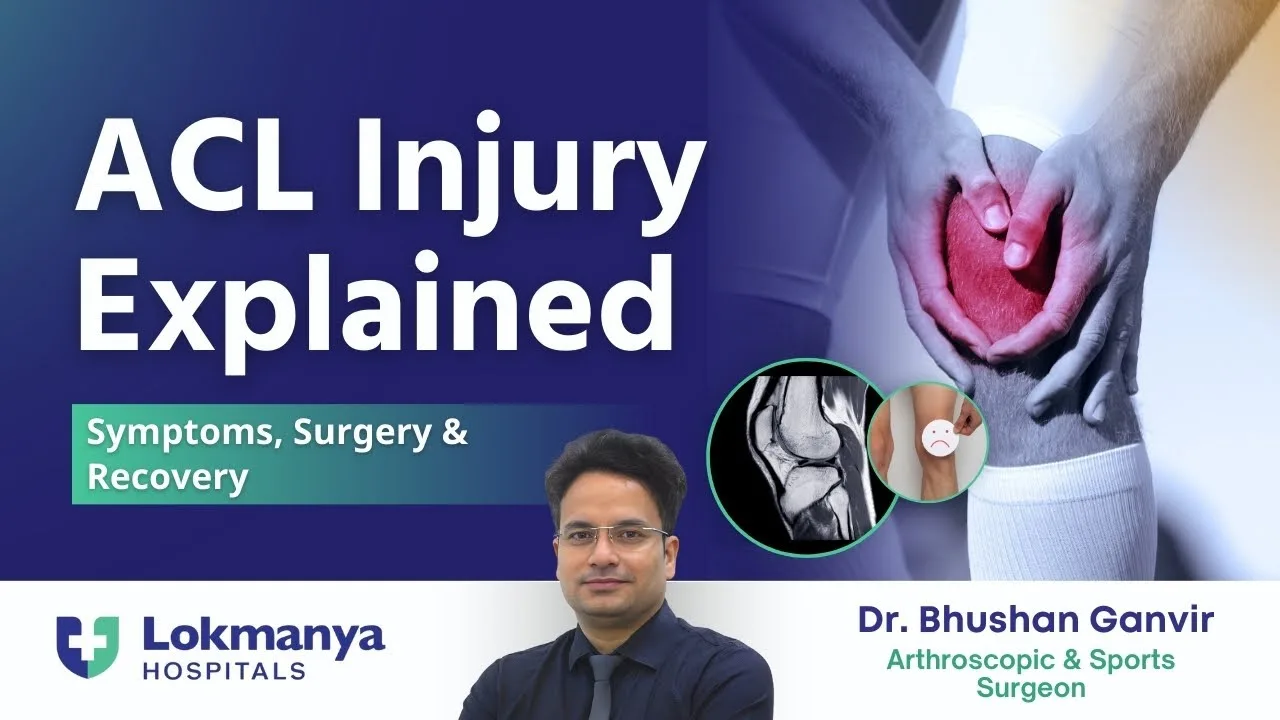
Role of a Sports Medicine Specialist in Athletes’ Performance and Recovery
Category: Orthopedics
 Mon Jan 19 2026


In competitive sports, whether it is cricket, football, or any other athletic discipline, every athlete strives to perform at their best. Alongside achieving peak performance, it is equally important to reduce the risk of injuries that can affect an athlete’s career and long-term health.
Balancing high performance with injury prevention is where the role of a sports medicine specialist becomes essential. Sports medicine focuses on helping athletes perform safely, recover effectively, and maintain both physical and mental well-being throughout their sporting journey.
Why Sports Medicine Is Essential for Athletes
Athletes constantly push their bodies to achieve strength, speed, endurance, and skill. However, this physical demand increases the risk of sports-related injuries. A sports medicine specialist works closely with athletes to ensure that:
- Performance is optimised
- Injury risk is minimised
- Recovery is timely and complete
To achieve these goals, sports medicine focuses on four key pillars.
Injury Prevention: The First and Most Important Step
Injury prevention forms the foundation of sports medicine care. A sports medicine specialist guides athletes in planning proper training schedules that help build:
- Strength
- Flexibility
- Endurance
The aim is to improve physical capacity while reducing stress on muscles, joints, and ligaments.
Equally important is technique correction. Poor technique can significantly increase the risk of injury. For example, athletes with flat feet may experience knee or ankle injuries during running, jumping, or landing. In such cases, corrective measures such as:
- Ankle braces or orthoses
- Footwear modification
- Technique education
play a vital role in preventing injuries.
Nutrition also plays a key role in injury prevention, as proper nutrition supports muscle recovery, bone health, and overall performance.
Diagnosis and Treatment of Sports Injuries
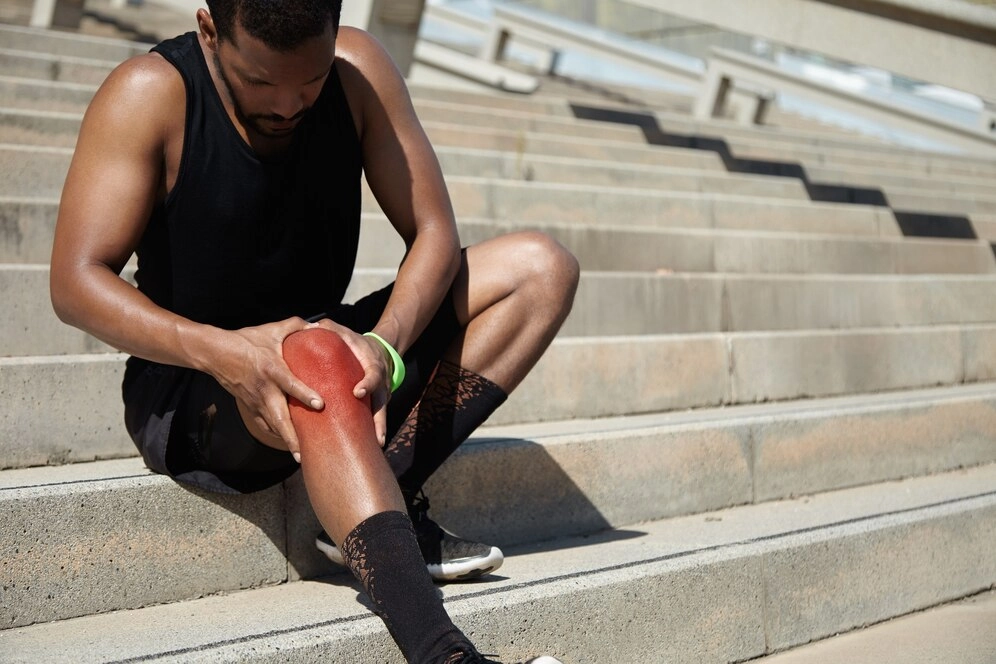
Injuries are often an unavoidable part of an athlete’s career. When injuries occur, accurate and timely diagnosis is critical.
Sports medicine specialists assess injuries through:
- Detailed clinical examination
- Imaging tests such as X-rays, CT scans, or MRI scans when required
Once the diagnosis is established, the treatment approach is decided. Depending on the injury, treatment may be:
- Conservative (non-surgical)
- Surgical
Choosing the right treatment at the right time helps prevent long-term complications and supports faster recovery.
Physiotherapy and Rehabilitation: A Critical Phase
Rehabilitation and physiotherapy are among the most important yet often neglected aspects of sports injury management.
A structured rehabilitation program helps athletes:
- Regain strength
- Restore range of motion
- Improve flexibility
- Return to sport safely
Rehabilitation is not only about physical recovery. Athletes also need guidance to rebuild confidence and trust in their body after an injury.
Psychological Readiness and Mental Well-being
Beyond physical fitness, psychological readiness plays a crucial role in an athlete’s return to sport. Fear of re-injury and loss of confidence are common after sports injuries.
Sports medicine specialists assess whether an athlete is mentally prepared to return to competition. In many cases, psychological counselling is an important part of recovery, helping athletes regain confidence and mental resilience.
Overall Health and Performance Enhancement
After addressing injury prevention, diagnosis, treatment, and rehabilitation, the final focus is on overall physical and psychological health improvement.
Sports medicine specialists work consistently with athletes to ensure:
- Safe return to sports
- Improved performance
- Reduced injury recurrence
- Long-term well-being
The goal is to help athletes feel safer, stronger, and more confident every time they step onto the field.
Conclusion
When sports medicine specialists and athletes work together, the results go beyond injury recovery. This collaboration helps athletes achieve better performance, reduce injury risk, and enjoy a healthier and more sustainable sporting career.
A well-rounded sports medicine approach ensures that athletes can compete with confidence, safety, and consistency.