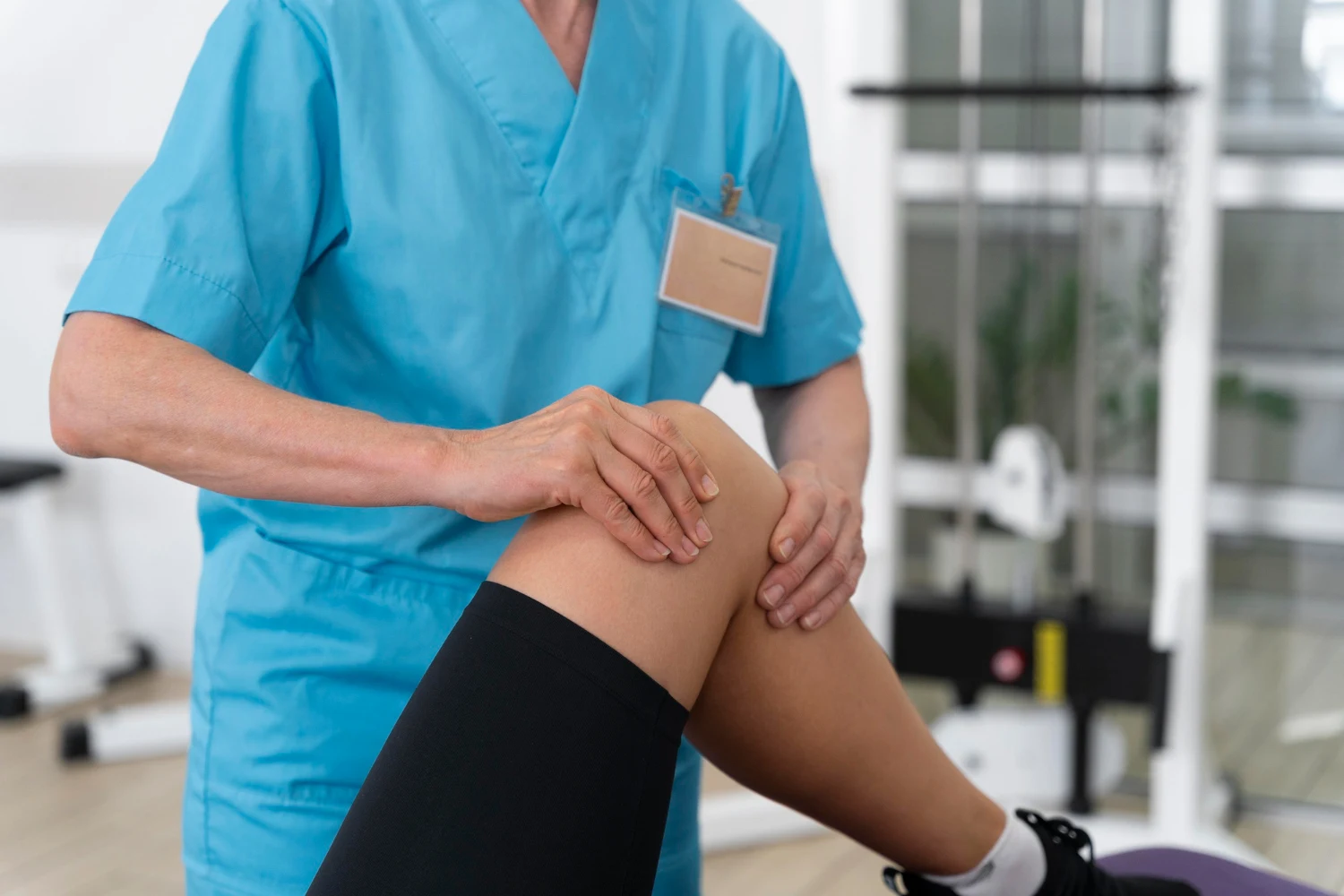
Knee Replacement Recovery: Is Pain After Surgery Normal?
Category: Orthopedics
 Tue Jan 20 2026


Many patients worry when they experience discomfort even after a successful knee replacement surgery. A common concern is pain during rest, especially at night, despite being able to walk and move comfortably during the day. Understanding why this happens can ease anxiety and help patients recover with confidence.
What Happens After Knee Replacement Surgery?
When both knees are replaced, the body undergoes a major structural change. For years, the knee joints and surrounding muscles may have been misaligned due to arthritis. During surgery, the joints are corrected and aligned properly.
Because of this correction:
- Muscles that were used to a tilted or uneven position are suddenly stretched
- Muscle strengthening continues for several months
- Mild discomfort, especially at night, is common during early recovery
This phase is part of the normal healing process.
Walking and Daily Movement Matter
If a patient is:
- Walking comfortably
- Increasing daily activity
- Able to move the knees fully
these are strong signs that recovery is progressing well. If there were serious issues with the joint, normal walking would not be possible.
Regular movement helps muscles adapt to the new joint alignment and gradually reduces pain.
Why Exercise Should Not Be Stopped
After knee replacement surgery, exercise should not be discontinued for at least six months.
Exercise helps by:
- Improving muscle strength
- Reducing stiffness and pain
- Supporting long-term joint stability
Physiotherapy should ideally be continued for at least one month, followed by guided home exercises.
What Does the X-ray Show?
When postoperative X-rays show:
- Proper joint alignment
- No loosening or joint-related issues
it confirms that the artificial knee joint s functioning well. In such cases, residual pain is usually muscular rather than joint-related.
Role of Medications and Supplements
Short-term medications may be prescribed to:
- Reduce mild pain
- Support bone health
These are usually supportive supplements and not long-term painkillers.
Long-Term Recovery and Follow-Up
- All daily activities can be continued
- Walking and physical activity should be maintained regularly
- No activity restrictions are needed once recovery progresses
A routine follow-up after one year is usually sufficient unless new symptoms arise.
Key Takeaway
Mild pain during rest or at night after knee replacement surgery is common and usually temporary. Consistent exercise, regular movement, and patience are key to a smooth and successful recovery.