What Happens If You Get an Infection After Knee Replacement?
Category: Orthopedics
 Fri Apr 24 2026


If you develop an infection after a knee replacement, you will typically experience sudden pain, swelling, and warmth around the joint, requiring prompt medical intervention such as targeted antibiotics or a surgical washout to protect the implant and ensure complete healing.
While joint replacement is largely safe, understanding how to spot and treat an infection is vital for your long-term mobility.
Recovering from joint surgery should be a smooth and predictable journey. However, as a top knee replacement hospital in Chinchwad,Pune, we always educate our patients on the rare but serious possibility of post-operative infections.
Knowing what to expect allows you to seek help early and get back on your feet without unnecessary complications.
Key Takeaways
- Watch for early signs: Sudden warmth, worsening pain, and wound drainage are primary indicators of a developing infection.
- Act quickly: Immediate medical evaluation significantly increases the chances of saving the original implant.
- Treatment varies: Solutions range from simple oral antibiotics for surface issues to revision surgery for deep infections.
- Prevention is possible: Proper wound care and managing underlying conditions like diabetes drastically lower your risk.
Why do infections occur after a knee replacement?
Your immune system is incredibly efficient at fighting off everyday bacteria. However, artificial knee implants are made of metal and medical-grade plastic, which do not receive a natural blood supply.
Because of this lack of blood flow, your white blood cells struggle to reach and destroy bacteria that settle on the artificial joint.
Bacteria can enter your body through the surgical incision, during dental procedures, or from other unrelated infections in your bloodstream.
Certain health factors can also make you more susceptible to developing an issue. Patients with uncontrolled diabetes, immune deficiencies, or a history of smoking face a slightly higher risk of post-surgical complications.
What are the early signs of a knee surgery infection?
Spotting an infection early is the most critical factor in successful treatment. A normal recovery involves mild swelling and manageable discomfort, but an infection feels noticeably different and often worsens rapidly.
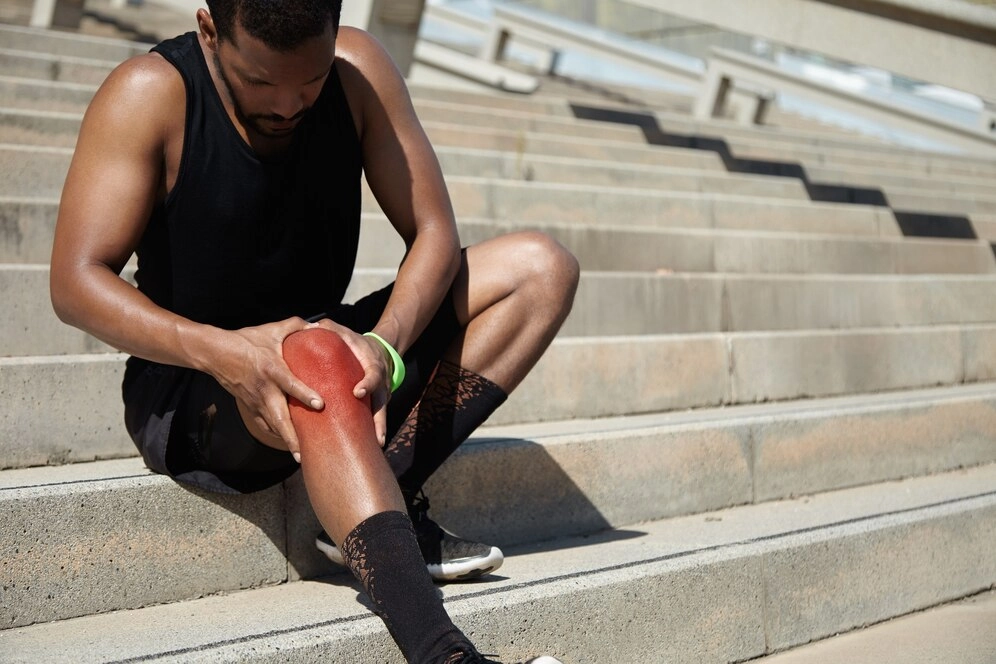
You should contact your medical team immediately if you notice excessive redness, heat radiating from the knee, or a sudden spike in pain.
Fever, chills, and night sweats are also strong indicators that your body is fighting off bacteria.
Additionally, pay close attention to your surgical wound. If it begins to open, drain cloudy fluid, or emit a foul odour, you require urgent medical evaluation.
If you suspect something is wrong with your healing joint, do not wait. Consulting a knee surgery infection specialist Pimpari chinchwad ensures you receive an accurate diagnosis and immediate care.
At Lokmanya Hospitals, our dedicated orthopaedic team is ready to evaluate your symptoms and provide an effective treatment plan. Book your consultation with Lokmanya Hospitals today to safeguard your joint health.
How do doctors diagnose an infected knee implant?
When you present with symptoms of an infection, we use a combination of advanced imaging and laboratory tests to confirm the diagnosis.
Blood tests, specifically checking your C-reactive protein (CRP) and erythrocyte sedimentation rate (ESR), help us measure the level of inflammation in your body.
If these blood markers are elevated, we will gently draw fluid from your knee joint using a sterile needle. This synovial fluid is then analysed in our laboratory to identify the exact type of bacteria causing the problem.
We may also perform X-rays or bone scans to check if the implant has loosened from the bone.
This comprehensive diagnostic approach ensures we choose the exact knee replacement infection treatment required for your specific condition.
What is the best knee replacement infection treatment?
The treatment for an infected knee implant depends entirely on how deep the bacteria have travelled and how long the infection has been present.
Below is a simple comparison to help you understand the two main categories of joint infections and their respective treatments:
Infection Type | Location of Bacteria | Typical Treatment Approach |
| Superficial Infection | Limited to the skin and tissue near the incision | Oral or intravenous (IV) antibiotics, careful wound monitoring. |
| Deep Infection | Reaches the metal and plastic implant components | Surgical washout (debridement), antibiotic spacers, or a two-stage revision surgery. |
For deep infections caught within the first few days, we can often perform a surgical washout. During this procedure, we clean the joint thoroughly, replace the plastic liner, and prescribe strong IV antibiotics.
If the infection has been present for months, a two-stage exchange arthroplasty is usually the most effective solution.
This involves temporarily removing the implant, placing an antibiotic-loaded cement spacer to clear the infection, and eventually implanting a brand-new artificial knee once your body has healed.
How can you prevent an infection during your recovery?
Preventing an infection begins long before you even enter the operating theatre. Maintaining a healthy weight, optimising your nutrition, and strictly controlling your blood sugar levels give your body the best foundation for healing.
After surgery, keeping your incision site clean and dry is paramount. Follow your care team's instructions regarding showering and dressing changes to the letter.
Furthermore, always inform your dentist and other doctors that you have an artificial joint. You may need to take prophylactic antibiotics before routine dental cleanings or minor surgical procedures to stop bacteria from entering your bloodstream.
Managing your overall health is also critical. For instance, following a proper Diet Plan After Knee Replacement Surgery supports your immune system during recovery. If you are still exploring surgical choices, you can learn more about the Best Knee Replacement Options available at our facility.
Choosing the right facility for your revision or complication management is crucial. As a dedicated knee replacement infection treatment Hospital in Chinchwad, we utilise strict sterile protocols and advanced surgical techniques to give you the safest possible outcome.
Conclusion
An infection after knee replacement can be a daunting prospect, but it is highly treatable when caught early.
By staying vigilant about your symptoms, communicating openly with your clinical team, and following preventive care guidelines, you can protect your new joint.
Whether you need simple antibiotics or complex revision surgery, our compassionate team at Lokmanya Hospitals is here to support your complete recovery and return you to a pain-free, active life.
Frequently Asked Questions (FAQs)
1. How common are infections after a total knee replacement?
Infections are relatively rare, occurring in only about 1% to 2% of primary knee replacement surgeries. Strict hospital protocols and preventative antibiotics make it a highly safe procedure.
2. Can a tooth infection spread to my artificial knee?
Yes, bacteria from a dental infection or a deep cut can travel through your bloodstream and settle on your artificial joint. This is why good oral hygiene and prompt treatment of any bodily infection are essential.
3. Will I lose my artificial knee if it gets infected?
Not necessarily. If a deep infection is diagnosed very early, surgeons can often clean the joint and save the original implant. Late-stage infections, however, usually require the implant to be temporarily replaced with an antibiotic spacer.
4. How long does treatment for a deep joint infection take?
Treating a deep infection is a multi-step process that can take several months. It generally involves weeks of intravenous antibiotics followed by a rehabilitation period before a new joint can be safely implanted.
5. Is it normal for my knee to be slightly warm after surgery?
Mild warmth and swelling are normal parts of the healing process for the first few months. However, if the knee becomes suddenly hot to the touch, bright red, or increasingly painful, you should contact your doctor immediately.
Previous blog