Diet Plan After Knee Replacement Surgery
Category: Spine
 Wed Apr 22 2026


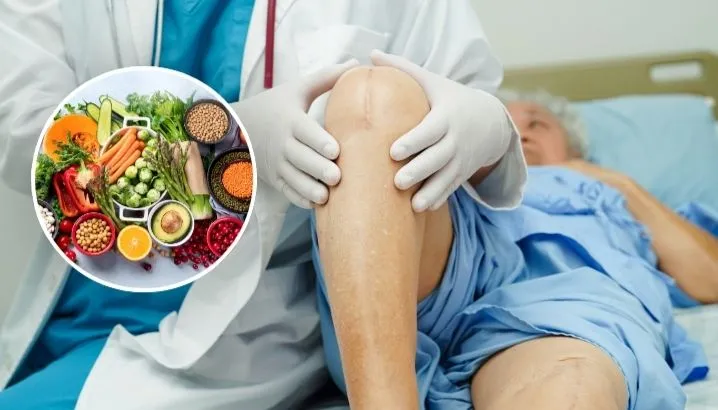
A proper diet plan after knee replacement surgery involves eating high-quality proteins, vitamin-rich fruits, anti-inflammatory omega-3s, and fibre-dense whole grains to speed up tissue repair and reduce swelling.
Choosing the right foods directly impacts how quickly and comfortably your joint heals.
Recovering from joint surgery requires more than just rest and physiotherapy. Following a dedicated knee replacement recovery diet ensures your body gets the exact nutrients it needs to rebuild bone and muscle.
We guide our patients to make simple dietary shifts that make a massive difference in healing times.
Key Takeaways
- Prioritise protein: Lean meats, lentils, and dairy rebuild damaged muscle and tissue.
- Boost vitamins: Vitamin C and Calcium are vital for collagen production and bone strength.
- Fibre is essential: Whole grains and vegetables prevent constipation caused by medications.
- Avoid inflammatory foods: Processed meals, excess sugar, and alcohol can slow down healing.
What should I eat immediately after my knee replacement surgery?
In the first few hours following your operation, your digestive system needs time to wake up. We recommend starting with clear fluids to keep you hydrated without upsetting your stomach.
Water, apple juice, coconut water, and light broths are excellent choices. Once your medical team confirms your digestive system is functioning normally, you can slowly transition to easily digestible solid foods.
Avoid heavy, fatty, or fried foods during these initial days. These can trigger nausea and make you feel sluggish when your body needs energy to heal.
How can protein-rich foods help speed up my healing process?
Protein serves as the primary building block for your muscles and soft tissues. After surgery, your body requires extra protein to repair the incision site and strengthen the muscles supporting your new knee.
We suggest aiming for roughly one gram of protein per kilogram of body weight. Excellent sources include chicken, fish, eggs, cottage cheese, lentils, and beans.
Incorporating a portion of protein into every meal ensures your body has a steady supply of the materials it needs to recover. A simple bowl of yoghurt or a handful of nuts also makes for a perfect protein-rich snack.
Which vitamins and minerals are essential for joint recovery?
Vitamins play a silent but crucial role in your post-operative recovery. Vitamin C is essential for producing collagen, which helps repair tendons and ligaments. You can find it in oranges, berries, and bell peppers.
Calcium and Vitamin D work together to strengthen your bones around the new implant. Fortified milk, leafy greens, and safe sun exposure help maintain these levels.
Finally, do not overlook zinc. Found in seeds, nuts, and whole grains, zinc significantly improves wound healing and supports your immune system against infections.
What foods can naturally reduce swelling and inflammation?
Swelling is a normal part of the healing process, but certain foods can help keep it under control naturally. Foods rich in omega-3 fatty acids possess strong anti-inflammatory properties that reduce joint pain.
Try adding fatty fish like salmon or tuna to your weekly meals. If you prefer plant-based options, chia seeds, flaxseeds, and walnuts are fantastic alternatives.
Cooking with healthy fats like olive oil and adding anti-inflammatory spices like turmeric and ginger can further support your recovery.
If you are looking for expert guidance and complete post-operative care, choosing an Advanced surgery Hospital in Pune is vital for your long-term mobility. At Lokmanya Hospitals, our specialised teams provide tailored rehabilitation and nutrition plans to get you back on your feet quickly. Book your consultation with Lokmanya Hospitals today directly from your mobile to schedule an appointment with our specialists.
How can I prevent constipation while taking pain medications?
Pain relief medications are often necessary after knee surgery, but they frequently cause constipation. Limited physical mobility during your early recovery phase can also slow down your digestion.
To counter this, increase your daily fibre intake by eating plenty of whole grains like oats, brown rice, and quinoa. Fresh fruits such as apples, pears, and bananas are also excellent choices.
Remember to increase your fibre intake gradually to avoid bloating. Pairing high-fibre foods with plenty of fluids ensures your digestive system keeps moving smoothly.
Are there any specific foods I should avoid during my recovery?
Just as some foods promote healing, others can actively hinder your progress. Processed foods and fast food are often packed with sodium, which increases fluid retention and joint swelling.
Sugary snacks and beverages can spike your blood sugar levels and trigger inflammation, delaying the healing process. Alcohol should be completely avoided as it dehydrates the body and can dangerously interact with your prescribed pain medications.
If you are taking blood-thinning medications, consult your doctor about your Vitamin K intake. Foods like spinach and kale might need to be carefully monitored during this time.
How should I plan my daily meals for the best results?
Your body requires a consistent flow of energy to heal, but large meals can sometimes leave you feeling letharged. Eating smaller, more frequent meals throughout the day helps maintain steady energy levels.
Ensure each mini-meal contains a balance of protein, complex carbohydrates, and healthy fats. For example, a mid-morning snack could be a slice of whole-grain toast with avocado.
Preparing meals in advance or asking family members for help takes the stress out of cooking, allowing you to focus entirely on your physical therapy and rest.
Why is staying hydrated so crucial after knee surgery?
Proper hydration is easily overlooked, but it is one of the most important aspects of your recovery. Water helps flush residual anaesthesia and medications out of your system.
Fluids also transport vital nutrients to your healing knee and keep your joints naturally lubricated. Aim to drink several glasses of water throughout the day.
If you struggle to drink plain water, hydrating foods like cucumbers, watermelon, and clear soups contribute significantly to your daily fluid goals.
How can our hospital support your post-surgery nutrition?
Comprehensive care extends far beyond the operating theatre. As a leading Knee Replacement Hospital in Chinchwad,Pune we ensure every patient receives dedicated nutritional guidance alongside their physical rehabilitation.
Our team understands that every patient has unique dietary preferences and medical requirements. We work closely with you to design a diet plan that is easy to follow and highly effective for healing.
From your first consultation to your final follow-up, we are here to support every step of your journey towards a pain-free, active life.
Conclusion
Your diet is a powerful tool in your recovery toolkit. By focusing on nutrient-dense, anti-inflammatory, and protein-rich foods, you give your body the best possible chance to heal quickly and strongly after knee replacement surgery.
Remember to stay hydrated, eat consistently, and avoid foods that slow you down. We encourage you to follow these guidelines closely and reach out to our team at Lokmanya Hospitals whenever you need support.
Frequently Asked Questions (FAQs)
1. What is the best diet for knee replacement recovery?
The best diet focuses on lean proteins, fibre-rich whole grains, colourful fruits and vegetables, and healthy fats. This combination reduces inflammation, aids tissue repair, and supports overall energy levels.
2. Can I eat spicy food after knee surgery?
While spicy foods do not directly harm your knee, they can irritate your stomach, especially when you are taking strong pain medications or antibiotics. It is best to stick to mild, easily digestible foods in the early days of recovery.
3. How long should I follow a special diet post-surgery?
You should maintain a nutrient-rich, healing-focused diet for at least 6 to 12 weeks post-surgery. However, adopting these healthy eating habits long-term will help protect your overall joint health and manage your weight.
4. Are nutritional supplements strictly necessary for recovery?
Most patients can get all necessary nutrients from a well-balanced diet. However, if you have a poor appetite or specific deficiencies, your doctor may recommend Vitamin C, Vitamin D, or iron supplements. Always consult your medical team before starting any supplements.
5. What should I do if I lose my appetite after the operation?
A temporary loss of appetite is very common due to medications and reduced activity. Focus on drinking nutrient-rich fluids like smoothies, protein shakes, or broths, and try to eat very small, protein-dense snacks every few hours until your appetite returns.
Previous blog