How to Clean a Teeth Cavity?
Category: Blogs
 Fri Nov 28 2025


Tooth cavities are a common dental issue that occur when plaque, bacteria, and food acids gradually break down the enamel. Many people notice cavities only when they experience pain, sensitivity, or visible holes in the teeth. Early care and proper hygiene play an important role in preventing cavities from worsening. Understanding how cavities form and how they can be cleaned or treated helps maintain strong and healthy teeth.
At Lokmanya Hospital, individuals looking for professional dental treatment in Pune receive personalised guidance and support for cavity prevention and management. With a team of skilled specialists and modern dental equipment, we ensure that cavities are diagnosed, cleaned, and treated in a safe and effective manner. Anyone searching for care from an experienced dental doctor in Pune can expect a clear treatment plan and preventive advice at Lokmanya Hospital.
What Causes Teeth Cavities?
Cavities develop over time and may go unnoticed in the early stages. Identifying the causes helps in preventing further damage and protecting the tooth structure.
Common Reasons Cavities Occur
- Poor Oral Hygiene:– Not brushing and flossing regularly leads to plaque and bacteria buildup that slowly weakens tooth enamel.
- Sugary and Acidic Foods:– Frequent consumption of sweets, sodas, and refined carbohydrates increases acid production that damages enamel.
- Lack of Fluoride:– Fluoride strengthens the enamel, so insufficient exposure can make teeth more prone to decay.
- Dry Mouth:– Reduced saliva production allows bacteria to grow faster and increases the risk of cavities.
- Genetics or Medical Conditions:– Some individuals may be more prone to cavities due to dental structure, habits, or health conditions.
How to Clean and Treat a Teeth Cavity
Once a cavity has formed, it requires proper intervention. Daily care helps slow progression, but professional treatment is essential to fully clean and restore the tooth.
Daily Dental Care for Mild Cavities
Maintaining good oral hygiene helps protect teeth and may stop early-stage decay from worsening.
- Brush Twice Daily:– Use fluoride toothpaste to strengthen enamel and remove plaque formation.
- Floss to Remove Food Deposits:– Flossing helps clean between the teeth where brushing cannot reach, preventing bacteria buildup.
- Use Mouthwash:– Mouthwash reduces harmful bacteria, freshens breath, and supports better gum and tooth health.
Professional Cavity Cleaning and Treatment
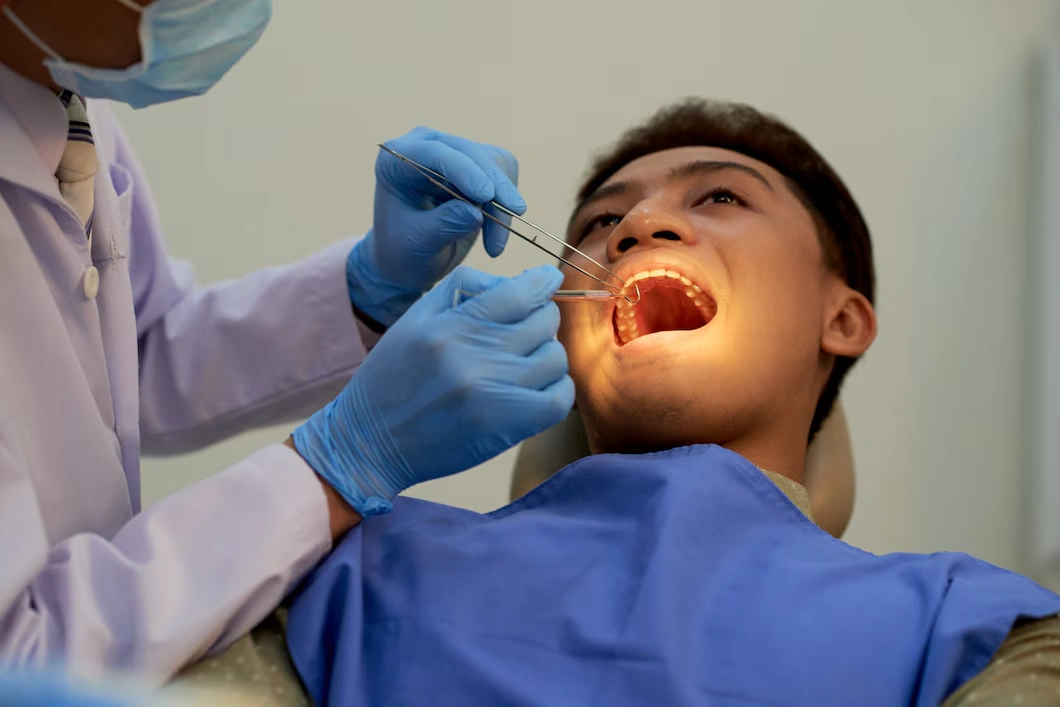
If a cavity has developed, professional support is necessary. A visit to a dental hospital in Pune like Lokmanya Hospital ensures the cavity is assessed and treated appropriately.
Common Dental Treatment Options for Cavities
- Dental Fillings:– The decayed portion of the tooth is removed and filled to restore strength and structure.
- Root Canal Treatment:– If the decay reaches the inner nerve, a root canal helps save the tooth and remove infection.
- Crowns:– If the cavity is large, a protective crown may be placed to preserve the tooth.
How to Prevent Future Cavities
Good habits and preventive care help reduce future dental problems and maintain a healthy smile.
- Reduce Sugary Foods and Drinks:– Limiting sweets, sticky snacks, and fizzy beverages lowers the risk of enamel erosion and decay.
- Regular Dental Visits:– Routine check-ups help detect early signs of cavities and allow timely treatment.
- Stay Hydrated:– Drinking water supports saliva production, which naturally protects teeth from bacteria and acids.
Why Choose Lokmanya Hospital for Cavity Treatment?
Choosing the right care provider ensures effective treatment and long-term dental health. Lokmanya Hospital offers personalised plans for individuals seeking reliable dental treatment in Pune, ensuring that cavities are cleaned and treated safely. Our approach focuses on early diagnosis, comfortable procedures, and preventive guidance to reduce future dental issues.
As a trusted dental hospital in Pune, Lokmanya Hospital provides skilled expertise, patient comfort, and modern treatment options. With access to experienced dental specialists, patients receive clear guidance and care from an expert dental doctor in Pune, ensuring healthy teeth and improved oral hygiene outcomes.
Conclusion
A teeth cavity may start small, but without proper care, it can progress and affect the overall health of the tooth. Daily oral hygiene, reducing sugary foods, and regular dental check-ups are essential to prevent cavities from developing or worsening. Professional treatment helps remove decay, restore function, and maintain dental health.
For individuals looking for effective and safe cavity management, Lokmanya Hospital offers expert guidance and advanced support for dental treatment in Pune. With modern treatment facilities, personalised care, and an experienced dental doctor in Pune, patients can feel confident about their dental care journey. Healthy habits, timely treatment, and regular monitoring can help maintain strong and clean teeth for years to come.
FAQs
1. Can a cavity heal on its own?
No, once a cavity forms, it cannot heal naturally. Professional treatment is required to stop decay and repair the affected tooth.
2. How do I know if I have a cavity?
Early signs may include sensitivity, mild pain, or visible holes. Regular dental check-ups help detect cavities even before symptoms appear.
3. Is cavity cleaning painful?
Most cavity cleaning procedures are comfortable and performed under proper dental care. Mild discomfort, if any, is temporary and manageable.
4. Can brushing remove a cavity?
Brushing can prevent cavities from forming, but once decay has started, professional treatment is needed to clean and restore the tooth.
5. How long does cavity treatment take?
A basic filling usually takes a short appointment, while more advanced treatment like root canals may require multiple visits depending on severity.
6. Do children get cavities more often?
Yes, children are more prone to cavities, especially if they consume sugary snacks or avoid proper brushing and flossing habits.
7. Is fluoride useful for cavities?
Yes, fluoride strengthens enamel and helps protect teeth from acid attacks, reducing the risk of decay.
8. How often should I visit a dentist to prevent cavities?
Most people benefit from a dental visit every six months, but those with higher cavity risk may need more frequent monitoring.
Previous blog

Top 5 Ways To Speed Up Bone Healing After Fracture
Next blog