Can Amblyopia Be Corrected?
Category: Blogs
 Mon Dec 01 2025


Amblyopia, often referred to as “lazy eye,” is one of the most common causes of vision problems in children. It occurs when one eye fails to develop normal visual acuity, usually due to poor coordination between the eye and the brain. Over time, the brain begins to favor the stronger eye, further weakening the other.
At Lokmanya Hospital, we offer specialized ophthalmology treatment in Pune for amblyopia across all age groups. While early childhood is the ideal time for intervention, recent advances in vision therapy and neuroplasticity research have shown that even adults can benefit from targeted treatment. Our goal is to help patients regain functional vision and improve binocular coordination through evidence-based care.
What Causes Amblyopia?
Amblyopia develops when the brain suppresses input from one eye to avoid confusion or double vision. This suppression can be triggered by several underlying conditions that interfere with normal visual development.
Common Causes of Amblyopia
- Strabismus (Eye Misalignment): The most frequent cause, where one eye turns inward or outward, leading the brain to ignore its input.
- Refractive Errors: Significant differences in prescription between the two eyes (anisometropia) can cause the brain to favor the clearer image.
- Visual Obstruction: Cataracts, drooping eyelids (ptosis), or corneal scars can block vision in one eye during early development.
- Premature Birth or Developmental Delays: These factors can increase the risk of amblyopia in infancy.
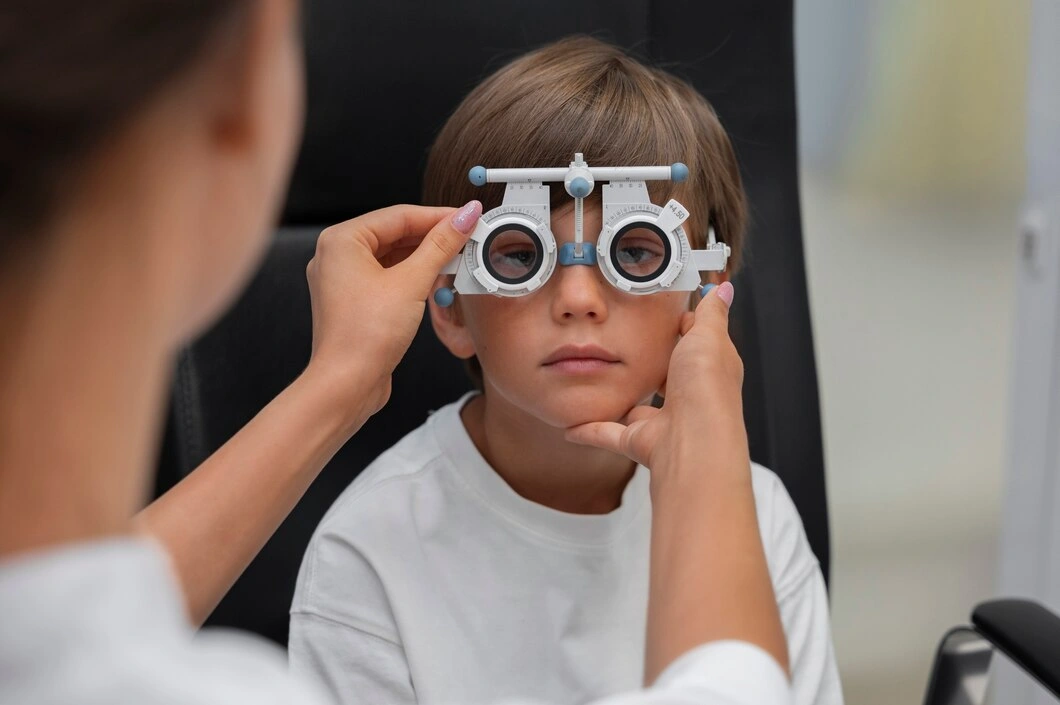
At Lokmanya Hospital, we perform detailed pediatric and adult eye exams to identify the root cause and tailor treatment accordingly.
Is Amblyopia Treatable in Children and Adults?
Yes—amblyopia is highly treatable, especially when diagnosed early. In children under the age of 7, the brain is still developing, making it more responsive to visual correction. However, recent studies show that adults can also benefit from amblyopia treatment, thanks to the brain’s lifelong capacity for neuroplasticity.
Treatment Options We Offer
- Corrective Eyewear: Glasses or contact lenses to address refractive errors.
- Patching Therapy: Covering the stronger eye to stimulate the weaker one.
- Atropine Drops: Temporarily blurs vision in the dominant eye to encourage use of the amblyopic eye.
- Vision Therapy: Structured exercises to improve eye coordination and visual processing.
- Binocular Training: Modern approaches using digital tools or VR to train both eyes to work together.
Our ophthalmology specialists in Pune design age-appropriate treatment plans that balance effectiveness with comfort and compliance.
How Long Does Treatment Take?
The duration of amblyopia treatment varies depending on the patient’s age, severity of the condition, and consistency with therapy. In children, noticeable improvements can occur within weeks to months. Adults may require longer therapy, but many experience measurable gains in visual acuity and depth perception.
At Lokmanya Hospital, we monitor progress closely through regular follow-ups and adjust treatment as needed. Our goal is not just to improve vision in the weaker eye, but to restore binocular function and long-term visual stability.
Why Choose Lokmanya Hospital for Amblyopia Treatment
As a leading ophthalmology hospital in Pune, Lokmanya Hospital combines clinical expertise with compassionate care. Our pediatric and adult eye care teams are trained in the latest amblyopia therapies, including digital vision training and customized patching protocols.
We believe in early intervention, but we also support adults who may have been told their condition was untreatable. With access to advanced diagnostics and a multidisciplinary team, we help patients of all ages regain confidence in their vision.
Conclusion
At Lokmanya Hospital, we want patients and families to know that amblyopia can be corrected—and it’s never too late to seek help. Whether you’re a parent concerned about your child’s eye alignment or an adult living with reduced vision in one eye, our team is here to guide you through every step of diagnosis and treatment.
Our comprehensive ophthalmology treatment in Pune is designed to restore visual balance, improve eye coordination, and support lifelong eye health. With the right care, amblyopia doesn’t have to limit your vision—or your potential.
FAQs
1. Can amblyopia be corrected in adults?
Yes, modern therapies can improve vision in motivated adults through neuroplasticity-based approaches.
2. What is the best age to treat amblyopia?
Before age 7 is ideal, but treatment can still be effective in teens and adults.
3. How long does patching therapy take?
It varies, but many children show improvement within 6–12 weeks of consistent use.
4. Is amblyopia the same as strabismus?
No, but strabismus is a common cause of amblyopia. Both conditions can occur together.
5. Does Lokmanya Hospital offer vision therapy?
Yes, we provide structured vision therapy and binocular training for children and adults.
6. Can amblyopia return after treatment?
Relapse is possible, especially in children. Regular follow-ups help maintain progress.
7. Is surgery needed for amblyopia?
Not usually. Surgery may be needed for underlying causes like strabismus or cataracts.
8. How do I know if my child has amblyopia?
Look for signs like squinting, poor depth perception, or favoring one eye. We recommend early screening.
Previous blog
What Are the Early Signs of Glaucoma?
Next blog