What Are the Early Signs of Glaucoma?
Category: Blogs
 Fri Nov 28 2025


Glaucoma is one of the leading causes of irreversible vision loss, yet many people remain unaware of its early signs because the disease progresses quietly. It begins by subtly affecting your field of vision, and these changes often go unnoticed in the initial stages. Recognising early symptoms is essential to prevent long-term complications. At Lokmanya Hospitals, patients receive timely screenings and preventive guidance as part of their specialised ophthalmology treatment in Pune, helping them catch the condition before it causes major harm.
Since glaucoma damages the optic nerve gradually, identifying warning signals early can make a significant difference in outcomes. The experts at Lokmanya Hospitals emphasise regular eye check-ups and structured glaucoma treatment in Pune to ensure that even the smallest changes are detected on time. With advanced diagnostic tools and a patient-focused approach, they help individuals understand risk factors, monitor eye pressure, and take early steps to protect their eyesight.
Understanding the Importance of Early Detection
Before exploring the symptoms, it’s crucial to understand why early identification matters. Glaucoma causes lifelong damage, and lost vision cannot be restored. However, when detected early, its progression can be slowed significantly. This makes awareness the first line of defence.
Early Signs of Glaucoma
Glaucoma develops gradually, and the early symptoms are often subtle. While not always painful, these signs should not be ignored because they can indicate early nerve damage.
1. Gradual Peripheral Vision Loss
- Slow Narrowing of Side Vision:- Many patients experience subtle loss of side vision long before central vision is affected. This change is often unnoticed because the brain adapts, compensating for the blind spots without the person realising it.
- Difficulty Seeing in Low Light:- People may find it harder to navigate in dim surroundings because their peripheral vision is compromised, making daily activities like driving more challenging at night.
2. Frequent Changes in Glasses Prescription
- Unexplained Vision Fluctuations:- A sudden need to frequently change your prescription may indicate early optic nerve strain caused by rising eye pressure. This is especially concerning if the changes don’t match typical ageing patterns.
- Inability to Achieve Clear Vision:- Even with updated lenses, some patients feel their vision is never fully sharp, signalling deeper structural concerns within the eye.
3. Blurred or Patchy Vision
- Intermittent Cloudy Vision:- Patients may feel their vision goes in and out of clarity due to pressure variations inside the eye. These episodes may start mildly but grow more consistent over time.
- Patchy Blind Spots:- Small blind zones may appear in different parts of the visual field, indicating early nerve fibre damage.
4. Halos Around Lights
- Rainbow-Coloured Rings:- Seeing halos around lights, especially at night, often indicates corneal swelling caused by increased eye pressure. This symptom is more noticeable while driving or looking at bright screens.
- Light Sensitivity:- Some individuals become unusually sensitive to bright lights, which may worsen during pressure spikes.
5. Eye Discomfort or Pressure Sensation
- Heaviness Behind the Eyes:- A mild but persistent sense of heaviness or internal pressure can be an early warning sign of glaucoma-related strain.
- Occasional Pain Episodes:- While not always strong, minor aches or discomfort in or around the eyes may indicate rising tension within the eye.
6. Redness and Mild Irritation
- Unusual Redness:- Slight redness without an obvious cause such as fatigue or allergies may reflect increased pressure or inflammation inside the eye.
General Irritation:- Some people may also experience a gritty feeling or mild irritation caused by early drainage issues.
What Causes These Early Signs?
Before moving into diagnosis, it's important to understand that these symptoms are triggered by increased pressure inside the eye, which gradually damages the optic nerve. Because this damage is painless, symptoms appear late. Recognising them early allows timely intervention.
How Glaucoma Is Diagnosed
Early signs must be evaluated promptly. Diagnosis requires multiple tests because glaucoma cannot be detected through a single measurement.
Diagnosis Methods
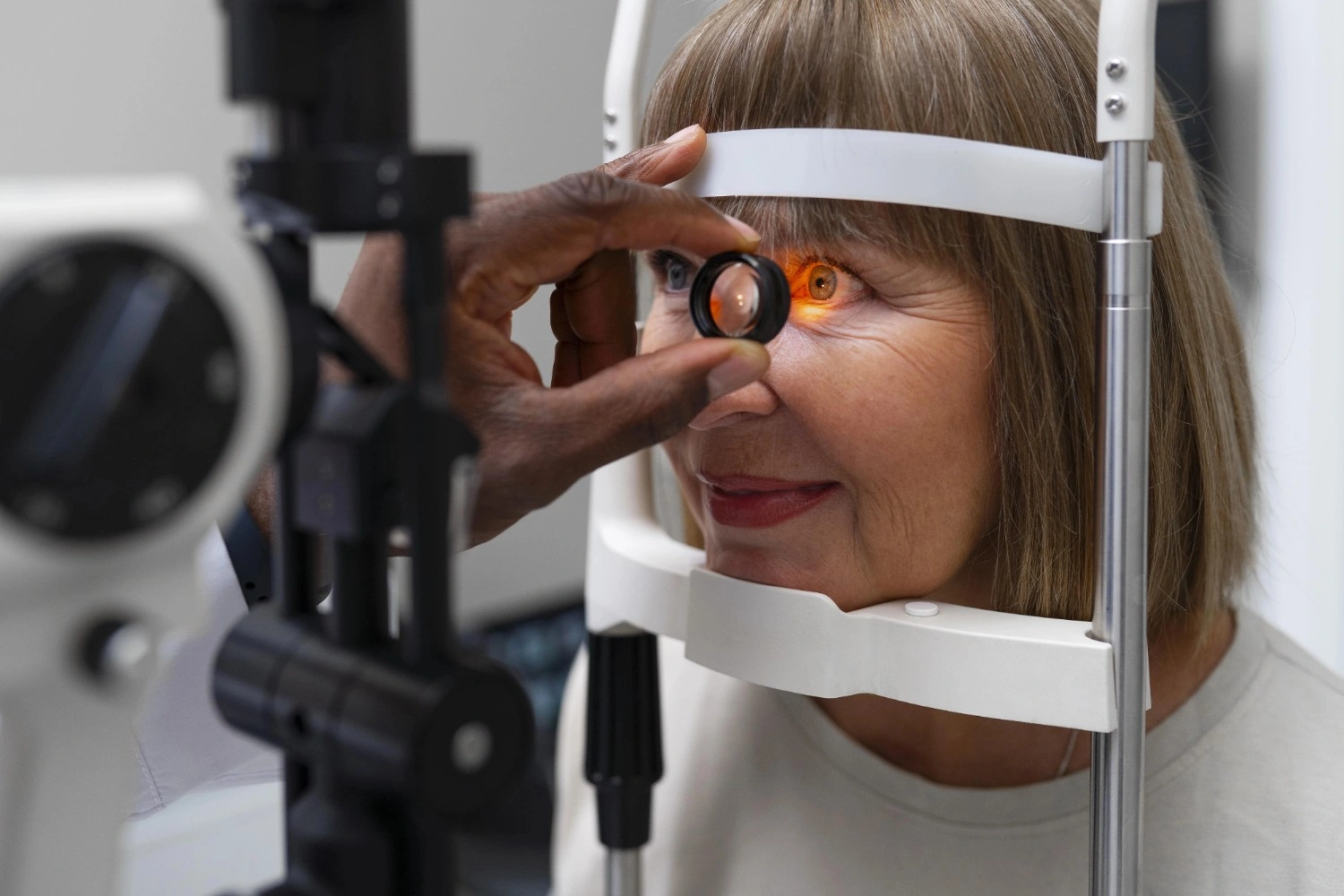
- Tonometry:- Measures intraocular pressure to check whether it is within the normal range or elevated, which is crucial for risk assessment.
- Optic Nerve Evaluation:- The specialist examines the optic nerve for subtle signs of thinning, cupping, or nerve fibre loss that may indicate early glaucoma.
- Visual Field Test:- Detects blind spots and peripheral vision changes, even before they become noticeable to the patient.
- OCT Scan:- This detailed imaging test assesses the layers of the retina and optic nerve, revealing microscopic damage missed by standard examination.
Treatment for Early-Stage Glaucoma
While glaucoma cannot be reversed, early intervention can significantly slow progression and preserve vision.
Treatment Options
- Medicated Eye Drops:- These drops help regulate pressure either by reducing eye fluid production or improving drainage. Consistent use is essential to prevent fluctuations.
- Laser Therapy:- Laser procedures improve the drainage function of the eye, helping stabilise pressure and reduce reliance on long-term medications.
- Surgical Management:- In cases where medications and laser treatments are not enough, minimally invasive or traditional surgeries create new drainage pathways to control eye pressure effectively.
Why Choose Lokmanya Hospitals for Glaucoma Screening?
Early detection of glaucoma requires expertise, precision, and reliable technology. At Lokmanya Hospitals, patients benefit from a structured and preventive approach as part of their advanced ophthalmology treatment in Pune. Specialists use high-resolution diagnostic tools, comprehensive scanning methods, and systematic monitoring to detect even the smallest signs of optic nerve damage.
Their personalised care plans, patient education, and long-term follow-ups make Lokmanya Hospitals a trusted choice for families seeking dependable glaucoma treatment in Pune. Whether it’s early-stage management or advanced intervention, their focus on accuracy and prevention helps patients protect their eyes and maintain long-term visual health.
Conclusion
Early signs of glaucoma are often subtle, but recognising them can prevent severe and irreversible vision loss. Regular check-ups, prompt evaluation, and a personalised care plan can make a significant difference in preserving eyesight. With advanced facilities and specialist care at Lokmanya Hospitals, patients receive reliable and effective glaucoma treatment in Pune designed to detect the disease early and manage it with long-term precision.
FAQs
1. Are early signs of glaucoma painful?
No, early stages are usually painless, which is why regular eye exams are important.
2. Can early glaucoma be reversed?
No, damage cannot be undone, but early treatment can slow progression significantly.
3. How often should I get screened for glaucoma?
Adults above 40 or those with risk factors should undergo screening once a year.
4. Do blurry vision episodes always mean glaucoma?
Not always, but if blurry vision occurs frequently, it should be evaluated by a specialist.
5. Are halos around lights a definite sign of glaucoma?
Not definite, but they are a common early symptom linked to increased eye pressure.
6. Can glaucoma occur with normal eye pressure?
Yes, in normal-tension glaucoma, optic nerve damage occurs even with normal pressure levels.
7. Does glaucoma progress quickly?
Progression varies; some patients experience slow changes while others progress faster.
8. Is glaucoma hereditary?
Yes, family history increases the risk and requires early and regular screenings.
Previous blog
Does Glaucoma Lead to Blindness?
Next blog