Does Glaucoma Lead to Blindness?
Category: Blogs
 Fri Nov 28 2025


Glaucoma is often described as the “silent thief of sight” because it progresses slowly and without obvious symptoms in the early stages. Many people realise they have the disease only after significant vision loss has already occurred. This makes awareness and timely screening extremely important. The specialists at Lokmanya Hospitals guide patients with a structured, preventive approach as part of their advanced ophthalmology treatment in Pune, ensuring early identification and long-term care.
If glaucoma remains untreated, the pressure inside the eye continues to damage the optic nerve, eventually leading to irreversible vision loss. To prevent this progression, the team at Lokmanya Hospitals offers a comprehensive and technology-driven glaucoma treatment in Pune, allowing patients to protect their eyesight through regular monitoring, personalised plans, and evidence-based therapies.
Understanding Glaucoma
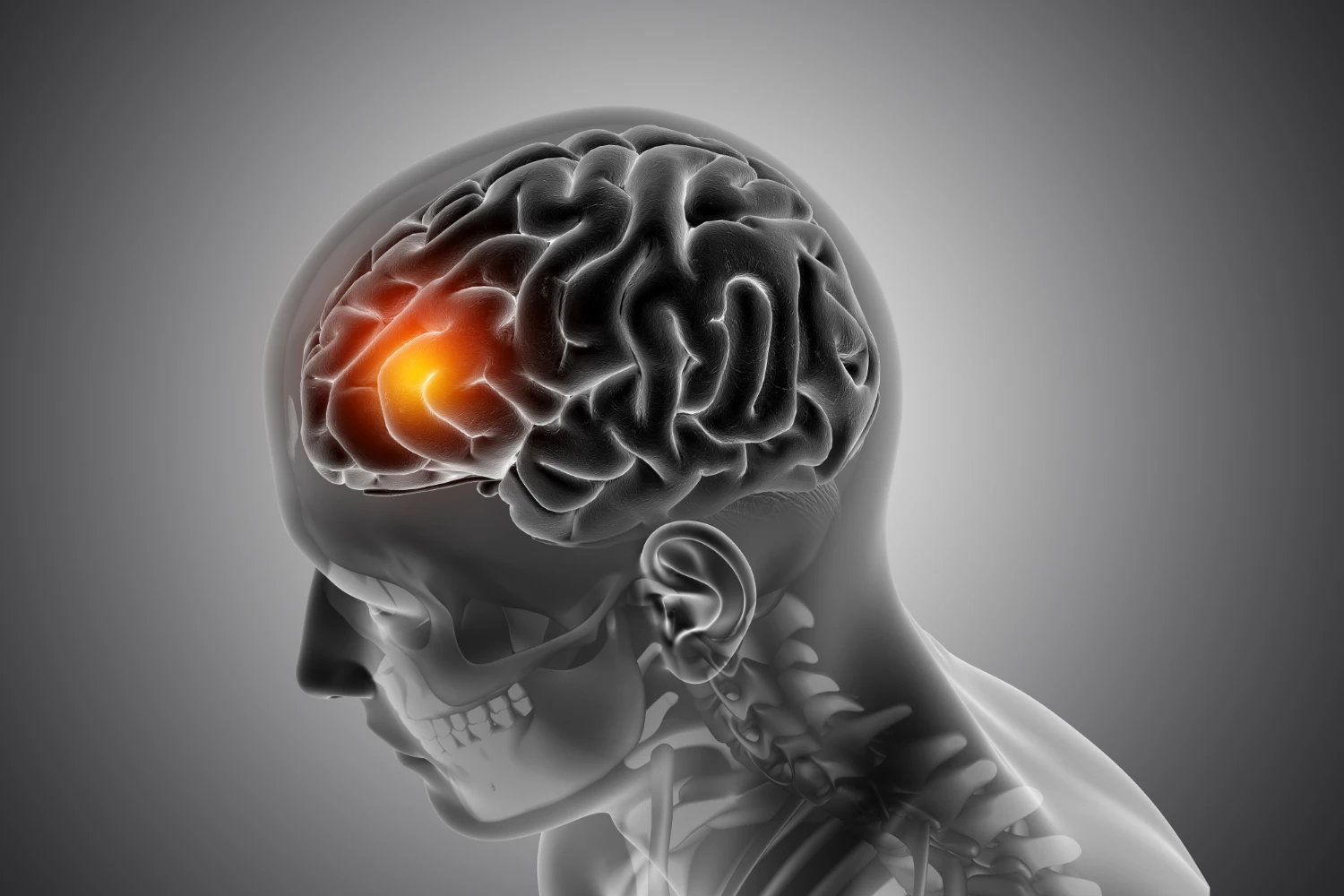
Before diving into the link between glaucoma and blindness, it’s important to understand how the condition works. Glaucoma occurs when pressure builds up inside the eye and gradually harms the optic nerve. Once the nerve fibres are damaged, the lost vision cannot be restored. Treatment therefore focuses on slowing further damage.
Can Glaucoma Lead to Blindness?
Yes, glaucoma can lead to complete blindness when left untreated. However, with early diagnosis and consistent management, most patients are able to maintain functional vision throughout their life.
How Glaucoma Causes Blindness
- Optic Nerve Damage:- As the pressure inside the eye increases, it compresses and gradually weakens the optic nerve. Over time, this damages nerve fibres responsible for transmitting visual information, causing blind spots that slowly expand.
- Peripheral Vision Loss:- Glaucoma typically affects side vision first. Because this change is subtle, many people don’t notice it until the disease has progressed significantly, making early screening essential.
- Central Vision Reduction:- Once peripheral vision is severely compromised, the damage spreads to central vision. At this stage, individuals struggle with activities like reading, recognising faces, and navigating spaces.
Permanent Vision Loss:- The optic nerve cannot regenerate. Without timely treatment, continuous nerve damage may eventually result in complete and irreversible blindness.
Types of Glaucoma
A brief note before detailing the types: glaucoma is not a single disease; it exists in several forms, each progressing differently and requiring specific evaluation.
Primary Open-Angle Glaucoma
- Gradual Blockage:- The drainage channels of the eye slowly become less efficient, causing pressure to rise over time. Because it progresses quietly, patients may not notice changes until significant damage has occurred.
- Slow Progression:- This type can remain undetected for years, making routine eye exams crucial to identify early nerve damage and initiate timely treatment.
Angle-Closure Glaucoma
- Sudden Pressure Spike:- Here, the drainage angle becomes abruptly blocked, creating a rapid rise in eye pressure. This presents as severe pain, redness, and sudden vision changes.
- Medical Emergency:- Immediate treatment is essential because the optic nerve can get damaged quickly. Prompt action can prevent permanent vision loss.
Normal-Tension Glaucoma
- Damage at Normal Pressure:- Even with eye pressure in the normal range, the optic nerve may still weaken. This is often linked to fragile optic nerves or reduced blood circulation.
- Requires Close Monitoring:- Since pressure doesn’t appear elevated, diagnosis relies heavily on nerve scans, visual field tests, and detailed examinations.
Secondary Glaucoma
- Result of Another Condition:- This form arises due to injuries, inflammation, diabetes, or prolonged steroid use. Understanding the underlying cause helps doctors tailor the right treatment.
- Varied Progression:- Depending on the trigger, it may progress slowly or rapidly, making personalised treatment essential.
Symptoms of Glaucoma
Before listing symptoms, remember that many patients do not show warning signs until the disease is advanced.
Common Symptoms
- Gradual Peripheral Vision Loss:- This is usually the first sign and often goes unnoticed. Patients may bump into objects or feel their side vision becoming narrower.
- Eye Redness or Pain:- A sudden increase in pressure, especially in angle-closure glaucoma, can cause severe pain and visible redness, indicating the need for emergency care.
- Blurred or Patchy Vision:- Damage to the optic nerve can lead to fuzzy or uneven vision, affecting daily activities and making tasks like reading difficult.
- Halos Around Lights:- Many people see rainbow-like rings around lights, particularly at night, due to pressure-induced corneal swelling.
Diagnosis of Glaucoma
Glaucoma requires a combination of tests because a single measurement cannot confirm the disease.
Key Diagnostic Tests
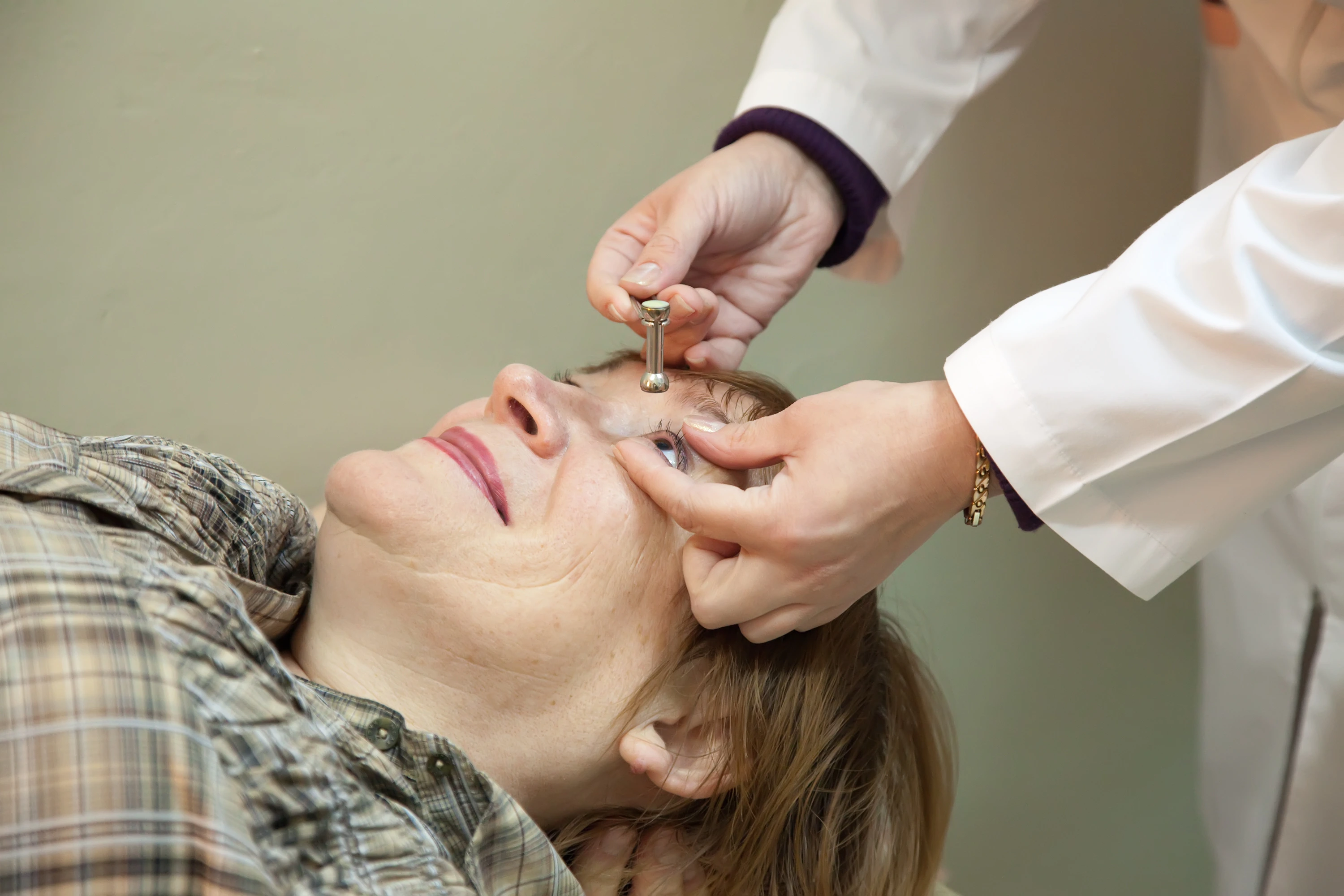
- Tonometry:- Measures intraocular pressure to determine whether it is higher than the normal range, an essential first step in evaluating glaucoma risk.
- Optic Nerve Examination:- The specialist examines the optic nerve for thinning, cupping, or structural changes that indicate early or ongoing damage.
- Visual Field Test:- This test maps blind spots and peripheral vision to identify changes that may not be obvious to the patient yet.
- OCT Scan:- Provides high-resolution imaging of the optic nerve and retinal layers, helping track even the smallest changes over time.
Treatment Options for Glaucoma
Treatment aims to control eye pressure and prevent further vision loss since lost eyesight cannot be regained.
Eye Drops
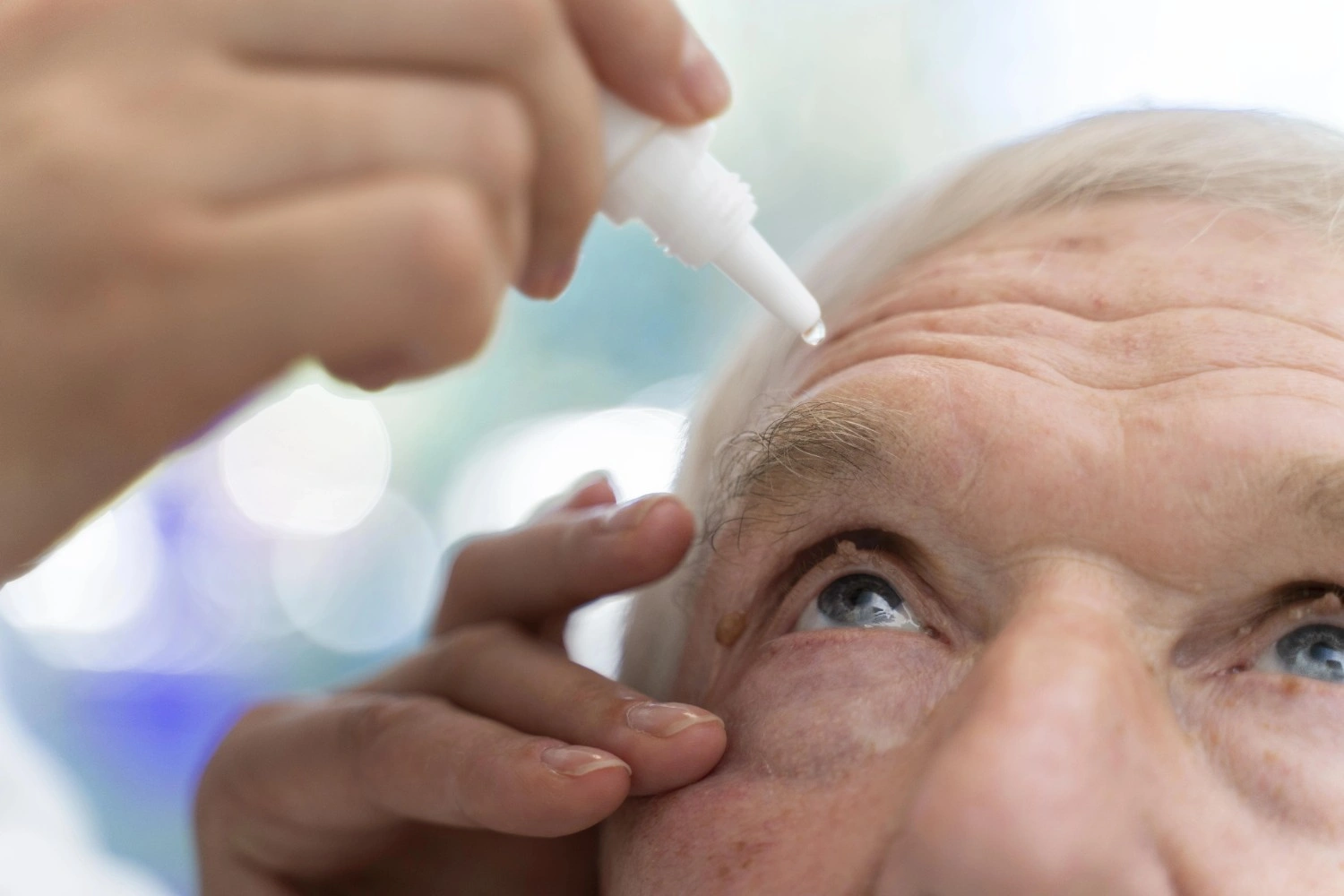
- Pressure Reduction:- These drops either reduce fluid production or improve fluid drainage. They are often the first line of treatment because they effectively manage pressure for many patients.
- Daily Usage:- Consistent and correct application is critical, as irregular use can cause pressure fluctuations and worsen nerve damage.
Oral Medications
- Additional Support:- When drops alone aren’t enough, oral medications help lower pressure by complementing topical treatments.
- Short-Term Use:- These are usually prescribed temporarily due to possible side effects but play an important role in initial stabilisation.
Laser Procedures
- Improved Drainage:- Laser treatments help create openings or enhance drainage routes. This can reduce dependence on long-term medications.
- Quick Recovery:- Most procedures are minimally invasive, allowing patients to resume normal activities soon after treatment.
Surgical Options
- Controlled Pressure Relief:- Surgery creates permanent drainage pathways to lower eye pressure when other treatments aren’t effective.
- Ideal for Advanced Cases:- It is recommended for patients with severe nerve damage or unstable pressure levels.
Why Choose Lokmanya Hospitals for Glaucoma Care?
Managing glaucoma requires precise diagnosis, continuous monitoring, and long-term guidance. The specialists at Lokmanya Hospitals provide detailed assessments, personalised care plans, and advanced screening as part of their comprehensive ophthalmology treatment in Pune. Their team ensures clarity at every step, helping patients understand the condition and manage it confidently.
With modern diagnostic tools, highly trained ophthalmologists, and patient-focused care, Lokmanya Hospitals offer reliable and effective glaucoma treatment in Pune. Their approach combines early detection, close follow-ups, and advanced treatment options, helping patients slow progression and preserve their vision with consistent, high-quality care.
Conclusion
Glaucoma can lead to blindness if it progresses without treatment, but regular screenings and early intervention can significantly reduce this risk. Protecting your vision starts with timely evaluation and proper management. With the expertise and advanced facilities at Lokmanya Hospitals, patients receive professional and personalised glaucoma treatment in Pune that helps prevent further damage and maintain long-term eye health.
FAQs
1. Can glaucoma be completely cured?
No, glaucoma cannot be cured, but its progression can be controlled with regular treatment and monitoring.
2. Is glaucoma always symptomatic?
Not at all. Many patients show no symptoms until the disease is advanced, making annual screenings important.
3. How fast does glaucoma progress?
Progression varies for each patient. Some experience slow changes over years, while others progress faster.
4. Does high eye pressure always mean glaucoma?
No. High pressure increases risk, but diagnosis depends on optic nerve health and disease patterns.
5. Can glaucoma cause sudden blindness?
Angle-closure glaucoma can cause rapid damage. Immediate treatment helps prevent sudden vision loss.
6. Is glaucoma hereditary?
Yes. Family history significantly increases the risk and requires early, regular screening.
7. Do I need surgery for glaucoma?
Not always. Many patients manage well with drops or laser treatments. Surgery is for severe or uncontrolled cases.
8. How often should I visit an eye doctor?
Adults above 40 or those with risk factors should undergo a complete eye exam every year.
Previous blog
How To Prevent Glaucoma
Next blog