Can Dental Cleaning Damage Teeth?
Category: Blogs
 Fri Nov 28 2025


Dental cleaning is an important part of maintaining oral hygiene and preventing problems such as plaque buildup, gum disease, and tooth decay. Many people worry that professional dental cleaning may loosen teeth, make enamel thinner, or cause long-term damage. These concerns usually arise from temporary sensitivity or the sound of scraping during the procedure. Understanding the purpose of dental cleaning and how it works helps reduce fear and encourages regular oral care.
At Lokmanya Hospital, individuals looking for safe and professional dental treatment in Pune receive guidance and support tailored to their oral health needs. Our experienced dental team ensures that patients feel comfortable and informed before, during, and after the cleaning procedure. Whether someone is planning routine care or seeking advice from a dental doctor in Pune, the goal is to protect natural teeth and improve long-term dental health through proper cleaning techniques and personalised care.
Is Dental Cleaning Harmful?
Dental cleaning is safe when performed by trained professionals. It does not damage teeth but instead removes harmful plaque and tartar that can cause long-term dental problems if left untreated. Sensitivity after cleaning is normal and temporary, typically lasting a short time.
Why People Think Dental Cleaning Is Harmful
- Temporary Sensitivity:– Some individuals may experience brief sensitivity after cleaning, especially if tartar buildup was heavy, but this does not mean enamel was harmed.
- Scraping Sounds and Pressure:– The dental tools used may sound sharp or feel strong, which can create a misunderstanding that the teeth are being damaged.
- Gums May Bleed:– If gums are inflamed or affected by plaque, bleeding may occur during cleaning but reduces as oral hygiene improves.
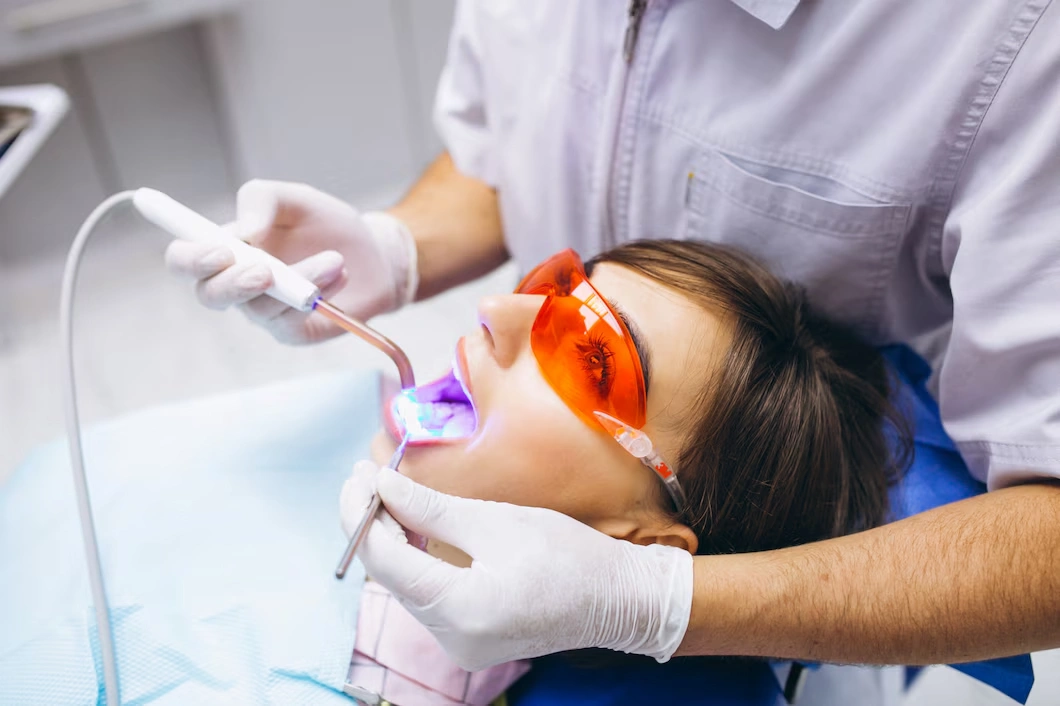
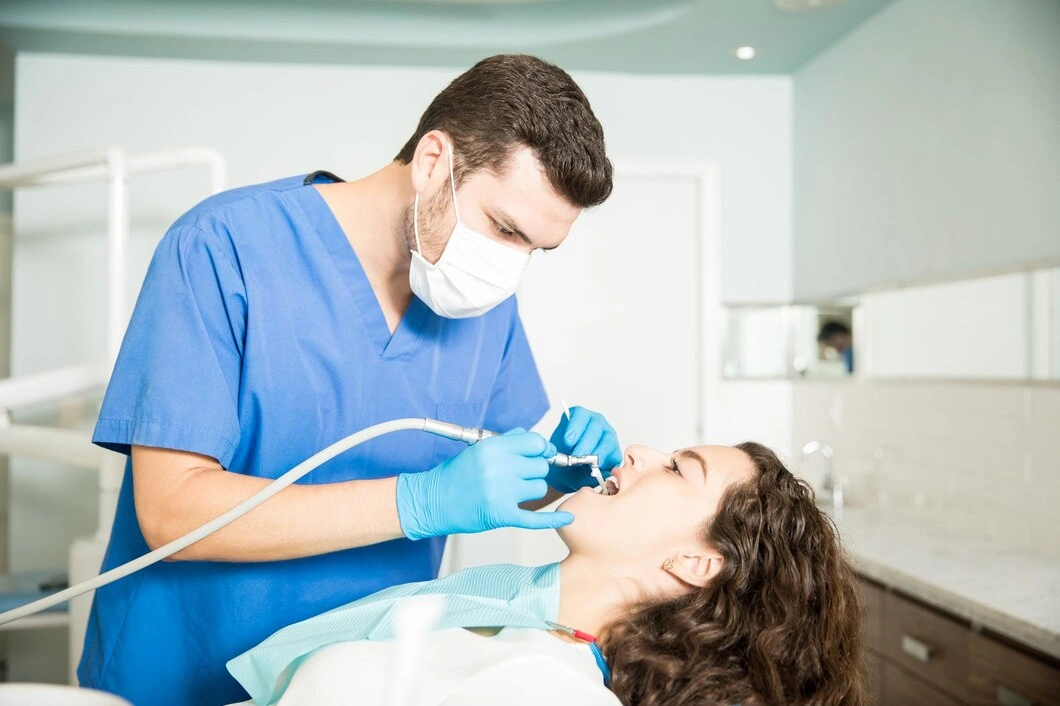
What Happens During Professional Dental Cleaning?
Understanding the process helps build confidence and removes fear around the procedure. At a dental hospital in Pune like Lokmanya Hospital, the cleaning is done gently and carefully.
Steps Involved in Professional Cleaning
- Scaling:– The dentist removes plaque and tartar from the surface of the teeth and gum line using specialised equipment.
- Polishing:– After scaling, the teeth are polished to smooth surfaces and reduce the chances of bacteria sticking again.
- Fluoride Protection (Optional):– A fluoride coating may be applied to strengthen enamel and help protect against decay.
Benefits of Regular Dental Cleaning
Professional dental cleaning helps maintain strong, healthy teeth and reduces the risk of future dental issues.
- Prevents Cavities and Gum Disease:– Removing tartar reduces the risk of decay and supports gum health.
- Improves Breath:– Cleaning eliminates bacteria and buildup that may cause bad odour or mouth discomfort.
- Supports Better Oral Hygiene:– Clean teeth are easier to maintain and respond better to daily brushing and flossing.
How to Maintain Results After Cleaning
Dental cleaning gives a fresh start, but daily care helps keep teeth clean for longer.
- Brush Twice Daily with Fluoride Toothpaste:– This helps remove daily plaque and keeps enamel strong.
- Floss Once a Day:– Flossing cleans areas that brushing cannot reach and prevents buildup between teeth.
- Limit Sugary Foods and Acidic Drinks:– Reducing harmful foods helps prevent fresh plaque formation.
Why Choose Lokmanya Hospital for Dental Cleaning?
Choosing the right care makes a difference in comfort and long-term results. Lokmanya Hospital offers personalised treatment plans for individuals seeking safe and effective dental treatment in Pune. Our experienced team focuses on educating patients, using gentle cleaning techniques, and providing treatment that suits their dental condition.
As a trusted dental hospital in Pune, Lokmanya Hospital ensures that procedures are performed with precision and patient comfort. With access to skilled specialists and modern equipment, individuals receive proper guidance from knowledgeable dental doctors in Pune. We prioritize safety, hygiene, and long-term preventive care for improved dental health.
Conclusion
Dental cleaning does not damage teeth. Instead, it helps maintain dental hygiene, prevent gum disease, and protect natural teeth from long-term damage. Temporary gum bleeding or sensitivity is normal and reduces with regular cleaning and proper oral care habits. Professional guidance ensures the procedure is safe, comfortable, and beneficial.
For individuals seeking expert care, Lokmanya Hospital provides reliable support for dental treatment in Pune, including routine cleaning and hygiene guidance. With experienced doctors, modern facilities, and a patient-focused approach, the hospital ensures that dental cleaning is performed with care and precision. Regular cleaning and good hygiene habits help maintain a healthy smile and protect long-term oral health.
FAQs
1. Can dental cleaning weaken teeth?
No, cleaning does not weaken teeth. It removes harmful tartar and plaque, helping teeth stay strong and healthy.
2. Is sensitivity after cleaning normal?
Yes, mild sensitivity is common and temporary. It usually improves within a few days after the cleaning procedure.
3. Do gums bleeding during cleaning mean damage?
No, bleeding is often a sign of gum inflammation caused by plaque buildup. Regular cleaning reduces bleeding over time.
4. How often should dental cleaning be done?
Most individuals benefit from dental cleaning every six months, but recommendations may vary depending on oral health.
5. Can professional cleaning remove stains?
Yes, scaling and polishing remove surface stains and help teeth appear cleaner and brighter.
6. Is dental cleaning necessary if I brush daily?
Yes, because brushing alone cannot remove hardened tartar, which requires professional cleaning tools.
7. Is the procedure painful?
Most individuals find dental cleaning comfortable. If discomfort occurs, it is mild and manageable.
8. Can dental cleaning prevent future cavities?
Yes, removing tartar helps protect enamel and reduces the risk of decay and gum disease.
Previous blog

Can Amblyopia Be Corrected?
Next blog