What is the Fastest Way to Reduce Acidity?
Category: Gastroenterologist
 Tue Apr 21 2026


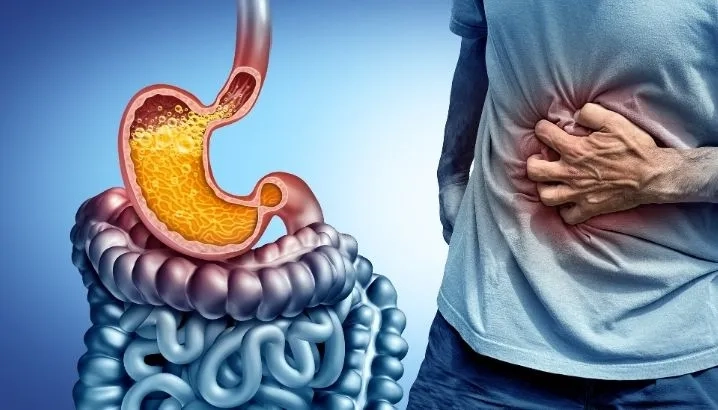
We have all experienced that uncomfortable, sharp burning sensation in the chest after a heavy or spicy meal. When the discomfort strikes, you want relief immediately so you can get back to your day.
The fastest way to reduce acidity is to take an over-the-counter liquid antacid to neutralise stomach acid instantly, slowly sip a glass of cold milk or lukewarm water, and remain in a strictly upright position to prevent digestive fluids from rising into your chest.
Key Takeaways
- Fast-acting liquid antacids provide the most immediate relief by chemically neutralising excess stomach acid on contact.
- Simple home remedies, such as sipping cold milk, fennel seed water, or ginger tea, can rapidly soothe an irritated digestive tract.
- Maintaining an upright posture and loosening tight clothing instantly relieves physical pressure on your stomach, stopping acid from flowing upwards.
- Frequent or severe acidity requires professional medical evaluation to prevent long-term damage to your oesophagus.
What exactly causes that sudden burning sensation?
To stop the burn quickly, it helps to understand why it happens in the first place. At the bottom of your food pipe (oesophagus) sits a muscular valve that opens to let food in and closes to keep digestive acids down.
When this valve relaxes at the wrong time or weakens, powerful stomach acids splash upwards. Because the lining of your oesophagus is not built to withstand this harsh acid, you instantly feel a painful, burning irritation.
At Lokmanya Hospitals, recognised as the Best Multispecialty Hospital in Pune, our gastroenterology experts note that this valve malfunction is often triggered by overeating, lying down too quickly after a meal, or consuming highly acidic and spicy foods.
How can you stop acidity immediately at home?
When you need instant relief and do not have medication on hand, your posture and breathing are your first line of defence. Stand up straight immediately or sit in a highly upright chair. Gravity is incredibly effective at keeping stomach contents where they belong.
Next, loosen any tight belts, waistbands, or restrictive clothing. External pressure squeezes your stomach, practically forcing acid upwards. Relieving this pressure offers almost instant comfort.
Sipping lukewarm water slowly can also help wash the acid back down your throat and dilute the stomach contents. Avoid chugging large amounts of water at once, as a suddenly full stomach can trigger further reflux.
Which foods provide the quickest relief from heartburn?
Your kitchen holds several natural antacids that can calm a turbulent stomach. Cold, unflavoured milk is a traditional and highly effective remedy. The calcium in milk acts as a temporary buffer, coating the oesophageal lining and soothing the fiery sensation.
Alternatively, grab a ripe banana. Bananas are naturally alkaline and rich in pectin, a soluble fibre that helps keep food moving smoothly through your digestive tract. Eating a banana helps neutralise the acidic environment in your stomach.
You can also chew on a spoonful of fennel seeds or brew a quick cup of ginger tea. Ginger is a potent anti-inflammatory that reduces gastrointestinal irritation, while fennel seeds contain oils that aid digestion and reduce bloating.
Struggling with severe heartburn that will not go away? Do not let acidity disrupt your life. Contact Lokmanya Hospitals, Pune today for expert care. Call us or book your consultation online to get a personalised treatment plan.
When should you visit a doctor for your acidity?
Occasional heartburn after a festive meal is normal, but chronic acidity is a warning sign. If you find yourself reaching for antacids more than twice a week, your body is telling you that something needs medical attention.
As a leading acidity treatment hospital in Pune, we frequently see patients who have ignored their symptoms for too long. Untreated chronic acidity, known as Gastroesophageal Reflux Disease (GERD), can cause permanent scarring and severe swallowing difficulties.
To help you understand when to seek help, consider this simple comparison between normal acidity and chronic GERD:
Feature | Occasional Acidity | Chronic GERD |
| Frequency | Rare (e.g., after large meals) | Frequent (twice a week or more) |
| Duration | Lasts a few minutes to a couple of hours | Persistent, often lasting for hours or through the night |
| Associated Symptoms | Mild chest burning, slight bloating | Chronic cough, difficulty swallowing, unexplained weight loss |
| Response to Home Remedies | Resolves quickly with water or milk | Antacids and remedies provide little to no lasting relief |
If you are wondering how long these symptoms should typically persist, you can read more in our guide: How long does acid reflux last?.
What medical treatments are available for severe reflux?
When lifestyle changes and home remedies fail to provide relief, clinical intervention becomes necessary to protect your digestive health. Our doctors typically prescribe proton pump inhibitors (PPIs) or H2 blockers for persistent cases.
These prescription medications do much more than neutralize acid; they actively reduce the amount of acid your stomach produces. This gives your irritated oesophageal tissues the crucial time they need to heal completely.
For severe, treatment-resistant cases where the stomach valve is structurally compromised, we offer advanced, minimally invasive surgical options.
As a premier acidity treatment in Pune, we ensure that every procedure is tailored to your specific anatomy and lifestyle needs.
Proper diagnosis is the key to lasting comfort. We utilise advanced endoscopic imaging and pH monitoring to precisely identify the root cause of your discomfort, ensuring you receive the most effective care possible.
Conclusion
Living with the constant threat of a burning chest can take the joy out of eating and disrupt your daily routine.
While fast-acting remedies provide immediate comfort, they are not a permanent fix. Untreated chronic acidity can lead to serious complications. To learn more about the risks of long-term exposure, see Can Acid Reflux Permanently Damage Your Throat?.
At Lokmanya Hospitals, we are dedicated to helping you achieve lasting digestive wellness through accurate diagnosis, compassionate care, and advanced medical treatments. If acidity is impacting your quality of life, take the proactive step to protect your health.
Schedule your expert consultation with our gastroenterology specialists.
Frequently Asked Questions
1. Does drinking hot water reduce acidity?
While sipping lukewarm water can aid digestion and help wash acid back into the stomach, very hot water may further irritate an already inflamed oesophagus. It is best to stick to room temperature or lukewarm water for gentle relief.
2. Can sleeping on a specific side stop nighttime heartburn?
Yes, sleeping on your left side is highly recommended for acidity. Due to the anatomical shape of your stomach, lying on the left side keeps the gastric juices below the oesophageal sphincter, significantly reducing the chance of acid leakage.
3. Is baking soda safe to use for immediate acidity relief?
A half-teaspoon of baking soda mixed in a glass of water can act as a quick, natural antacid by neutralising stomach acid. However, it is high in sodium and should only be used occasionally, never as a long-term daily treatment.
4. Why does stress seem to trigger my acidity?
High stress levels trigger the "fight or flight" response, which slows down the digestive process and makes you more sensitive to pain. Prolonged stress can also increase stomach acid production and cause you to swallow air, leading to bloating and reflux.
5. Can chewing gum really help with heartburn?
Yes, chewing sugar-free gum for about 30 minutes after a meal stimulates saliva production. Saliva is naturally alkaline, and swallowing more of it helps clear acid from the oesophagus and gently neutralises the burn.
Previous blog