How long does acid reflux last?
Category: Gastroenterologist
 Mon Apr 20 2026


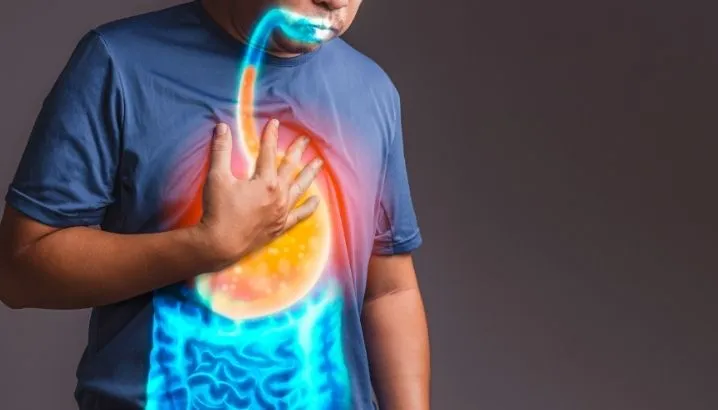
Experiencing a sudden burning sensation in your chest after a heavy meal can be incredibly uncomfortable, leaving you wondering when the discomfort will finally fade.
The answer depends on the underlying cause, but generally, most mild acid reflux episodes last anywhere from a few minutes to two hours, often starting within an hour of eating trigger foods.
While occasional heartburn resolves quickly with simple remedies, persistent symptoms require a closer look to prevent long-term damage.
Key Takeaways
- Acute episodes of acid reflux typically resolve within 30 minutes to two hours.
- Chronic reflux, known as Gastro-oesophageal Reflux Disease (GERD), can last for months or years without proper medical management.
- Simple lifestyle modifications, such as eating smaller meals and remaining upright, can drastically shorten an episode.
- Persistent symptoms that do not improve with over-the-counter antacids warrant immediate evaluation by a specialist.
When digestive discomfort disrupts your daily life, finding the right medical support is crucial for your peace of mind and physical health.
As the Best Multispecialty Hospital in Pune, Lokmanya Hospitals is dedicated to providing compassionate, evidence-based care to help you overcome digestive issues.
We understand how frustrating chronic heartburn can be, and our specialists are here to guide you toward lasting relief.
Occasional Heartburn vs. Chronic GERD
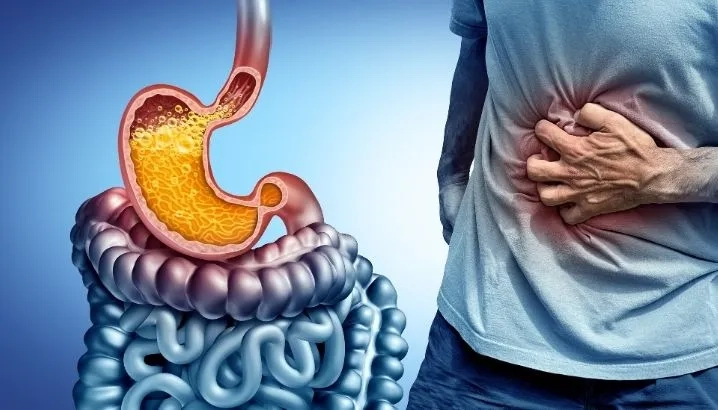
To understand how long your symptoms will last, it helps to know exactly why they happen. When you swallow, food travels down your oesophagus and passes through a muscular valve called the lower oesophageal sphincter.
This valve is supposed to close tightly once food enters your stomach. However, if this muscle relaxes inappropriately or weakens over time, powerful stomach acids flow backwards into your delicate oesophagus.
Because your oesophageal lining is not designed to withstand harsh digestive acids, this backflow instantly triggers inflammation. This irritation is what creates the familiar, painful heartburn sensation and sour taste in the back of your throat.
Occasional Heartburn vs. Chronic GERD
| Feature | Occasional Heartburn | Chronic GERD |
|---|---|---|
| Duration | 30 to 120 minutes. | Months or years without treatment. |
| Frequency | Rare, usually after "trigger" meals. | More than twice a week. |
| Relief | Quick response to over-the-counter antacids. | Requires prescription meds or lifestyle overhauls. |
| Risk | Minimal. | Can lead to tissue scarring or strictures. |
If you find yourself relying on antacids daily, you should consider professional acid reflux treatment in Pune. Chronic reflux can sometimes lead to complications beyond the chest; for more on this, see Can Acid Reflux Permanently Damage Your Throat?.
How long do mild acid reflux symptoms typically last?
For most people, heartburn is an occasional nuisance rather than a daily struggle. A typical mild episode begins shortly after eating a large, fatty, or highly spiced meal.
These brief bouts of discomfort generally last between 30 to 120 minutes. If you take a standard over-the-counter antacid medication, you will likely experience soothing relief within five to ten minutes.
However, the exact duration of an episode heavily depends on your posture and digestion speed.
If you lie down or bend over immediately after eating, the acid continues to pool in your upper chest, significantly prolonging the irritation.
Ready to stop letting heartburn control your meals? Book an expert consultation with our gastroenterology team today. Call us or visit to schedule your appointment at Lokmanya Hospitals, Pune.
When does occasional heartburn become a chronic condition?
While a two-hour episode is manageable, some patients experience a burning chest day after day.
If your symptoms occur more than twice a week and persist for several weeks, you may have transitioned from acute reflux to chronic GERD.
Unlike a temporary upset stomach, GERD does not simply fade away on its own. Without professional intervention, this chronic condition can last for months or even years.
Over time, untreated GERD can lead to severe complications like tissue scarring or an oesophageal stricture.
If you rely on antacids daily just to function, it is time to seek professional help. Finding effective acid reflux treatment in Pune allows you to address the root cause of the weakened valve, rather than just masking the daily pain.
Key subpoints to identify chronic GERD:
- Waking up frequently with a chronic dry cough or choking sensation.
- Experiencing painful or difficulty swallowing solid foods.
- Unexplained weight loss alongside a persistent sore throat.
What simple lifestyle changes can shorten an episode?
You do not always have to wait out the pain; you can actively shorten the duration of an acid reflux attack. The fastest way to encourage stomach emptying is to remain completely upright for at least two hours after your meal.
Drinking a small glass of room-temperature water can also help gently wash the lingering acid back down into your stomach.
Furthermore, wearing loose-fitting clothing instantly relieves the external physical pressure on your abdomen.
For long-term prevention, identify and eliminate your unique dietary triggers. Reducing your intake of caffeine, citrus fruits, chocolate, and carbonated beverages significantly lowers your risk of triggering an extended reflux episode.
How do doctors treat long-lasting acid reflux?
When lifestyle changes are not enough, medical science steps in to protect your digestive tract. Doctors primarily use Proton Pump Inhibitors (PPIs) or H2 blockers to drastically reduce the amount of acid your stomach produces.
These prescription medications give your oesophageal tissues the necessary time to heal from prolonged acid exposure.
For severe, treatment-resistant cases, minimally invasive surgical options can physically tighten the weakened sphincter muscle.
Choosing a reliable healthcare partner ensures you receive the exact diagnostic testing needed, such as an endoscopy or pH monitoring. As a trusted GERD treatment Hospital in Pune, we tailor our medical and surgical interventions entirely to your unique anatomy and symptom severity.
Conclusion
Living with the constant fear of chest pain can be exhausting, but it is highly treatable. By understanding your triggers and seeking timely medical advice, you can permanently extinguish the burn of acid reflux.
At Lokmanya Hospitals, we are committed to restoring your digestive comfort with empathy and clinical excellence.
Take the first step towards a pain-free life by contacting us at to book your comprehensive consultation today.
Frequently Asked Questions
1. Can drinking milk instantly stop acid reflux?
While a few sips of cold, non-fat milk can temporarily coat the stomach lining and buffer the acid, full-fat milk may actually worsen the condition. Fat slows down stomach emptying, which can ultimately prolong your reflux episode.
2. Why does my acid reflux last longer at night?
When you sleep horizontally, gravity can no longer keep stomach acids pushed down. This allows the digestive fluids to flow freely into the oesophagus and pool there for hours, which is why night-time episodes often feel much more severe.
3. Is it safe to take antacids every day for persistent heartburn?
Taking over-the-counter antacids daily for more than two weeks is not recommended. Continuous use only masks the symptoms of chronic GERD and can lead to mineral imbalances or mask serious underlying oesophageal damage.
4. How long does it take for prescription reflux medication to work?
While liquid antacids work in minutes, prescription medications like Proton Pump Inhibitors (PPIs) build up in your system gradually. It may take anywhere from one to four days of consistent dosing to feel the full, lasting effects.
5. Can extreme stress make an acid reflux episode last longer?
Yes, severe stress and anxiety can directly impact your digestive system. Stress increases your pain sensitivity, slows down the digestion process, and can cause you to swallow more air, all of which prolong and intensify a reflux attack.
Previous blog