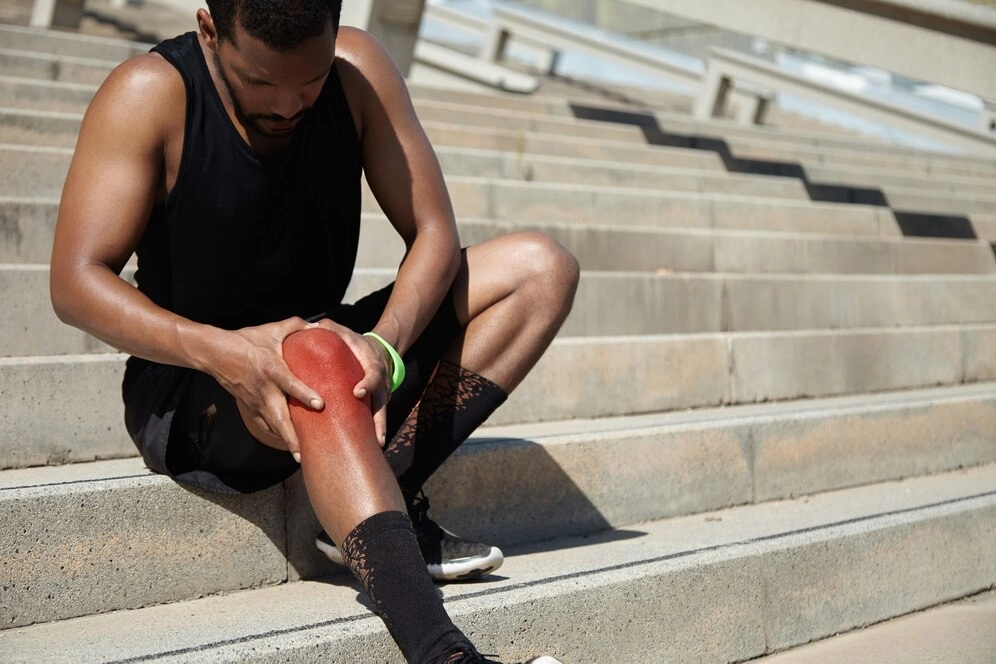
Bursitis of the Hip, Shoulder and Knee: Symptoms and Treatment
Category: Orthopedics
 Wed Oct 28 2026


Pain around the hip, shoulder, or knee doesn't always come from the joint itself. Bursitis symptoms and treatment depend on which bursa is inflamed, what caused the irritation, and whether there is another condition causing the pain.
At Lokmanya Hospitals, Pune, our orthopaedic team assesses the source of joint pain before deciding whether you need simple activity changes, medicines, physiotherapy, an injection, or further treatment.
Key Takeaways
- Bursitis is inflammation of a small fluid-filled sac that reduces friction around a joint.
- Hip, shoulder, and knee bursitis can cause pain, tenderness, swelling, and restricted movement.
- Repeated pressure, overuse, injury, arthritis, gout, and infection can cause bursitis.
- Most cases improve with activity modification and appropriate treatment, but infected bursitis needs prompt medical care.
- Persistent or recurring pain should be assessed rather than repeatedly treated at home.
What is bursitis and why does it hurt?
Bursitis occurs when a bursa becomes irritated and inflamed, causing pain around a joint.
A bursa is a small fluid-filled sac that sits between structures such as bones, tendons, muscles, and skin. It works like a cushion and helps these tissues move smoothly without excessive rubbing.
When the bursa becomes irritated, it can swell and become painful. The affected area may feel tender, warm, stiff, or swollen. Pain may increase when you move the joint or press on the area.
The condition can affect several parts of the body, but the hip, shoulder, and knee are common locations.
What causes bursitis in the hip, shoulder, or knee?
Repeated pressure, repetitive movement, direct injury, and some medical conditions can irritate a bursa and cause inflammation.
Common causes include:
- Repeated movement during work, exercise, or sports
- Kneeling for long periods
- Repeated overhead movements
- A direct blow or fall
- Osteoarthritis
- Gout
- Rheumatoid arthritis
- Infection of the bursa
For example, frequent kneeling can irritate the bursae around the knee, while repeated overhead movements can contribute to shoulder problems. Hip bursitis can develop after repeated stress around the outer side of the hip.
Bursitis can also develop gradually, so you may not always remember one specific injury that started the pain.
What does bursitis feel like in the hip?
Hip bursitis usually causes pain and tenderness around the outer side of the hip, and the discomfort may become worse with pressure or movement.
You may notice:
- Pain over the outside of the hip
- Tenderness when you press the area
- Pain when lying on the affected side
- Discomfort while walking or climbing stairs
- Stiffness around the hip
If you're searching for hip bursitis symptoms, remember that pain around the hip can have many causes. Tendon problems, arthritis, muscle injuries, and conditions affecting the lower back can produce similar symptoms.
The location of pain alone cannot confirm bursitis. An examination helps determine whether the bursa is actually the source of the problem.
What does shoulder bursitis feel like?
Shoulder bursitis commonly causes pain when you move the arm, particularly during activities that involve lifting the arm overhead.
You may experience:
- Pain around the shoulder
- Tenderness
- Difficulty raising the arm
- Pain during repetitive overhead activity
- Stiffness or reduced movement
Shoulder bursitis can occur alongside other shoulder problems, including rotator cuff conditions. This is why persistent shoulder pain shouldn't automatically be labelled as bursitis.
If you're considering shoulder bursitis treatment, the first step is to establish what is actually causing the pain.
What are the symptoms of knee bursitis?
Knee bursitis can cause localised pain, warmth, swelling, and tenderness around the affected bursa.
The exact symptoms depend on which bursa is inflamed.
Knee bursitis may occur over the kneecap or on the inner side of the knee below the joint. Repeated kneeling, direct injury, and overuse are common triggers.
You may notice:
- Pain when kneeling
- Swelling around the kneecap
- Warmth over the affected area
- Tenderness when touched
- Pain during movement
Pain around the knee doesn't always mean the knee joint itself is damaged. Problems in the surrounding soft tissues, including bursae and tendons, can also cause significant joint pain.
How serious can bursitis become?
Most non-infectious bursitis is not a serious condition, but persistent symptoms can interfere with movement, sleep, work, exercise, and everyday activities.
Many cases improve with appropriate rest and treatment. However, bursitis can return if the activity or pressure that caused it continues.
There is also an important complication called septic bursitis. This means the bursa has become infected.
Fever, chills, increasing redness, warmth, marked swelling, or severe tenderness around a swollen bursa needs medical assessment. Infection may require antibiotics and sometimes drainage of the affected fluid.
When should you see a doctor for bursitis?
You should see a doctor when pain persists, keeps returning, limits normal movement, or is accompanied by signs that could indicate infection.
Seek medical assessment if:
- Pain interferes with normal activities
- You cannot move the joint properly
- Swelling continues or keeps returning
- The area becomes increasingly red or warm
- You develop fever or chills
- Pain becomes severe
- Symptoms don't improve after reasonable home care
If you're asking when should I see a doctor for bursitis, don't wait for symptoms to become unbearable. Persistent pain deserves a proper diagnosis because several joint conditions can feel similar.
How is bursitis diagnosed?
Bursitis is usually diagnosed through your symptoms and physical examination, with imaging or fluid testing used when needed.
Our specialists may ask:
- When the pain started
- Whether it followed an injury
- Which activities make it worse
- Whether you have swelling or warmth
- Whether you've had similar episodes before
- Whether you have conditions such as arthritis or gout
During the examination, the doctor may gently press around the affected area and assess movement.
An X-ray may be used to look for other causes of pain. Ultrasound or MRI can provide more information about soft tissues and the affected bursa when required.
In some cases, bursa aspiration may be performed. This means using a needle to remove some fluid from the bursa. The fluid can be tested for infection or conditions such as gout, and draining excess fluid can sometimes help symptoms.
MedlinePlus describes the same steps in its bursitis overview: diagnosis by physical exam, X-ray or MRI, with fluid sometimes taken from the swollen area to make sure the problem isn’t an infection.
How is bursitis treated?
Treatment usually starts by reducing irritation and pressure on the affected bursa.
Depending on the cause and severity, treatment may include:
- Resting the affected area
- Temporarily changing activities
- Ice to reduce pain and swelling
- Appropriate pain-relief medicines
- Physiotherapy
- A brace, cushion, or other support
- Corticosteroid injection in selected cases
- Antibiotics if the bursa is infected
- Aspiration when fluid needs to be removed
- Rarely, surgery
Treatment should be directed at the underlying cause. Simply reducing pain without addressing repeated pressure, weakness, poor movement, or an underlying medical condition may allow symptoms to return.
Can bursitis go away on its own?
Yes, many cases of non-infectious bursitis improve with rest, activity modification, and simple measures.
The time needed for recovery depends on the cause, location, severity, and whether the activity causing irritation has been stopped.
If the same pressure or repetitive movement continues, symptoms may persist or return.
This is why physical therapy can be useful in selected patients. Strengthening the muscles around the affected area and improving movement can reduce stress on the joint and help prevent repeated episodes.
What Is Sports Injury Physiotherapy? shows how that rehabilitation is structured, including the strengthening and movement-retraining work that reduces repeat flare-ups.
How long does bursitis take to heal?
Mild bursitis can improve within a few weeks, but recovery varies from person to person.
A flare caused by temporary overuse may settle once the irritating activity is reduced. Recurrent bursitis may take longer, particularly when the underlying cause has not been addressed.
If pain continues despite sensible self-care, your doctor may reassess the diagnosis and treatment plan.
Recovery isn't only about making the pain disappear. The aim is to restore comfortable movement and reduce the chance of repeated flare-ups.
What makes bursitis worse?
Activities that repeatedly put pressure on or rub the affected bursa can make symptoms worse.
Depending on the location, this may include:
- Repeated kneeling
- Leaning on the affected area
- Repetitive overhead movements
- Running or exercise that aggravates symptoms
- Continuing an activity despite increasing pain
- Returning to full activity too quickly
If a particular movement consistently causes pain, don't keep testing the joint by repeating it.
Short-term activity modification can give the inflamed tissue an opportunity to settle.
Can steroid injections help bursitis?
A corticosteroid injection may reduce inflammation and pain in selected cases when simpler measures haven't provided enough relief.
The medicine is injected into or around the affected bursa. In some situations, ultrasound guidance can help the clinician target the area accurately.
Steroid injections aren't suitable for every patient.
A steroid injection should not be used to mask an infection. When septic bursitis is suspected, the priority is appropriate assessment and treatment of the infection.
Does bursitis always need surgery?
No, surgery is rarely needed for ordinary bursitis.
Most patients can be managed with non-surgical treatment. Surgery may be considered in selected cases where symptoms remain persistent despite appropriate treatment or when there is ongoing infection that doesn't respond adequately to other measures.
The decision depends on the cause, duration, severity, and response to treatment.
How can you prevent bursitis from coming back?
Reducing repeated pressure and improving the way you use the affected joint can lower the chance of recurrent bursitis.
Practical steps include:
- Use padding when kneeling
- Take regular breaks during repetitive work
- Warm up before exercise
- Increase exercise gradually
- Strengthen the muscles supporting the affected joint
- Maintain a healthy weight where appropriate
- Avoid repeatedly putting direct pressure on a painful area
For people whose work involves kneeling, gardening, cleaning, painting, or other repetitive movements, small changes in technique and regular breaks can make a meaningful difference.
Is bursitis a serious condition?
Most cases aren't serious, but bursitis with signs of infection needs prompt medical attention.
If the area is hot, increasingly red and swollen, or associated with fever or chills, don't assume it's just an ordinary flare-up. Septic bursitis can require antibiotics and sometimes drainage.
For persistent non-infectious symptoms, the concern is usually ongoing pain and reduced function rather than an emergency.
Where can you get bursitis assessed in Pune?
Persistent hip, shoulder, or knee pain should be assessed when it interferes with normal activities or doesn't improve with appropriate self-care.
At Lokmanya Hospitals, Pune, our Orthopaedics and Sports Medicine team can assess the affected joint, identify whether the bursa is the likely source of pain, and recommend treatment based on the underlying cause. If you're looking for bursitis treatment in Pune, a proper diagnosis is the starting point.
Final Thoughts
Bursitis can be uncomfortable, but most cases can be managed without surgery when the cause is identified and treated appropriately.
Whether the pain is in your hip, shoulder, or knee, don't assume that every painful or swollen area is bursitis. A proper assessment helps distinguish it from arthritis, tendon problems, injuries, gout, and infection.
Frequently Asked Questions
1. Can bursitis cause pain at night?
Yes, bursitis can cause night pain, particularly when pressure is placed on the affected area. Hip bursitis, for example, may become uncomfortable when lying on the painful side.
2.Can walking make hip bursitis worse?
Yes, walking can aggravate symptoms in some people with hip bursitis, especially when the condition is active. Reducing activities that clearly increase pain can help while the area settles.
3.Can bursitis affect both shoulders or both knees?
Yes, bursitis can affect more than one joint, although the cause needs to be assessed. Repetitive activities or an underlying inflammatory condition may contribute to symptoms in multiple areas.
4.Is heat or ice better for bursitis?
Ice is commonly used to help reduce pain and swelling during an active flare. Your doctor may recommend a different approach depending on the cause and stage of the condition.
5.Can exercise cure bursitis?
Exercise isn't a guaranteed cure, but appropriate strengthening and movement exercises can support recovery and reduce recurrence in selected patients. Exercises should match the affected joint and underlying cause.
6.Can bursitis be mistaken for arthritis?
Yes, the symptoms can overlap. Both can cause pain and reduced movement, so an examination may be needed to identify the actual source of symptoms. If joint pain has been persistent and you want to understand the arthritis side of that comparison, Osteoarthritis: Symptoms, Causes and Treatment Options explains what that condition looks like and how it differs from soft-tissue inflammation.
7.Can gout cause bursitis?
Yes, gout can cause inflammation of a bursa. Testing fluid from the bursa may help identify gout when the diagnosis is uncertain.
8.Can an infected bursa heal without antibiotics?
An infected bursa needs medical assessment and may require antibiotics. Do not treat fever, increasing redness, warmth, or significant swelling as ordinary bursitis without getting checked.
9.Can bursitis keep coming back?
Yes, recurrent bursitis can occur when the activity or condition causing irritation continues. Identifying the trigger and addressing strength, movement, pressure, or an underlying medical condition can help reduce recurrence.
10.Can you exercise with bursitis?
You may be able to remain active with modified exercises, but activities that increase pain or put repeated pressure on the affected bursa should be avoided while symptoms are active. A physiotherapist can help identify safer exercises.
Medical Disclosure
This article is intended for general educational purposes only. It does not replace an individual medical consultation, physical examination, diagnosis, or personalised treatment plan.