What is Sports Injury Physiotherapy?
Category: Physiotherapy
 Mon Feb 16 2026


For any athlete, from a weekend runner in Pune to a professional competitor, an injury is more than just physical pain; it is a disruption of a lifestyle. Sports injuries are unique because they often involve high-impact trauma or repetitive strain on specific joints and ligaments. Recovering from these injuries requires more than just healing; it requires restoring the explosive power, agility, and endurance necessary for the field.
At Lokmanya Hospital, a premier multi-specialty hospital in Pune, we specialize in the science of movement. Our team of the best sports physiotherapists in Pune provides elite-level care to help athletes of all ages recover from injury and return to their sport stronger than before.
Common Sports Injuries Treated with Physiotherapy
Sports injuries are generally categorized into two types: acute (sudden) and chronic (overuse). Our specialists in Pune frequently treat:
- Ligament Tears (ACL/MCL): Common in football and cricket, these require intensive rehabilitation to restore knee stability.
- Muscle Strains (Hamstrings/Calves): Often caused by sudden acceleration or inadequate warm-ups.
- Tendinitis (Tennis/Golfer’s Elbow): Overuse injuries caused by repetitive motions that inflame the tendons.
- Ankle Sprains: One of the most common sports injuries, requiring balance and proprioception training to prevent future rolls.
- Rotator Cuff Injuries: Frequent in swimming or overhead throwing sports, affecting shoulder mobility.
- Meniscus Tears: Cartilage damage in the knee that often occurs during pivoting or twisting movements.
The Phases of Sports Rehabilitation at Lokmanya Hospital
At Lokmanya Hospital, we provide the best sports injury treatment in Pune through a structured, four-phase recovery model:
- Phase 1: Pain and Inflammation Control Immediately following an injury, the goal is to reduce swelling and protect the tissue. We utilize the R.I.C.E. protocol (Rest, Ice, Compression, Elevation) alongside advanced modalities like laser therapy and ultrasound.
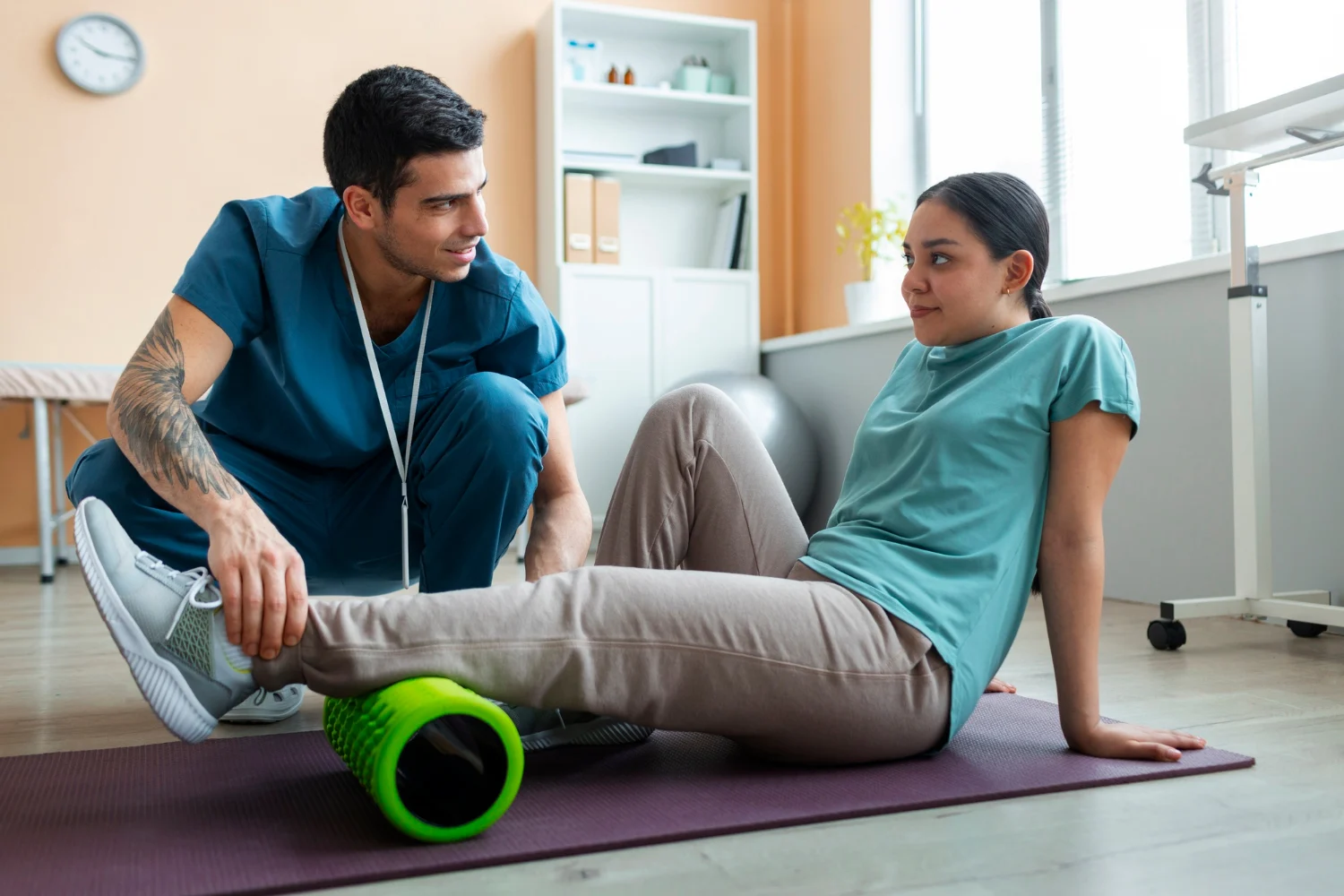
- Phase 2: Restoring Range of Motion Once swelling subsides, our physiotherapists in Pune use manual therapy and gentle stretching to prevent joint stiffness and ensure the limb can move through its full natural path.
- Phase 3: Strength and Proprioception Healing tissue is often weak. We use progressive resistance training to rebuild muscle. Crucially, we focus on proprioception, retraining the body’s ability to sense movement and position, which is vital for balance on the field.
- Phase 4: Sport-Specific Conditioning The final stage involves drills that mimic your specific sport. Whether it is jumping, sprinting, or swinging a bat, we ensure your body can handle the "real-world" stresses of competition before clearing you for play.
Advanced Technology at Our Physiotherapy Center
Lokmanya Hospital features a world-class physiotherapy center in Pune equipped with tools designed for athletes:
- Shockwave Therapy: To treat chronic tendon issues and accelerate tissue repair.
- Kinesiology Taping: To provide support to muscles and joints without restricting motion.
- Gait Analysis: Using high-speed cameras to identify biomechanical flaws in your running or walking form that may lead to injury.
Tips for Preventing Sports Injuries
The best way to stay in the game is to prevent the injury before it happens:
- Dynamic Warm-Ups: Instead of static stretching, use active movements (like lunges or high knees) to prepare your muscles for activity.
- Gradual Progression: Follow the "10% rule" never increase your distance, weight, or intensity by more than 10% per week.
- Cross-Train: Engaging in different types of exercise prevents the repetitive strain that causes overuse injuries.
- Listen to "Niggles": Don't play through persistent minor pain. A small ache today can become a major tear tomorrow.
- Stay Hydrated and Nourished: Proper nutrition provides the building blocks for tissue repair and prevents fatigue-related accidents.
When to Consult a Sports Physiotherapist
Delayed treatment can turn an acute injury into a chronic problem. Visit Lokmanya Hospital, the best hospital for sports medicine in Pune, if:
- You experience a "popping" or "snapping" sound during activity.
- You are unable to put weight on a limb.
- There is significant swelling or bruising within the first hour of injury.
- The joint feels unstable or "gives way" during movement.
Why Choose Lokmanya Hospital for Sports Recovery
Lokmanya Hospital is a trusted name for orthopedic and sports excellence in Pune. We understand the athlete's mindset and the urgency to return to play. Our integrated team of orthopedic surgeons and sports therapists ensures that if surgery is required, your rehab starts immediately and follows the latest international protocols. With the best sports specialists in Pune, Lokmanya Hospital is your partner in achieving peak physical performance and long-term joint health.
Conclusion
Sports injury physiotherapy is a specialized discipline that focuses on the unique demands of the active body. It is not just about healing an injury but about correcting the biomechanical issues that led to the injury in the first place. At Lokmanya Hospital, we are dedicated to providing the elite diagnostics and advanced rehabilitation programs needed to help you reclaim your speed, strength, and agility.
By combining evidence-based therapy with sport-specific conditioning, we ensure that your return to the game is safe, effective, and permanent. For the best sports physiotherapy in Pune, consult the experts at Lokmanya Hospital today. Let us help you break through your limits and get back to doing what you love.
FAQs
- How soon after an injury should I start physiotherapy?
For most soft-tissue injuries, starting gentle rehab within 48 to 72 hours helps prevent stiffness and speeds recovery. - Is physiotherapy better than surgery for sports injuries?
Many injuries, like minor meniscus or ligament tears, can be fully managed with physiotherapy alone. - What is the difference between regular and sports physiotherapy?
Sports physiotherapy focuses specifically on high-demand movements and returning patients to athletic performance levels. - Does Lokmanya Hospital treat ACL injuries?
Yes, we provide comprehensive pre-operative and post-operative ACL reconstruction rehabilitation. - Can physiotherapy help improve my athletic performance?
Yes, through gait analysis and strength balancing, physiotherapy helps improve efficiency and movement mechanics. - What is "Kinesio taping"?
It is a specialized taping technique that supports muscles, reduces pain, and improves lymphatic drainage without restricting movement. - How long does a typical sports rehab session last?
Sessions usually last between 45 to 60 minutes, depending on the stage of recovery. - Can I continue training while in physiotherapy?
Often yes; your therapist will guide you through modified activities to maintain fitness while healing. - What causes most sports injuries?
Most injuries result from inadequate warm-ups, poor technique, or sudden increases in training intensity. - Does Lokmanya Hospital offer shockwave therapy?
Yes, shockwave therapy is available for chronic conditions such as plantar fasciitis and tennis elbow. - Why do I need balance training for an ankle sprain?
Ankle sprains damage proprioceptive nerves, and balance training helps retrain the brain-foot connection. - Is it normal to have some pain during sports rehab?
Mild discomfort is normal during strengthening, but sharp or worsening pain should be reported immediately. - Can teenagers receive sports physiotherapy?
Yes, we follow specialized rehabilitation protocols designed for growing athletes in Pune. - What is "dry needling"?
It is a technique using thin needles to release muscle trigger points and reduce tightness during recovery. - Who is the best sports physiotherapist in Pune?
Lokmanya Hospital features highly experienced sports physiotherapists treating both amateur and elite athletes.
Previous blog

What Is the Treatment for Gallbladder Sludge?
Next blog