Bone Pain In Winter
Category: Rheumatology
 Tue Nov 25 2025


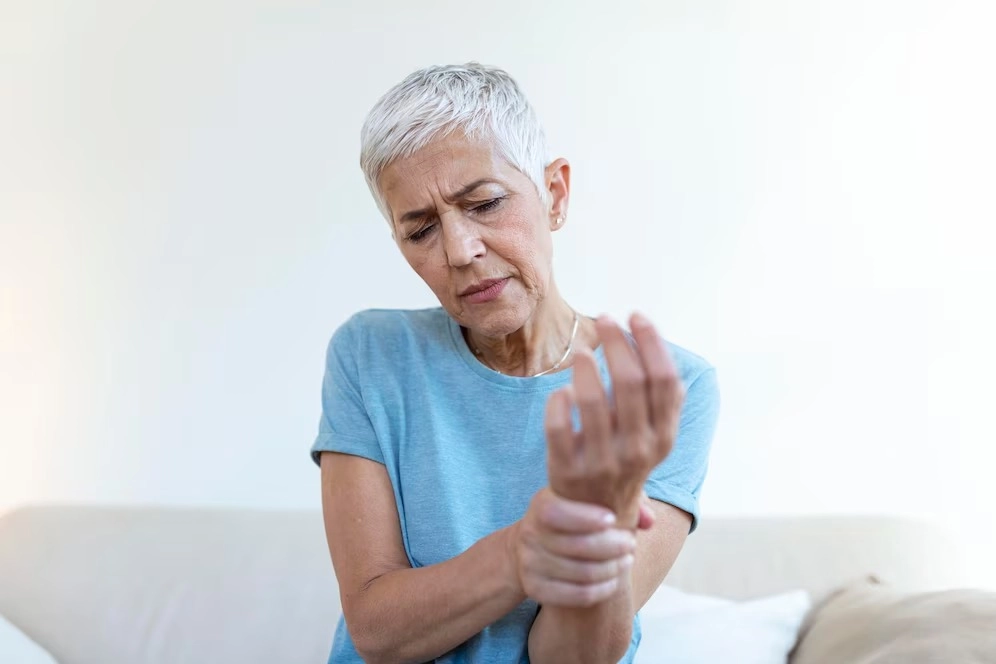
As temperatures drop, many individuals begin to experience a deep, persistent ache in their bones — especially in the knees, hips, spine, and shoulders. This discomfort is more than just a seasonal nuisance; it often signals how cold weather affects circulation, joint fluid viscosity, and musculoskeletal tension. For those with arthritis, osteoporosis, or past injuries, winter can significantly amplify bone-related pain and stiffness.
To manage these seasonal flare-ups effectively, Lokmanya Hospital offers specialised bone pain treatment in Pune, combining advanced diagnostics with personalised care. With access to an experienced bone pain doctor in Pune, patients receive targeted support that addresses both environmental triggers and underlying bone conditions.
How Cold Weather Affects Bone Health
Winter introduces a combination of physiological stressors that can aggravate bone and joint discomfort. Understanding these mechanisms helps in both prevention and treatment.
- Reduced Blood Circulation
Cold temperatures cause blood vessels to constrict, limiting oxygen and nutrient delivery to bones and joints, which can increase pain sensitivity. - Tightened Muscles and Ligaments
Muscles and connective tissues contract in response to cold, placing additional pressure on bones and reducing joint flexibility. - Barometric Pressure Changes
Fluctuations in atmospheric pressure can cause joints to swell and become more painful, particularly in individuals with arthritis or old injuries. - Vitamin D Deficiency
Limited sun exposure during winter reduces vitamin D synthesis, which is essential for calcium absorption and bone strength. - Sedentary Lifestyle
Cold weather often discourages physical activity, weakening the muscles that support bone structure and increasing stiffness.
Who Is Most at Risk of Winter Bone Pain?
- Older Adults
Age-related bone density loss and joint degeneration make seniors more vulnerable to cold-induced pain. - People with Arthritis or Osteoporosis
Chronic conditions like osteoarthritis, rheumatoid arthritis, and osteoporosis often worsen in winter due to inflammation and reduced mobility. - Individuals Recovering from Fractures or Surgeries
Healing bones and joints are more sensitive to temperature changes and may require extra care during colder months. - Those with Vitamin D or Calcium Deficiency
Nutritional gaps can weaken bones and increase susceptibility to pain and injury.
Practical Ways to Reduce Bone Pain in Winter
- Stay Warm and Insulated
Dress in thermal layers, use heating pads, and avoid direct exposure to cold surfaces to maintain joint flexibility. - Incorporate Low-Impact Exercise
Activities like walking, swimming, or yoga help maintain muscle tone and reduce stiffness without straining the joints. - Hydrate Regularly
Even in winter, adequate water intake is essential for joint lubrication and overall musculoskeletal health. - Boost Nutritional Intake
Include calcium-rich foods, vitamin D supplements, and anti-inflammatory ingredients like turmeric and leafy greens in your diet. - Use Supportive Footwear and Cushions
Proper shoes and ergonomic seating reduce pressure on weight-bearing joints and improve posture. - Schedule Preventive Check-Ups
Regular assessments help detect early signs of bone degeneration and allow timely intervention.
How Lokmanya Hospital Treats Bone Pain in Winter
Lokmanya Hospital is a leading provider of bone pain treatment in Pune, offering a multidisciplinary approach that integrates orthopaedics, rheumatology, physiotherapy, and nutrition. Their team focuses on identifying the root cause of pain and tailoring treatment to each patient’s age, condition, and lifestyle.
Whether you're dealing with arthritis, recovering from an injury, or experiencing unexplained winter discomfort, Lokmanya Hospital stands out as a trusted bone pain hospital in Pune, equipped with advanced imaging, bone density testing, and personalised rehabilitation programs to restore comfort and mobility.
Conclusion
Bone pain in winter isn’t just a seasonal inconvenience — it’s a signal that your body needs attention. Ignoring persistent discomfort can lead to reduced mobility, poor posture, and long-term joint damage. The good news is that with the right care, winter-related bone pain is manageable.
If you're struggling with stiffness, aches, or reduced movement, Lokmanya Hospital connects you with a skilled bone pain doctor in Pune who can guide you through a personalised treatment plan. With expert support and proactive care, you can stay active and pain-free all season long.
FAQs
- Why does bone pain increase during winter?
Cold weather reduces circulation and tightens muscles, increasing pressure on bones and joints. - Can arthritis flare up more in winter?
Yes, arthritis symptoms often worsen due to cold temperatures, low barometric pressure, and inactivity. - Is vitamin D important for bone health in winter?
Absolutely. Reduced sunlight can lead to vitamin D deficiency, affecting calcium absorption and bone strength. - What type of exercise is safe for winter bone pain?
Low-impact activities like walking, yoga, and swimming help maintain flexibility and reduce stiffness. - Do heating pads help with bone pain?
Yes, applying heat improves blood flow, relaxes muscles, and reduces joint stiffness. - Can dehydration affect bone and joint health?
Yes, inadequate hydration reduces joint lubrication and may increase friction and discomfort. - When should I see a doctor for bone pain?
If pain persists, worsens, or limits your daily activities, consult a specialist for evaluation. - Does Lokmanya Hospital offer bone density testing?
Yes, bone health assessments are part of their comprehensive orthopaedic and rheumatology services.
Previous blog

Winter Skin Allergies: Causes, Symptoms & Treatment
Next blog