What Is Knock Knee?
Category: Orthopedics
 Tue Nov 11 2025


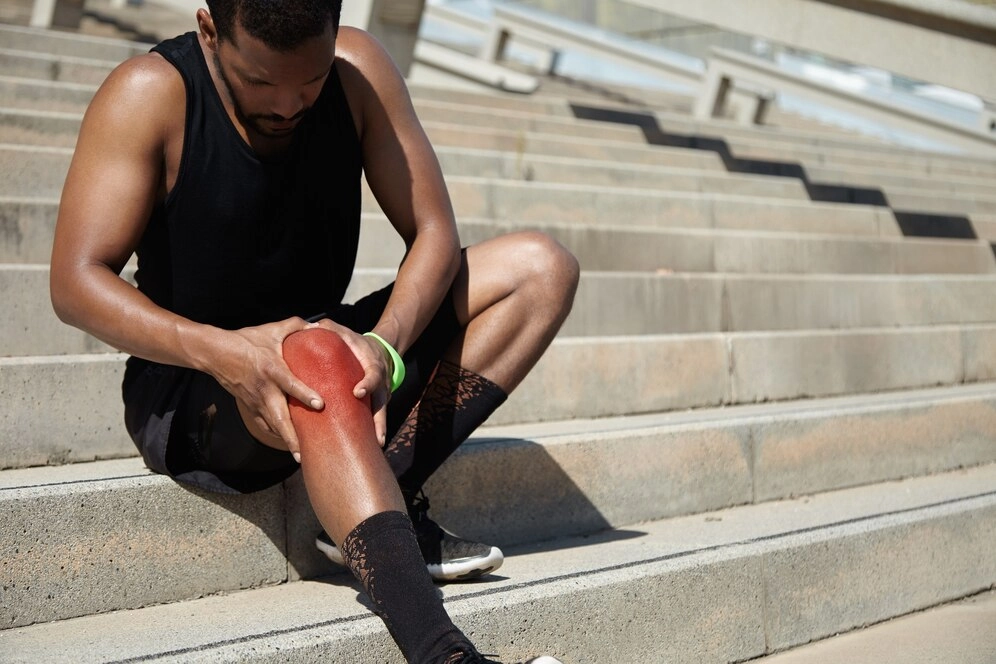
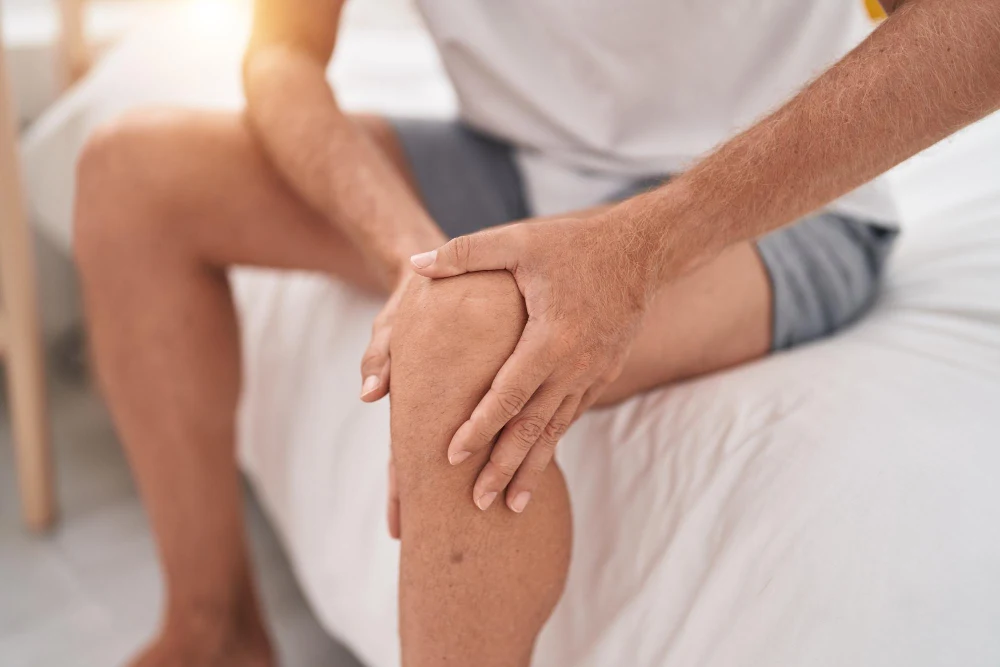
Knock knee, medically known as genu valgum, is a condition where the knees angle inward and touch each other while the ankles remain apart. It is commonly observed in children as part of normal growth, but in some cases, it persists into adolescence or adulthood, causing discomfort, imbalance, or difficulty in walking. Knock knee can result from genetic factors, nutritional deficiencies, injury, or underlying medical conditions such as rickets or arthritis.
At Lokmanya Hospitals, patients in Pune receive expert evaluation and treatment for knock knee under the guidance of experienced orthopedic specialists. The hospital combines advanced diagnostic tools, personalized treatment plans, and innovative surgical and non-surgical techniques to correct knee alignment. Recognized as one of the best orthopedic hospitals in India, Lokmanya Hospitals ensures holistic care, helping patients regain proper posture, mobility, and overall quality of life.
Causes of Knock Knee
Knock knee, or genu valgum, can develop due to a variety of factors ranging from genetics to underlying medical conditions. Understanding the causes helps in timely diagnosis and effective treatment planning.
- Genetics: Family history can play a key role in knock knee development. Children with parents who had knock knees are more likely to develop similar alignment issues due to inherited bone growth patterns.
- Growth Abnormalities: Uneven growth of the thigh (femur) or shin (tibia) bones during childhood may cause the knees to angle inward. While mild misalignments may correct naturally with growth, severe imbalances can persist.
- Nutritional Deficiencies: Lack of essential nutrients such as vitamin D or calcium weakens bones and can lead to deformities. Rickets, a condition caused by vitamin D deficiency, is a common contributor to knock knee in children.
- Injury or Trauma: Previous fractures or injuries to the knee, thigh, or lower leg may disrupt normal bone growth or healing, leading to inward angling of the knees.
- Medical Conditions: Certain diseases, including rickets, arthritis, or metabolic bone disorders, can alter bone structure and alignment, increasing the risk of knock knee.
Symptoms of Knock Knee
Identifying symptoms early is crucial for intervention and preventing long-term complications. Symptoms may vary depending on the age of the patient and the severity of the condition.
- Knees That Touch While the Ankles Are Apart: The most visible sign is inward-angled knees that meet or nearly meet when standing, with feet and ankles remaining apart.
- Abnormal Walking Pattern or Gait: Knock knee can cause a distinctive gait, sometimes a waddling motion, due to misalignment affecting balance and posture.
- Knee or Hip Pain: Misaligned knees place extra stress on joints, leading to pain in the knees, hips, or lower back, particularly after long periods of standing or walking.
- Difficulty in Running or Sports: Misalignment can reduce agility and make running, jumping, or playing sports more challenging, increasing the risk of injuries.
- Early Onset Joint Discomfort: In severe cases, knock knee may accelerate wear and tear on the knees, potentially leading to early arthritis or chronic joint pain.
Diagnosis of Knock Knee
Proper diagnosis ensures the most effective treatment and prevents complications. Orthopedic specialists use a combination of physical assessments and imaging studies.
- Physical Examination: Doctors measure the angle of the knees, evaluate leg alignment, and assess walking patterns to determine severity.
- X-Rays: Radiographs provide a clear image of bone structure, alignment, and any deformities, helping to decide whether intervention is needed.
- CT or MRI (If Required): Advanced imaging may be recommended to examine cartilage, ligaments, and other joint structures in detail, especially for complex or severe cases.
Treatment Options for Knock Knee
Treatment is tailored to the patient’s age, severity, and the underlying cause. Options range from non-surgical methods to corrective surgery in severe cases.
- Observation: In young children with mild knock knee, the condition may self-correct as bones grow. Regular monitoring ensures timely intervention if necessary.
- Physical Therapy: Exercises focusing on leg, thigh, and hip muscles improve strength, balance, and posture, reducing joint strain and preventing progression.
- Orthotic Devices: Braces, knee supports, or custom shoe inserts can help improve alignment and provide stability, particularly for children and mild adult cases.
- Surgical Intervention: Severe cases or adults unresponsive to conservative measures may require surgeries such as osteotomy or guided growth procedures. Surgery realigns bones, restores joint biomechanics, and is often followed by physiotherapy for optimal recovery.
Why Choose Lokmanya Hospitals for Knock Knee Treatment
Lokmanya Hospitals is a leading center for orthopedic care, offering advanced treatment for knock knee under the supervision of highly skilled orthopedic specialists. The hospital uses state-of-the-art imaging and surgical techniques to assess and correct knee deformities accurately. Every patient receives a personalized treatment plan based on age, severity, and overall health.
The hospital also emphasizes comprehensive post-treatment care, including physiotherapy and rehabilitation programs to restore mobility and strengthen muscles around the knee. Recognized as one of the best hospitals for orthopedic surgery in India, Lokmanya Hospitals ensures that patients not only achieve proper knee alignment but also maintain long-term joint health and functional movement.
Conclusion
Knock knee is a common but manageable condition that can affect posture, mobility, and joint health if left untreated. Early diagnosis, personalized treatment, and proper rehabilitation are key to achieving optimal outcomes.
Choosing Lokmanya Hospitals ensures access to experienced orthopedic specialists, advanced imaging and surgical techniques, and holistic post-treatment care. With a focus on correcting knee alignment and improving mobility, patients can enjoy a pain-free, active lifestyle and long-term joint health.
FAQs
1. What is knock knee?
Knock knee, or genu valgum, is a condition where the knees angle inward and touch while the ankles remain apart.
2. At what age does knock knee usually appear?
It is most common in children aged 2–5 and often corrects naturally by age 7–8. Persistent cases may continue into adolescence or adulthood.
3. What causes knock knee in adults?
Adult knock knee can result from previous injuries, arthritis, bone deformities, or underlying medical conditions affecting bone growth.
4. Can knock knee be treated without surgery?
Yes, mild cases can be managed with physical therapy, exercises, and orthotic devices. Surgery is only recommended for severe or persistent cases.
5. How long is the recovery after knock knee surgery?
Arthroscopy recovery time or recovery after corrective surgery varies but usually takes 6–12 weeks with proper physiotherapy.
6. What are the risks of untreated knock knee?
Untreated knock knee may lead to joint pain, early onset arthritis, abnormal gait, and difficulty performing daily activities or sports.
7. How is knock knee diagnosed?
Diagnosis involves physical examination, measurement of knee angles, and imaging tests like X-rays, CT, or MRI to evaluate bone and joint health.
8. Why choose Lokmanya Hospitals for knock knee treatment?
The hospital provides expert orthopedic care, advanced imaging and surgical techniques, and personalized rehabilitation, making it one of the best hospitals for orthopedic treatment in India.
Previous blog
How to Test for Arthritis in Hands?
Next blog