.webp)
What is Meningitis Disease?
Category: Neurology
 Thu Dec 11 2025


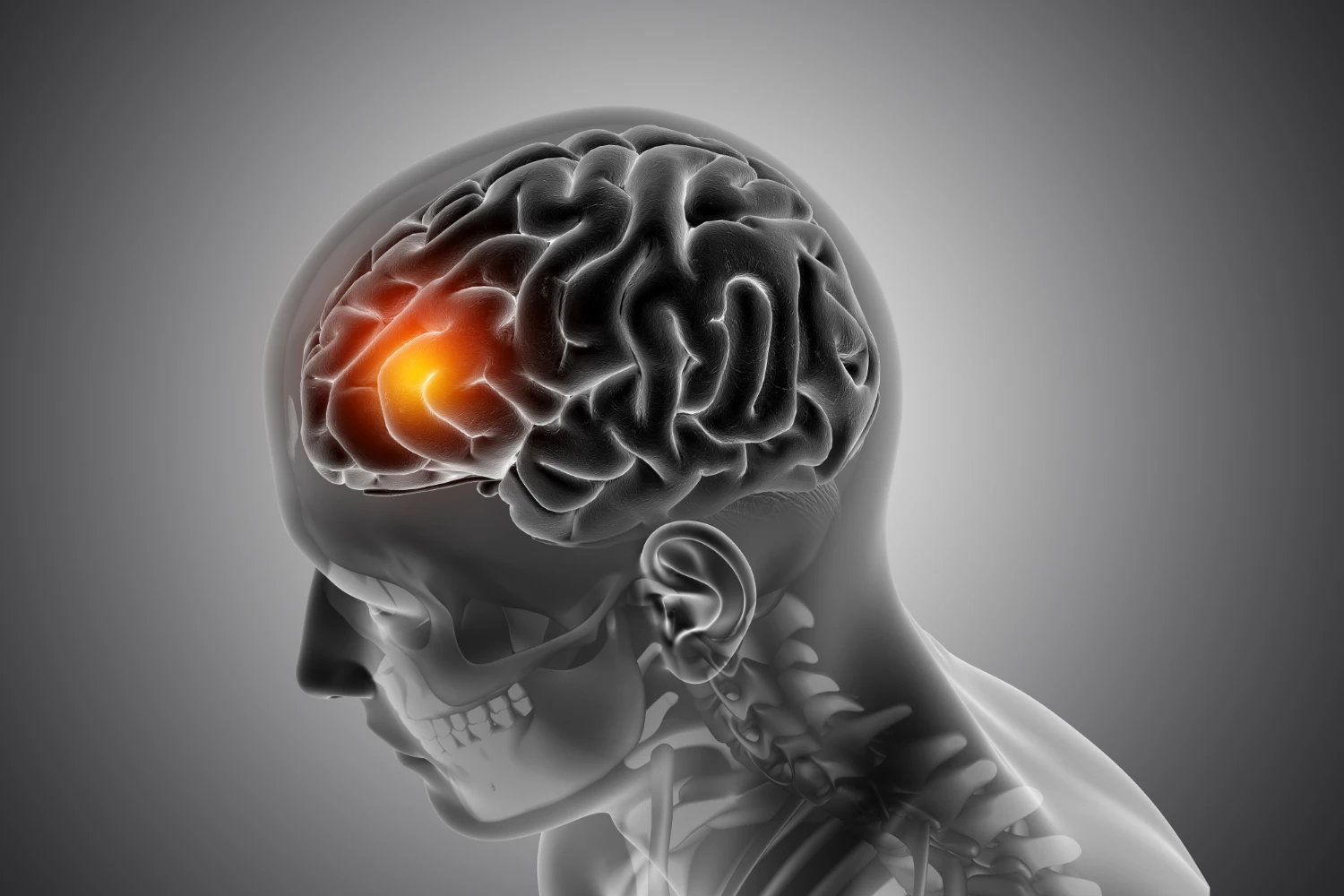
Meningitis disease is a serious neurological condition involving inflammation of the meninges, the protective membranes around the brain and spinal cord. This condition can be caused by bacterial, viral, or fungal infections and may lead to severe complications if not treated promptly. Early recognition of symptoms such as high fever, severe headache, stiff neck, and sensitivity to light is critical for effective treatment and preventing long-term neurological damage. Understanding what meningitis disease entails helps individuals and families take timely action, seek medical evaluation, and adopt preventive measures to safeguard their health.
At Lokmanya Hospital, we offer comprehensive evaluation and treatment for meningitis, ensuring that every patient receives specialised attention. As a centre known for neurology treatment in Pune, we guide patients through diagnosis, supportive care, and recovery while educating families on safety measures, vaccination, and early intervention to prevent severe outcomes.
Causes of Meningitis Disease
Meningitis can arise from multiple infectious agents, and recognising the cause is key to effective treatment.
Common Causes
- Bacterial infections:- Bacteria such as Neisseria meningitidis, Streptococcus pneumoniae, and Haemophilus influenzae can trigger severe meningitis requiring immediate attention.
- Viral infections:- Viruses including enteroviruses, mumps, and influenza may cause viral meningitis, often milder but still requiring monitoring.
- Fungal infections:- Rare but possible in immunocompromised individuals, fungal meningitis demands specialised treatment.
- Parasitic and other infections:- Less common, but parasitic infections can lead to inflammation of the meninges in certain regions.
Early Signs and Symptoms
Recognising the early symptoms of meningitis disease is crucial to prevent serious neurological complications.
- Severe headache:- Sudden and persistent, often different from typical headaches.
- Stiff neck:- Difficulty or pain while moving the neck is a classic symptom.
- Fever and chills:- Rapid onset of high temperature accompanied by general malaise.
- Nausea and vomiting:- Commonly seen along with headache and fever.
- Sensitivity to light and sound:- Patients may experience discomfort in bright or noisy environments.
Early identification allows timely consultation with a neurology doctor in Pune for accurate diagnosis and care.
How Meningitis Disease Affects the Body
Meningitis disease can impact multiple body systems and may lead to serious complications if untreated.
- Neurological deficits:- Inflammation may damage brain tissue, resulting in cognitive or motor impairments.
- Seizures:- Severe cases may involve abnormal electrical activity in the brain.
- Hearing loss:- Bacterial meningitis can affect auditory nerves, leading to temporary or permanent hearing issues.
- Organ impact:- High fever and systemic infection can affect other organs, necessitating hospital care.
Treatment of Meningitis Disease
Treatment depends on identifying the type of meningitis and managing symptoms effectively.
- Antibiotics or antivirals:- Bacterial meningitis requires prompt antibiotics, while viral infections may need supportive care.
- Supportive care:- Hydration, fever management, and monitoring vital signs are essential.
- Neurological monitoring:- Continuous assessment of cognitive and motor functions ensures early detection of complications.
- Hospitalisation:- Severe cases require ICU care for intensive monitoring and rapid intervention.
Why Choose Lokmanya Hospital for Meningitis Care?
At Lokmanya Hospital, our neurology specialists combine years of experience with advanced diagnostic tools to provide accurate evaluation and treatment for meningitis disease. Our team focuses on identifying the underlying cause—whether bacterial, viral, or fungal—to provide targeted care and minimise the risk of complications. Patients receive continuous monitoring and personalised treatment plans designed to address both immediate symptoms and long-term neurological health.
Being a leading neurology hospital in Pune, we prioritise patient safety, early intervention, and education. Families are guided on preventive measures, medication, and recovery strategies, ensuring comprehensive care. Our holistic approach helps patients recover faster while maintaining confidence in their neurological health, making Lokmanya Hospital a trusted centre for managing meningitis and other neurological conditions.
Conclusion
Meningitis disease is a serious neurological condition that requires timely intervention to prevent severe complications, including seizures, hearing loss, and cognitive impairment. Recognising early symptoms such as high fever, headache, stiff neck, nausea, and sensitivity to light or sound is critical to receiving effective care. Early diagnosis allows for targeted treatment, reducing the risk of long-term effects and improving recovery outcomes.
At Lokmanya Hospital, our experienced neurology team in Pune provides specialised care, including accurate evaluation, effective treatment, and patient education. We ensure families are informed about preventive measures and ongoing monitoring, helping to minimise the risk of future complications. Our focus on personalised, holistic care makes us a reliable choice for treating meningitis disease while supporting patients through every step of recovery.
FAQs
1. What is meningitis disease?
Meningitis disease is inflammation of the protective membranes covering the brain and spinal cord, often caused by bacterial, viral, or fungal infections.
2. How is meningitis transmitted?
Bacterial and viral forms can spread through close contact, respiratory droplets, or sharing personal items.
3. Is meningitis dangerous?
Yes, especially bacterial meningitis, which can cause serious neurological complications if not treated promptly.
4. How soon should I seek medical care?
Seek immediate medical attention if you experience severe headache, stiff neck, fever, or nausea.
5. Can meningitis be prevented?
Vaccination, good hygiene, and avoiding contact with infected individuals reduce the risk.
6. What is the treatment at Lokmanya Hospital?
Treatment includes antibiotics, antivirals, supportive care, and neurological monitoring tailored to each patient’s condition.
7. Can children get meningitis more easily?
Yes, infants and young children are at higher risk, making vaccination and early diagnosis essential.
8. Are there long-term effects of meningitis?
If untreated or severe, meningitis can lead to hearing loss, seizures, or cognitive deficits. Early intervention prevents most complications.
 (2) (1).webp)
.webp)