What Is Encephalitis?
Category: Neurology
 Thu Dec 11 2025


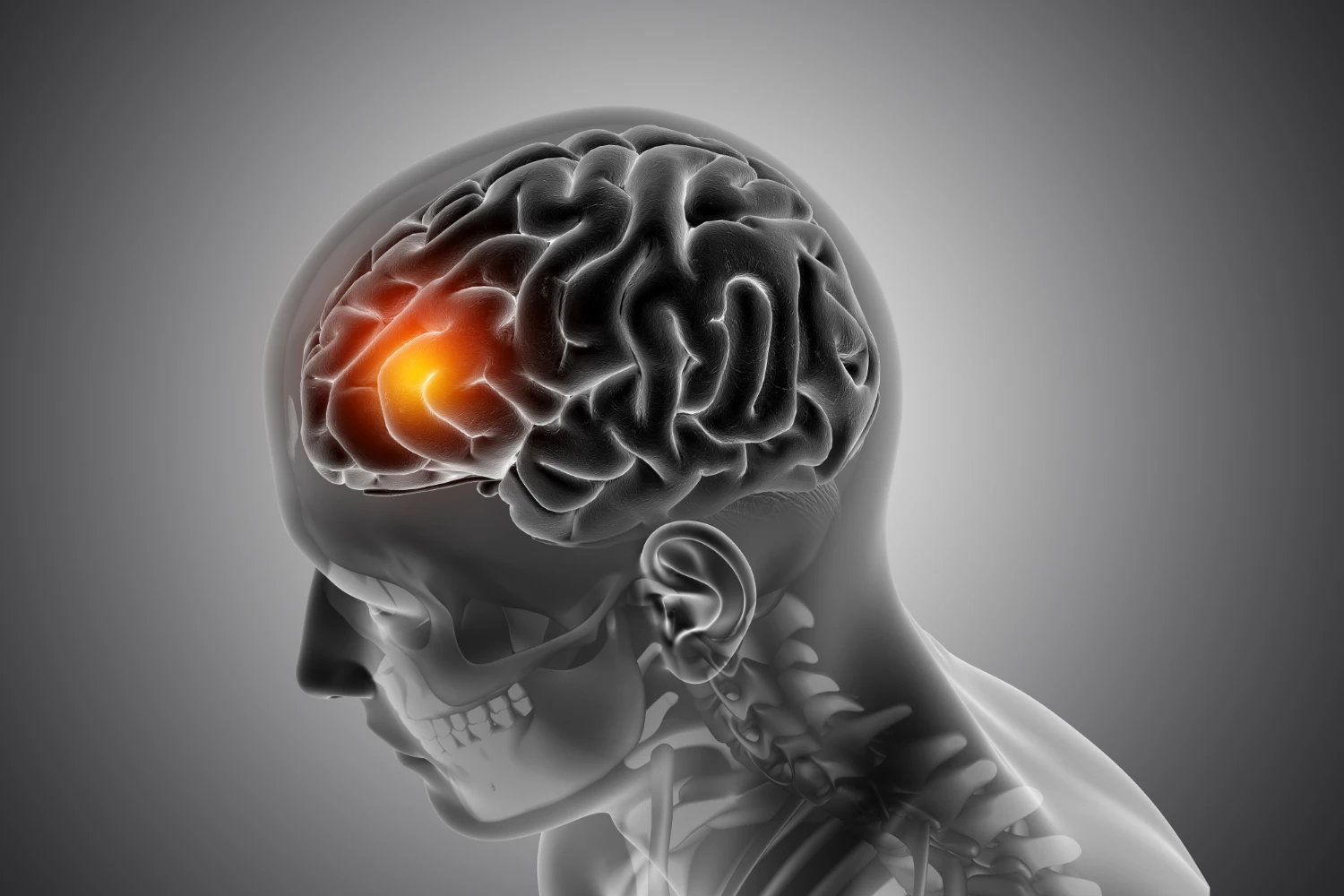
Encephalitis is a serious neurological condition that involves inflammation of the brain, often caused by viral infections or autoimmune reactions. The condition can affect brain function and lead to symptoms like high fever, severe headache, confusion, seizures, or changes in behaviour. Early recognition is critical, as delayed intervention can result in long-term cognitive or neurological complications. Understanding the signs, risk factors, and the importance of specialised care helps families act quickly to protect their loved ones’ neurological health.
At Lokmanya Hospital, we provide comprehensive evaluation and treatment for encephalitis, ensuring patients receive timely care from experienced specialists. As a leading centre for neurology treatment in Pune, our team guides families through diagnosis, personalised therapy, and preventive strategies. With a focus on patient safety, early intervention, and long-term recovery, we ensure that encephalitis is managed effectively while minimising potential complications.
Who is at Risk of Encephalitis?
Encephalitis can affect anyone, but certain groups are more vulnerable.
- Children and infants:- Their developing immune systems make them more susceptible to viral infections that can trigger encephalitis.
- Elderly individuals:- Age-related immune decline increases the risk of severe infection and complications.
- Immunocompromised patients:- Those with weakened immunity due to illness, medication, or conditions like HIV are at higher risk.
- Geographical and seasonal factors:- Certain viruses, such as West Nile or Japanese encephalitis, are more prevalent in specific regions or seasons.
Recognising who is at risk helps families take early preventive measures, including vaccination and avoiding exposure to infections.
Early Warning Signs to Watch For
Timely detection of encephalitis is essential for effective treatment and reducing complications.
- Sudden high fever:- A rapid spike in body temperature that persists and worsens over time.
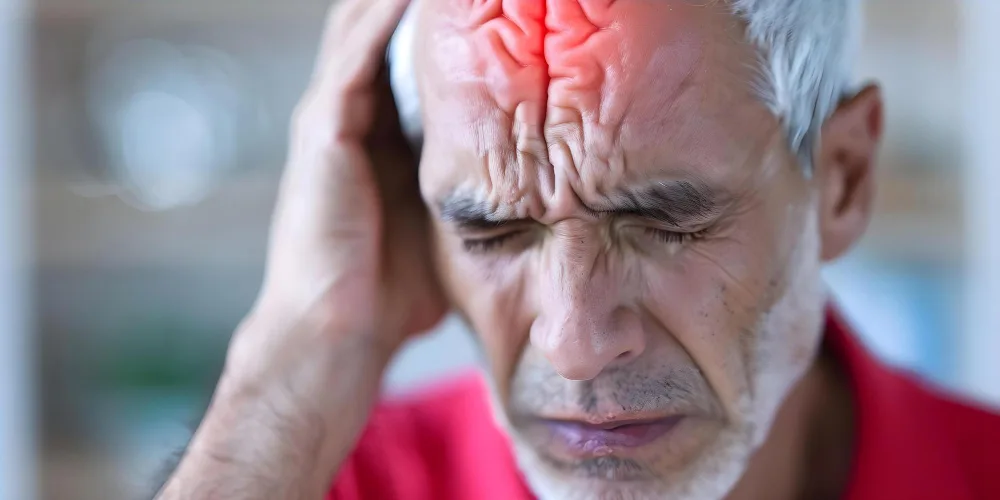
- Severe headache:- Headaches that are intense, unusual, and do not respond to standard pain relief.
- Confusion or behavioural changes:- Difficulty concentrating, memory lapses, irritability, or unusual behaviour.
- Seizures:- Sudden convulsions or abnormal movements may indicate inflammation in the brain.
- Sensitivity to light or sound:- Bright light or loud noises can cause discomfort and exacerbate symptoms.
If these symptoms appear, it is crucial to consult a neurology doctor in Pune immediately.
Treatment and Recovery
Managing encephalitis effectively depends on the cause and severity.
- Targeted medication:- Antiviral, antibacterial, or immunosuppressive therapy depending on the underlying cause.
- Supportive care:- Hydration, fever control, and monitoring of neurological functions.
- Hospitalisation and monitoring:- Severe cases require intensive observation to prevent complications.
- Rehabilitation:- Patients may need cognitive or physical therapy to restore full function.
Prompt treatment improves recovery outcomes and helps prevent long-term neurological damage.
Why Choose Lokmanya Hospital for Encephalitis Care?
At Lokmanya Hospital, we provide specialised care tailored to each patient’s needs. Our neurology team focuses on early diagnosis, accurate assessment of the type of encephalitis, and designing personalised treatment plans. Continuous monitoring, prompt intervention, and post-treatment support ensure that patients recover safely while minimising the risk of complications.
As a trusted neurology hospital in Pune, we also educate families about recognising early warning signs, preventive measures, and the importance of timely follow-ups. Our holistic approach ensures that patients receive complete care—from diagnosis and treatment to rehabilitation and long-term support—giving families peace of mind and improving overall outcomes.
Conclusion
Encephalitis is a serious neurological condition that requires immediate attention. Early recognition of symptoms such as high fever, severe headache, confusion, seizures, and behavioural changes is crucial to initiate timely treatment and prevent long-term complications.
At Lokmanya Hospital, our experienced neurology team in Pune provides expert diagnosis, personalised treatment, and continuous monitoring for patients with encephalitis. By combining early intervention, expert care, and family education, we ensure optimal recovery and long-term neurological health. With the right care and support, most patients can recover effectively while minimising the risk of lasting complications.
FAQs
1. Who is most at risk of encephalitis?
Children, the elderly, and immunocompromised individuals are more susceptible to encephalitis.
2. What are the early warning signs?
High fever, severe headache, confusion, seizures, and sensitivity to light or sound.
3. Can encephalitis be cured?
Yes, with timely diagnosis and proper treatment, most cases recover without long-term complications.
4. How is encephalitis diagnosed?
Blood tests, imaging, cerebrospinal fluid analysis, and neurological assessments help identify the cause.
5. Are viral forms contagious?
Some viral encephalitis infections can spread, but autoimmune or bacterial forms are not usually contagious.
6. What treatments are available at Lokmanya Hospital?
Treatment includes targeted medication, supportive care, hospitalisation if needed, and rehabilitation.
7. Can encephalitis cause long-term effects?
Delayed treatment may lead to cognitive, motor, or behavioural issues, but early intervention prevents most complications.
8. How can families prevent encephalitis?
Vaccination, good hygiene, avoiding exposure to infections, and early recognition of symptoms reduce the risk.
Previous blog
 (1).webp)
How To Deal With A Hyperactive Child At Home
Next blog
.webp)