What is Colitis: Understanding Its Causes, Symptoms, and Cure
Category: General medicine
 Mon Oct 27 2025


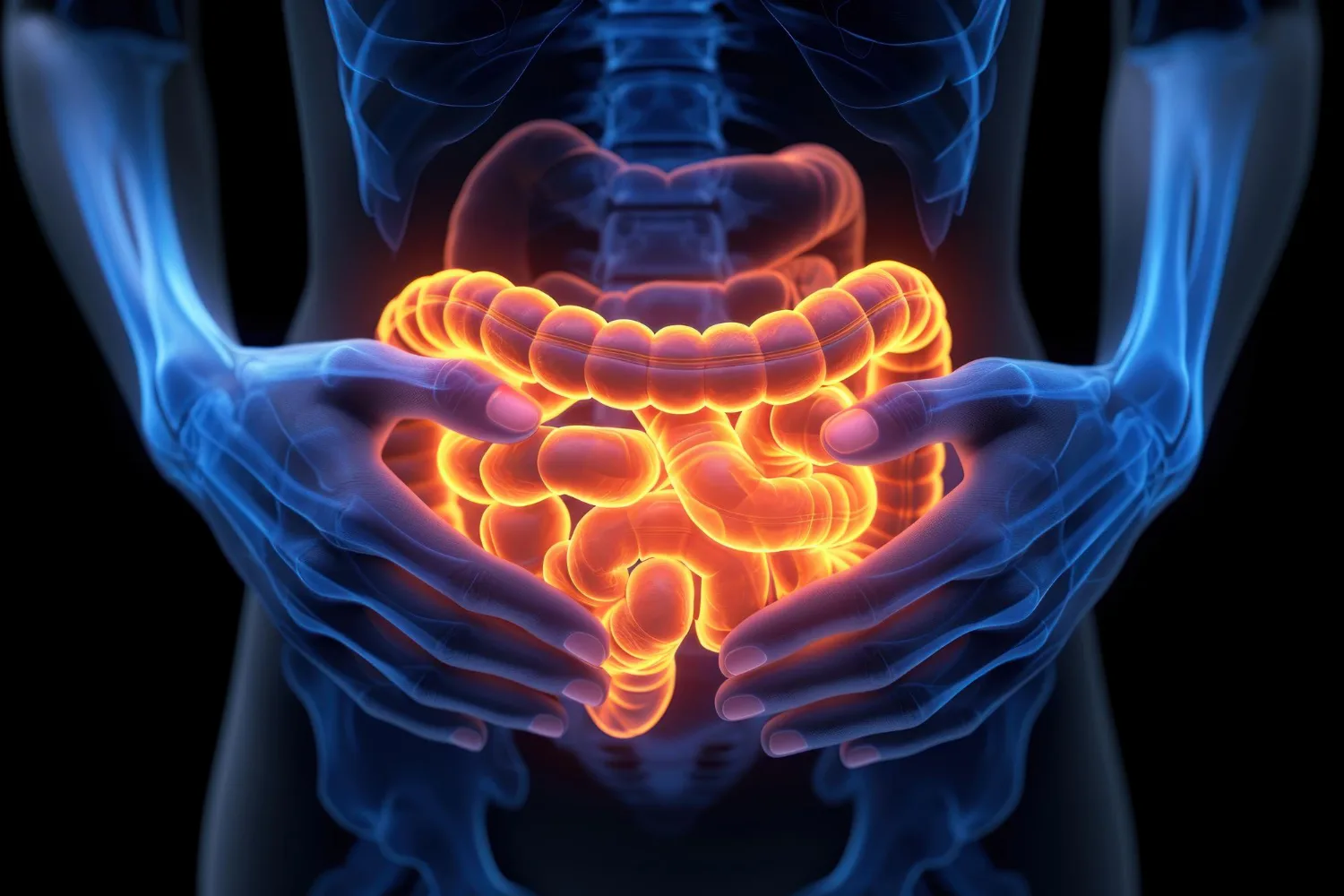
Colitis is a condition that causes inflammation of the inner lining of the colon (large intestine), leading to pain, discomfort, and digestive issues. The severity and type of colitis can vary, from mild irritation to serious inflammation that requires medical care. Common colitis symptoms include abdominal pain, diarrhea (sometimes with blood), bloating, and fatigue. The condition may develop suddenly (acute colitis) or persist long-term due to underlying causes like infections, autoimmune disorders, or inflammatory bowel disease (IBD).
At Lokmanya Hospital, patients receive expert care for colitis treatment under the supervision of highly experienced gastroenterologists. Recognized as one of the best gastroenterologist hospitals in Pune, Lokmanya offers precise diagnosis, advanced therapies, and personalized treatment plans tailored to each patient’s condition. With a patient-focused and evidence-based approach, the hospital ensures long-term digestive wellness and effective management of chronic or acute colitis.
What Causes Colitis?
Colitis can occur for various reasons, and identifying the cause is essential for effective treatment. The most common causes include:
- Infections (Infectious Colitis): Caused by bacteria, viruses, or parasites that inflame the colon lining.
- Autoimmune Response: Seen in conditions like ulcerative colitis, where the immune system mistakenly attacks healthy intestinal tissue.
- Ischemic Colitis: Occurs when blood flow to the colon is reduced due to blocked arteries.
- Medication Reactions: Long-term use of antibiotics, NSAIDs, or laxatives can irritate the colon.
- Food Allergies or Sensitivities: Certain foods or additives may trigger inflammation in sensitive individuals.
- Radiation Therapy: In some cancer treatments, radiation to the abdomen or pelvis can cause colitis.
What Are the Symptoms of Colitis?
The symptoms depend on the type and severity of the condition, but common signs include:
- Abdominal pain and cramping: Often in the lower abdomen and may worsen after meals.
- Persistent diarrhea: Sometimes accompanied by blood or mucus.
- Urgency to pass stool: Frequent or sudden bowel movements.
- Bloating and gas: Caused by inflammation and slowed digestion.
- Fatigue and weakness: Due to nutrient loss or dehydration.
- Fever: May indicate infection or severe inflammation.
- Unintended weight loss: Common in chronic or untreated cases.
If you notice these colitis symptoms lasting for more than a few days, it’s important to consult a gastroenterologist in Pune for timely diagnosis and treatment.
Diagnosis and Treatment of Colitis
Accurate diagnosis is essential to determine the type and severity of colitis. It helps doctors identify the underlying cause, whether infection, inflammation, or autoimmune response, and plan the most effective treatment accordingly.
1. Diagnosis
Doctors at Lokmanya Hospital use advanced diagnostic techniques to identify the cause and extent of colitis:
- Blood tests: To detect infection, inflammation, or anemia.
- Stool tests: To identify bacterial, viral, or parasitic infections.
- Colonoscopy: A visual examination of the colon using a camera-equipped tube.
- CT scan or MRI: To check for inflammation, blockages, or complications.
2. Treatment Options
Treatment for colitis depends on its cause and severity:
- Medication: Anti-inflammatory drugs, antibiotics, or corticosteroids to control inflammation.
- Dietary adjustments: Avoiding irritants such as dairy, spicy foods, and high-fat meals.
- Hydration and rest: To prevent dehydration and aid recovery.
- Surgery (in severe cases): For chronic or complicated colitis, surgery may be necessary to remove the affected part of the colon.
Why Choose Lokmanya Hospital for Colitis Treatment
Lokmanya Hospital stands out as a leading center for colitis and digestive disorder treatment in Pune, offering specialized care guided by experienced gastroenterologists. The hospital is equipped with state-of-the-art diagnostic technology, ensuring precise identification of the underlying cause of colitis for each patient.
With a multidisciplinary team that includes some of the best gastroenterologists in Pune, Lokmanya Hospital provides holistic care, combining medical management, diet counseling, and lifestyle guidance for long-term digestive health. From acute colitis management to chronic care, patients receive compassionate and comprehensive treatment focused on restoring comfort and improving quality of life.
Conclusion
Colitis is a manageable condition when diagnosed early and treated properly. Ignoring symptoms like persistent diarrhea, abdominal pain, or fatigue can lead to complications and chronic inflammation. Timely consultation with a specialist helps identify the root cause and ensures lasting relief.
At Lokmanya Hospital, patients benefit from expert diagnosis, modern facilities, and personalized care plans designed to promote healing and prevent recurrence. With its commitment to excellence and patient well-being, Lokmanya Hospital continues to be one of the most trusted names for gastrointestinal care in Pune.
Frequently Asked Questions (FAQs)
1. What is colitis?
Colitis is inflammation of the colon’s inner lining, often causing pain, diarrhea, and digestive discomfort.
2. What are the main causes of colitis?
It can result from infections, autoimmune diseases, poor blood flow, medications, or food allergies.
3. What are the symptoms of colitis?
Common symptoms include abdominal pain, diarrhea, bloating, fatigue, and blood in stools.
4. Can colitis be cured?
While some forms can be cured, chronic colitis may require long-term management to control symptoms.
5. Is colitis serious?
If untreated, colitis can lead to complications like dehydration, anemia, or bowel perforation.
6. How is colitis diagnosed?
Doctors may recommend blood tests, stool analysis, colonoscopy, or imaging scans to confirm diagnosis.
7. What foods should I avoid with colitis?
Avoid spicy, high-fat, and processed foods, as well as caffeine and alcohol.
8. Who treats colitis?
A gastroenterologist specializes in diagnosing and treating colitis and other digestive disorders.
Previous blog
Can Stomach Ulcers Be Cured?
Next blog