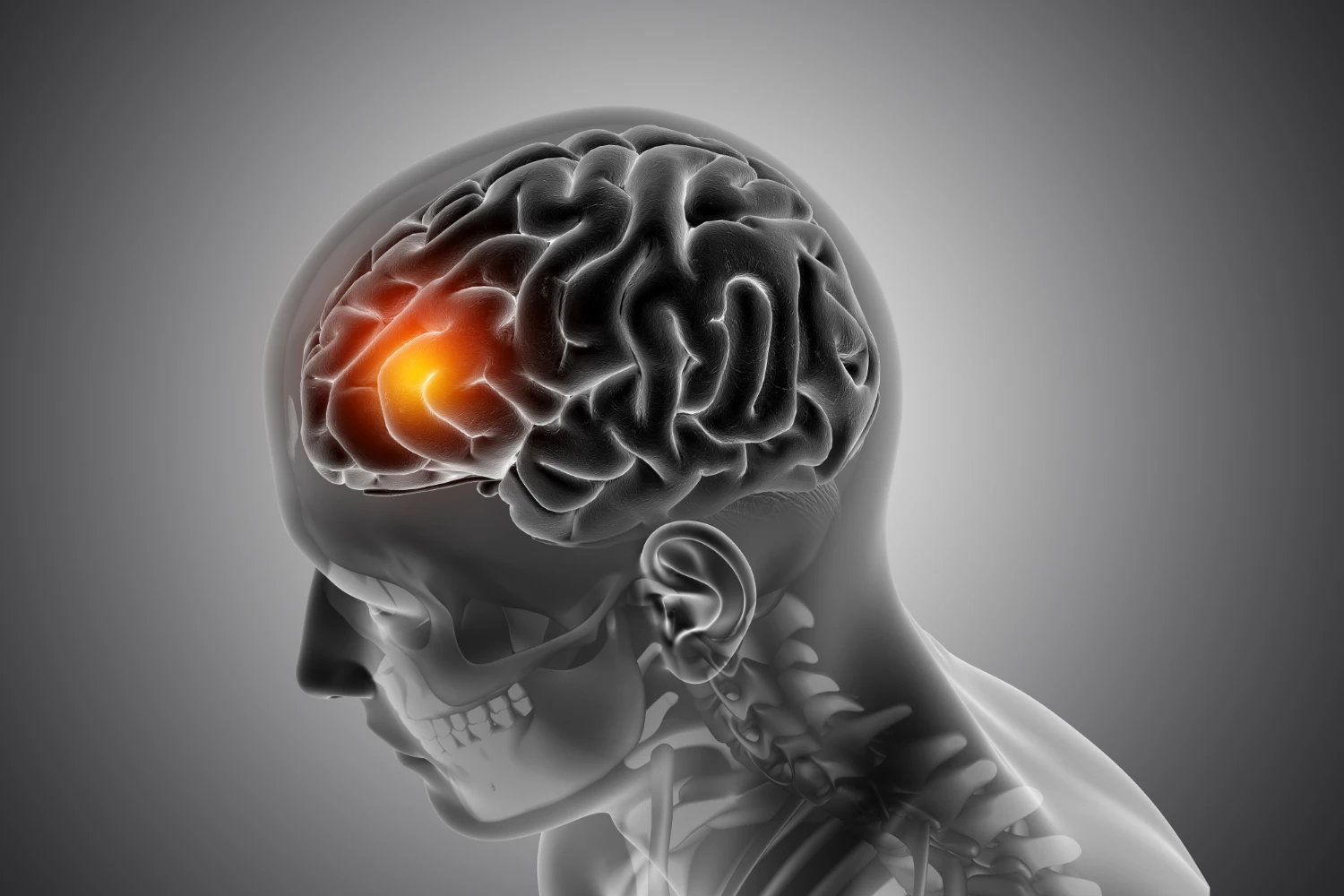
What is Brain Fever?
Category: Neurology
 Thu Dec 11 2025


Brain fever is a common term often used to describe inflammation of the brain caused by infections, which can affect mental alertness, neurological function, and overall health. The condition is serious and requires early recognition and medical intervention. Understanding what brain fever is, its causes, symptoms, and treatment is essential to prevent long-term complications and ensure timely care.
At Lokmanya Hospital, we provide comprehensive care for brain fever, including accurate diagnosis, treatment, and supportive neurological care. Our team of experts ensures patients receive specialised neurology treatment in Pune, guiding families through every step of recovery.
What Brain Fever Actually Means
The term “brain fever” is often used to refer to conditions such as encephalitis or meningitis, which involve inflammation of the brain tissue or its protective membranes. This inflammation can be caused by viruses, bacteria, or other infectious agents. Understanding the type of infection is crucial for effective management and to prevent complications such as seizures, neurological deficits, or cognitive impairment.
Causes of Brain Fever
Brain fever can result from several infectious and non-infectious causes. Identifying the underlying cause helps determine the treatment approach.
- Viral infections:- Viruses such as herpes simplex, Japanese encephalitis, or influenza can lead to brain inflammation.
- Bacterial infections:- Certain bacteria can cause brain fever, including those responsible for meningitis or sepsis-related complications.
- Other infections:- Fungal infections and parasitic infections, although less common, can also lead to inflammation of the brain.
- Complications from systemic infections:- Severe fever, immune response, or other systemic infections can trigger neurological symptoms resembling brain fever.
Early Signs and Symptoms
Recognising early symptoms is vital to prevent severe consequences and ensure timely neurological care.
- High fever:- Sudden onset of elevated temperature that may be accompanied by chills.
- Headache:- Persistent and intense headaches, often resistant to regular painkillers.
- Confusion or irritability:- Patients may appear disoriented, unusually sleepy, or restless.
- Seizures:- Sudden convulsions may occur in severe cases due to inflammation affecting brain activity.
- Sensitivity to light and sound:- Commonly experienced in patients with viral or bacterial brain infections.
Early recognition of these symptoms is important, and consultation with a neurology doctor in Pune is highly recommended.
How Brain Fever Affects the Body
Brain fever affects both physical and neurological functions.
- Neurological impairment:- Inflammation can damage brain tissue, leading to memory or coordination issues.
- Seizure activity:- Brain inflammation increases the risk of convulsions or abnormal brain activity.
- Systemic impact:- High fever and infection may affect multiple organs if untreated, potentially becoming life-threatening.
Immediate medical attention is critical to minimise these complications.
Treatment Options
Effective treatment depends on identifying the cause of brain fever and managing symptoms promptly.
- Medication:- Antiviral, antibacterial, or antifungal drugs depending on the infection type.
- Supportive care:- Hydration, fever control, and monitoring of vital signs to stabilise patients.
- Neurological monitoring:- Regular assessment of cognitive function, coordination, and reflexes to detect early complications.
- Hospitalisation:- Severe cases may require ICU care for intensive monitoring and rapid intervention.
Why Choose Lokmanya Hospital for Brain Fever Care?
At Lokmanya Hospital, our neurology team combines years of experience with advanced diagnostic tools to provide accurate evaluation and treatment for brain fever. Our specialists focus on early identification, cause-specific treatment, and supportive care to minimise long-term neurological complications.
As a trusted neurology hospital in Pune, we ensure patients receive personalised care plans and continuous monitoring throughout recovery. Our comprehensive approach helps families understand the condition, manage risks, and support patient recovery in a safe, professional environment.
Conclusion
Brain fever is a serious condition that requires timely attention to prevent complications such as seizures or neurological deficits. Recognising early symptoms like high fever, headache, confusion, or seizures is crucial. At Lokmanya Hospital, our experienced neurology team in Pune provides specialised care, accurate diagnosis, and effective treatment, ensuring patients recover safely while receiving guidance on prevention and ongoing neurological support. Early intervention remains the key to successful outcomes.
FAQs
1. What exactly is brain fever?
Brain fever is inflammation of the brain, often caused by viral or bacterial infections, affecting neurological and cognitive functions.
2. Is brain fever contagious?
Some types, like viral brain fever, can be contagious, while others depend on the underlying infection.
3. How soon should I seek treatment?
Immediate medical care is necessary if high fever, headache, confusion, or seizures appear.
4. Can brain fever cause permanent damage?
If untreated, it may lead to neurological deficits, seizures, or memory issues, highlighting the need for early care.
5. How is brain fever diagnosed?
Diagnosis involves neurological examination, blood tests, imaging, and sometimes cerebrospinal fluid analysis.
6. Can children get brain fever more often?
Yes, children and immunocompromised individuals are more susceptible to brain infections causing inflammation.
7. What is the treatment at Lokmanya Hospital?
Treatment includes medication, supportive care, neurological monitoring, and hospitalisation if needed, tailored to each patient’s condition.
8. Can brain fever be prevented?
Vaccination, hygiene, and early treatment of infections reduce the risk of brain fever.
Previous blog
 (1).webp)
.webp)