.webp)
Is Brain Fever Dangerous And Is It Curable?
Category: Neurology
 Thu Dec 11 2025


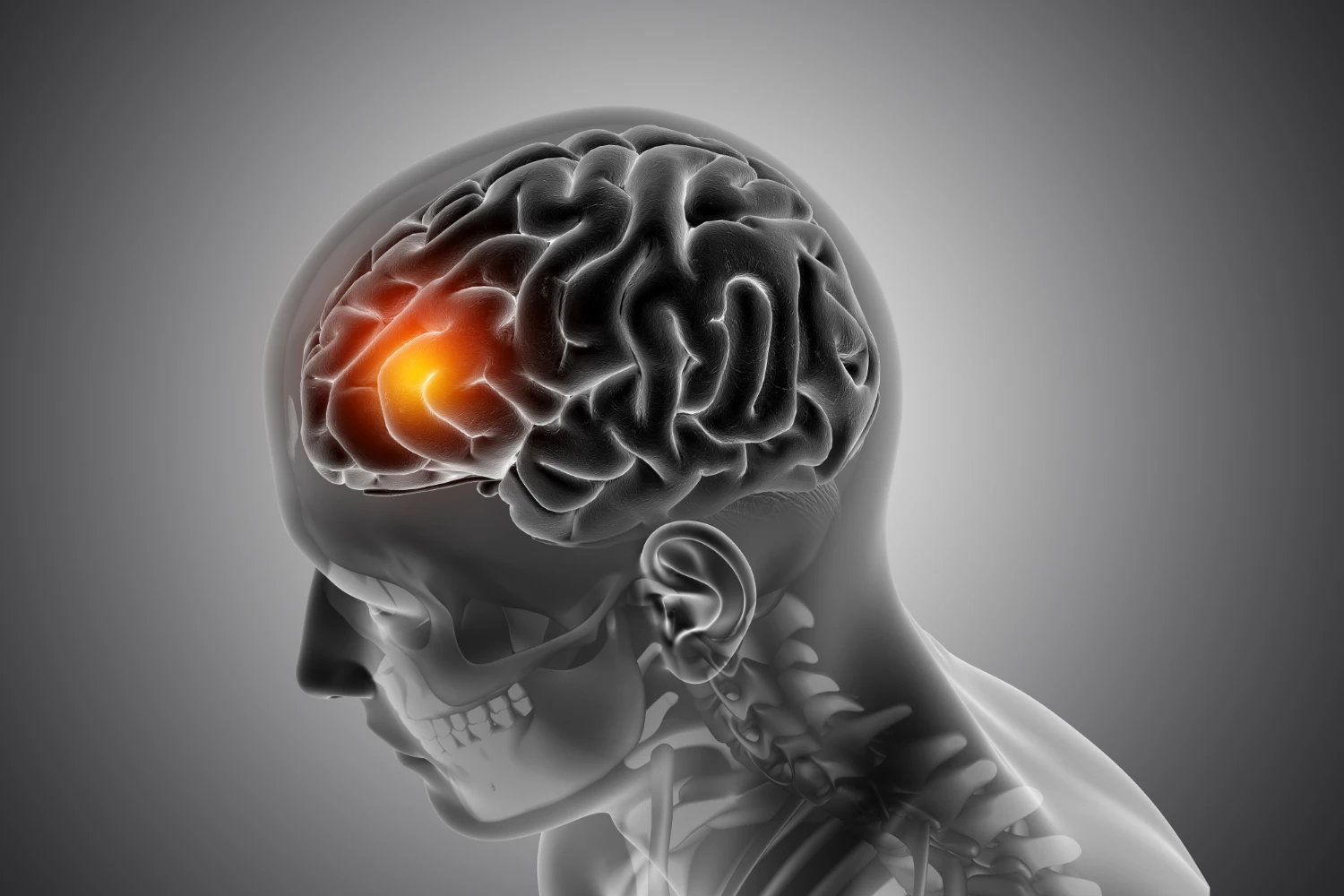
Brain fever is a term commonly used to describe inflammation of the brain, typically caused by viral, bacterial, or other infectious agents. The condition can be serious, leading to complications such as seizures, neurological deficits, or long-term cognitive issues if not recognised and treated promptly. Patients often experience symptoms like high fever, headache, confusion, vomiting, and sensitivity to light or sound, which may worsen rapidly without timely intervention. Understanding the severity of brain fever and its curability is essential for patients and families to take the right precautions and seek medical care.
At Lokmanya Hospital, we provide specialised evaluation and treatment for brain fever, ensuring patients receive expert care at every stage. As a leading centre for neurology treatment in Pune, our experienced team guides patients through accurate diagnosis, personalised therapy, and supportive care, while educating families on prevention, early recognition, and strategies to manage complications. Early intervention significantly improves recovery and reduces the risk of lasting neurological damage.
Understanding Brain Fever and Its Causes
Brain fever is not a single disease but a term describing brain inflammation due to infection. The severity depends on the cause, patient age, and overall health.
- Viral infections:- Viruses such as herpes simplex, influenza, and Japanese encephalitis can trigger inflammation of the brain.
- Bacterial infections:- Certain bacteria can lead to severe brain fever, requiring urgent antibiotics.
- Fungal infections:- Rare but possible, especially in immunocompromised patients.
- Complications from systemic infections:- Severe infections elsewhere in the body may affect brain function, causing fever and neurological symptoms.
Signs That Brain Fever May Be Dangerous
Early recognition of warning signs is crucial for effective treatment and preventing long-term damage.
- High and persistent fever:- Sudden spike in temperature, often accompanied by chills.
- Severe headache:- Unrelieved by regular painkillers, often worsening at night.
- Confusion or irritability:- Disorientation, unusual sleepiness, or restlessness may appear.
- Seizures:- Sudden convulsions may occur in severe cases, indicating acute brain involvement.
- Sensitivity to light and sound:- Discomfort in bright or noisy environments is common.
Prompt consultation with a neurology doctor in Pune is essential if these symptoms occur.
Is Brain Fever Curable?
Yes, brain fever can be treated effectively, particularly with early diagnosis and appropriate medical intervention. The curability depends on the type of infection, patient health, and how quickly treatment begins.
- Medication:- Antiviral, antibacterial, or antifungal drugs depending on the cause.
- Supportive care:- Hydration, fever management, and nutritional support help stabilise patients.
- Neurological monitoring:- Continuous assessment ensures early detection of complications like seizures or cognitive changes.
- Hospitalisation:- Severe cases may require ICU care for intensive monitoring and rapid intervention.
Early treatment significantly improves recovery rates and reduces the risk of long-term neurological deficits.
Why Choose Lokmanya Hospital for Brain Fever Care?
At Lokmanya Hospital, our neurology specialists combine years of experience with advanced diagnostic tools to provide accurate evaluation and personalised treatment for brain fever. We focus on identifying the underlying cause whether viral, bacterial, or fungal to ensure targeted therapy and prevent complications. Continuous monitoring and early intervention are integral to our approach, helping patients recover fully while minimising risks of lasting neurological damage.
Being a trusted neurology hospital in Pune, we prioritise patient safety, education, and comprehensive care. Families receive guidance on prevention, early recognition, and management of symptoms at home, while patients benefit from expert treatment and ongoing neurological support. Our holistic approach ensures better outcomes and faster recovery, making Lokmanya Hospital a reliable choice for managing brain fever.
Conclusion
Brain fever can be dangerous if left untreated, potentially causing seizures, cognitive impairment, or long-term neurological complications. Recognising early warning signs such as high fever, severe headache, confusion, and sensitivity to light or sound is crucial. With timely diagnosis and appropriate care, the condition is largely curable, especially in patients who receive prompt intervention.
At Lokmanya Hospital, our experienced neurology team in Pune provides specialised evaluation, treatment, and supportive care for patients with brain fever. We emphasise early intervention, continuous monitoring, and patient education to ensure effective recovery and reduce long-term risks. By seeking care at the earliest signs, patients can achieve complete recovery while families are guided on preventive measures and ongoing neurological health.
FAQs
1. Can brain fever be fatal?
Yes, if untreated or severe, brain fever can lead to seizures, neurological damage, or life-threatening complications.
2. Is brain fever contagious?
Some viral forms may be contagious, while bacterial or fungal types depend on the infection.
3. How soon should I seek treatment?
Immediate medical attention is necessary if high fever, confusion, headache, or seizures occur.
4. Can brain fever be completely cured?
Yes, with early diagnosis and proper treatment, most cases recover fully without lasting neurological damage.
5. What tests diagnose brain fever?
Blood tests, neurological exams, imaging, and sometimes cerebrospinal fluid analysis help determine the cause.
6. Are children more at risk?
Yes, infants and children are more susceptible, making early recognition and vaccination critical.
7. How does Lokmanya Hospital treat brain fever?
Treatment includes medication, supportive care, hospitalisation if needed, and continuous neurological monitoring.
8. Can brain fever cause long-term complications?
Without timely intervention, it may lead to seizures, cognitive deficits, or motor impairment, but early care reduces these risks.
Previous blog
 (1).webp)
What Is ADHD In Children?
Next blog
.webp)