What Drink Is Good for Ulcers?
Category: General medicine
 Tue Sep 29 2026


What Drink Is Good for Ulcers? Safe Choices and What to Avoid
Burning stomach pain can make even a simple glass of water feel like a difficult choice. If you're wondering what drink is good for ulcers, plain water is usually the safest starting point, while alcohol, caffeinated drinks and other personal triggers may worsen symptoms.
At Lokmanya Hospitals, Pune, we help patients understand that a drink may ease discomfort, but it doesn't replace proper ulcer treatment.
Key Takeaways
- Plain water is a sensible everyday drink when you have an ulcer.
- There is no special drink proven to heal every peptic ulcer.
- Alcohol and drinks that worsen your symptoms are best avoided.
- Milk may provide temporary comfort but shouldn't be used as an ulcer treatment.
- H. pylori infection and NSAID use need medical attention when they are causing the ulcer.
What should I drink if I have a stomach ulcer?
Water is the simplest and safest choice for most people with a peptic ulcer. Drink it regularly through the day rather than relying on one particular juice, tea or home remedy.
A peptic ulcer is a sore that develops in the lining of the stomach or the first part of the small intestine. It can cause upper abdominal pain, burning, nausea, bloating or discomfort, although some people have no symptoms.
When choosing drinks, focus on comfort and hydration:
- Plain water is a good everyday option.
- Non-caffeinated drinks may be easier to tolerate if caffeine worsens your symptoms.
- If a particular drink causes burning, bloating or discomfort, avoid it for the time being.
- Drink slowly if large amounts at once make you uncomfortable.
The important point is that no drink has been established as a universal treatment for an ulcer. NIDDK guidance does not recommend a special diet or specific foods and drinks to prevent or treat peptic ulcers.
Can certain drinks actually heal an ulcer?
No, a drink should not be considered a cure for a peptic ulcer. Some beverages may feel comfortable to drink, but healing depends mainly on identifying and treating the cause.
The two most common causes are H. pylori infection and regular use of NSAIDs. If you're trying to understand how acid-related stomach problems actually develop, beyond just what to drink, Is Fasting Really the Reason Your Stomach Is Burning? A Gastroenterologist Explains covers the broader hyperacidity picture, including when H. pylori testing is actually warranted.
This is why we don't recommend relying only on ulcer-friendly drinks or home remedies.
For example, cabbage juice, herbal drinks, coconut water or similar beverages may be discussed online as ulcer remedies. There isn't enough evidence to treat these drinks as a replacement for medical treatment.
If H. pylori is responsible, the infection needs appropriate treatment. If an NSAID is contributing to the ulcer, your doctor may need to review the medicine and prescribe treatment to help the ulcer heal.
What drinks can make ulcer symptoms worse?
Alcohol, caffeinated drinks and beverages that personally trigger burning or discomfort are best limited or avoided during an active flare.
Common examples include:
- Alcohol
- Strong coffee
- Strong caffeinated tea
- Energy drinks
- Some carbonated soft drinks
- Acidic drinks if they worsen your symptoms
These drinks don't necessarily cause every ulcer, but they can make symptoms such as burning, reflux or upper abdominal discomfort worse in some people. MedlinePlus also advises avoiding drinks that cause discomfort, with alcohol and caffeine being common triggers.
You don't need to create a long list of foods and drinks that you can never have again. The practical approach is to identify what worsens your symptoms while making sure the underlying ulcer is properly treated.
Is milk good for stomach ulcers?
Milk isn't recommended as a treatment for stomach ulcers, even though it may give temporary relief to some people.
Milk was traditionally suggested because it can feel soothing for a short time. However, that temporary comfort doesn't mean the ulcer is healing.
Drinking large amounts of milk specifically to control ulcer pain isn't supported as an ulcer treatment. Current guidance focuses instead on treating the underlying cause and using appropriate medicines when needed.
If you normally tolerate milk, you don't necessarily need to eliminate dairy completely. Don't force yourself to drink milk as a remedy, and don't use it instead of prescribed treatment.
Can I drink tea with a stomach ulcer?
You may be able to drink tea if it doesn't worsen your symptoms, but strong or caffeinated tea can be uncomfortable for some people.
Regular tea and green tea contain caffeine. If tea makes your burning, acidity or stomach discomfort worse, it is sensible to reduce it or stop temporarily.
You can also avoid drinking strong tea on an empty stomach if that is a clear trigger for you. Your personal tolerance matters more than following a rigid list of foods and drinks.
What is the role of water in ulcer recovery?
Water supports normal hydration, but it doesn't remove the cause of an ulcer or directly heal the sore.
Good hydration is useful when you're unwell, particularly if nausea or vomiting makes it difficult to maintain your normal fluid intake.
However, the answer to can water heal ulcers is no. Water can support general health and hydration, but it cannot eradicate H. pylori or reverse an ulcer caused by regular NSAID use.
If you have ongoing symptoms despite drinking enough water, don't keep increasing your water intake as a substitute for medical assessment.
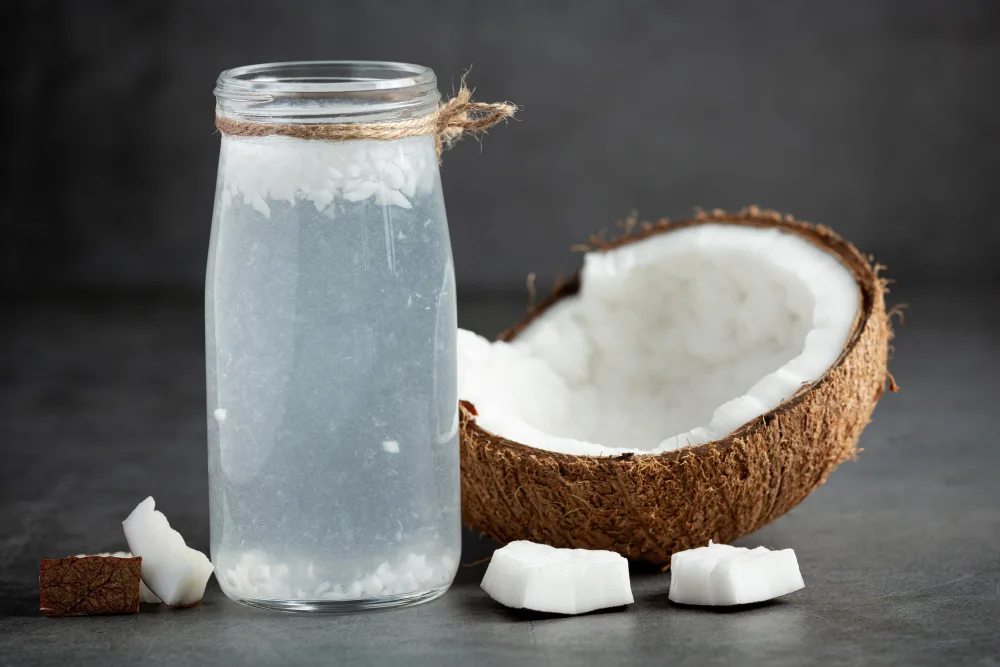
Is coconut water good for ulcers?
Coconut water can be a reasonable hydrating drink for many people, but there is no good reason to consider it a specific treatment for an ulcer.
If you enjoy plain coconut water and it doesn't cause discomfort, you may include it as part of your normal fluid intake.
However, the question is coconut water good for ulcers should be separated from the question of whether it heals ulcers. There is no established evidence that coconut water can treat the underlying causes of peptic ulcer disease.
People who need to restrict potassium or have certain kidney conditions should discuss coconut water intake with their doctor.
Does your diet matter when you have an ulcer?
Your diet can affect how comfortable you feel, but there is no universal special diet that cures peptic ulcers.
A sensible stomach ulcer diet focuses on maintaining good nutrition while avoiding foods and drinks that clearly worsen your symptoms.
You can usually work towards:
- Regular, balanced meals that you tolerate well
- Adequate fluids
- Less alcohol
- Less caffeine if it triggers symptoms
- Less highly irritating food during an active flare
- Avoiding unnecessary dietary restrictions
NIDDK states that diet and nutrition do not play an important role in causing, preventing or treating peptic ulcers, so patients don't generally need to follow a strict ulcer diet.
How do doctors find out what is causing an ulcer?
Doctors assess your symptoms, medicines and medical history and may test for H. pylori or perform an upper GI endoscopy when appropriate.
Assessment may include:
- A discussion about your upper abdominal pain and other symptoms
- Review of medicines, especially NSAIDs
- Testing for H. pylori infection
- Blood or stool tests in selected situations
- Upper GI endoscopy when needed to examine the stomach and duodenum
An endoscopy uses a thin flexible tube with a camera to look at the upper digestive tract. A doctor may also take a small tissue sample during the procedure when required.
This assessment matters because treating the cause is more important than finding a particular drink.
What treatment actually helps an ulcer heal?
Treatment depends on the cause and may include acid-reducing medicines, H. pylori treatment or changes to medicines that are contributing to the ulcer.
For an H. pylori-related ulcer, treatment may include a combination of medicines to eliminate the infection and reduce acid. The American College of Gastroenterology recommends treating confirmed H. pylori infection and recommends follow-up testing to confirm that the infection has been cleared.
If NSAIDs are contributing to the ulcer, your doctor may review whether the medicine can be stopped, changed or used with protective treatment. Don't stop a prescribed medicine on your own without discussing it with your doctor.
If an ulcer doesn't heal or returns, doctors may investigate the cause again and may recommend further treatment or endoscopy.
For patients looking for stomach ulcer treatment in Pune, our gastroenterology team at Lokmanya Hospitals can assess persistent symptoms and help identify whether further testing or treatment is needed.
When should I seek urgent medical help for an ulcer?
Blood in vomit, black or tarry stools, sudden severe abdominal pain, dizziness or fainting require urgent medical attention.
These symptoms can indicate complications such as gastrointestinal bleeding or, in some cases, perforation.
Seek urgent medical care if you notice:
- Vomiting blood or material that looks like coffee grounds
- Black, sticky or tar-like stools
- Sudden, severe abdominal pain
- Fainting or marked dizziness
- A rapid pulse or symptoms of shock
These are not symptoms to manage by changing drinks at home.
How can I reduce the chance of ulcer problems coming back?
The most useful long-term step is to treat the underlying cause and follow your prescribed treatment correctly.
Depending on your situation, this may include:
- Completing treatment for H. pylori when it is diagnosed
- Reviewing regular NSAID use with your doctor
- Avoiding smoking
- Limiting alcohol
- Recognising drinks and foods that trigger your symptoms
- Attending follow-up appointments when advised
Smoking can interfere with ulcer healing, while alcohol can irritate the stomach lining.
The goal isn't to live permanently on a restrictive diet. The goal is to treat the ulcer, address its cause and return to a comfortable, balanced routine.
How can Lokmanya Hospitals help with persistent ulcer symptoms?
If stomach burning, recurring pain, nausea or indigestion keeps returning, it is worth getting the cause assessed rather than repeatedly changing your drinks or diet. At Lokmanya Hospitals in Pune, our gastroenterology team can evaluate persistent digestive symptoms and guide appropriate testing and treatment based on the individual patient.
If symptoms are severe or you have signs of bleeding, seek urgent medical care rather than waiting for a routine consultation.
Final Thoughts
Water is usually the simplest drink to choose when you have an ulcer, but no beverage can replace treatment for the underlying cause.
Pay attention to drinks that worsen your symptoms, avoid alcohol and other clear triggers, and seek medical assessment if symptoms persist or return.
Frequently Asked Questions
Can I drink coffee if I have an ulcer?
You may need to limit or avoid coffee if it worsens your burning, acidity or stomach pain. Caffeine can trigger symptoms in some people, so your tolerance is important.
Can I drink fruit juice when I have an ulcer?
You can drink fruit juice if it doesn't cause symptoms, but acidic juices may worsen burning or discomfort for some people. They should not be used as a treatment for the ulcer.
Should I drink warm water or cold water for an ulcer?
There is no strong evidence that a particular water temperature heals ulcers. Choose the temperature that feels comfortable and doesn't worsen your symptoms.
Can I drink buttermilk with a stomach ulcer?
Buttermilk may be tolerated by some people, but it isn't a treatment for an ulcer. Avoid it if dairy or sour foods increase your burning, bloating or discomfort.
Can alcohol make an ulcer bleed?
Alcohol can irritate the stomach lining and may worsen ulcer-related problems. If you have an active ulcer, avoiding alcohol is a safer approach.
Can an ulcer cause bad breath?
An ulcer itself isn't usually considered a direct cause of bad breath. Bad breath can have several causes, including oral problems, reflux and some digestive conditions, so persistent symptoms should be assessed.
Can an ulcer make me feel hungry all the time?
An ulcer can sometimes cause upper abdominal discomfort that may be mistaken for hunger. Burning pain can occur when the stomach is empty in some people, but this symptom alone cannot confirm an ulcer.
Can an ulcer cause weight loss?
Yes, an ulcer can be associated with unintentional weight loss in some people. Pain, nausea, early fullness or reduced appetite can make eating difficult and should be medically assessed.
What drinks should I avoid with ulcers?
Alcohol and any drink that consistently triggers burning or stomach discomfort should be avoided. Caffeinated drinks, carbonated beverages and acidic drinks can be problematic for some people.
Can an ulcer come back after it heals?
Yes, an ulcer can return if its underlying cause is not addressed. H. pylori infection, continued NSAID use and smoking are among the factors doctors may review when an ulcer recurs.
Medical Disclosure: This article is for general educational purposes only. It does not replace an individual medical consultation, physical examination, diagnosis or personalised treatment plan.