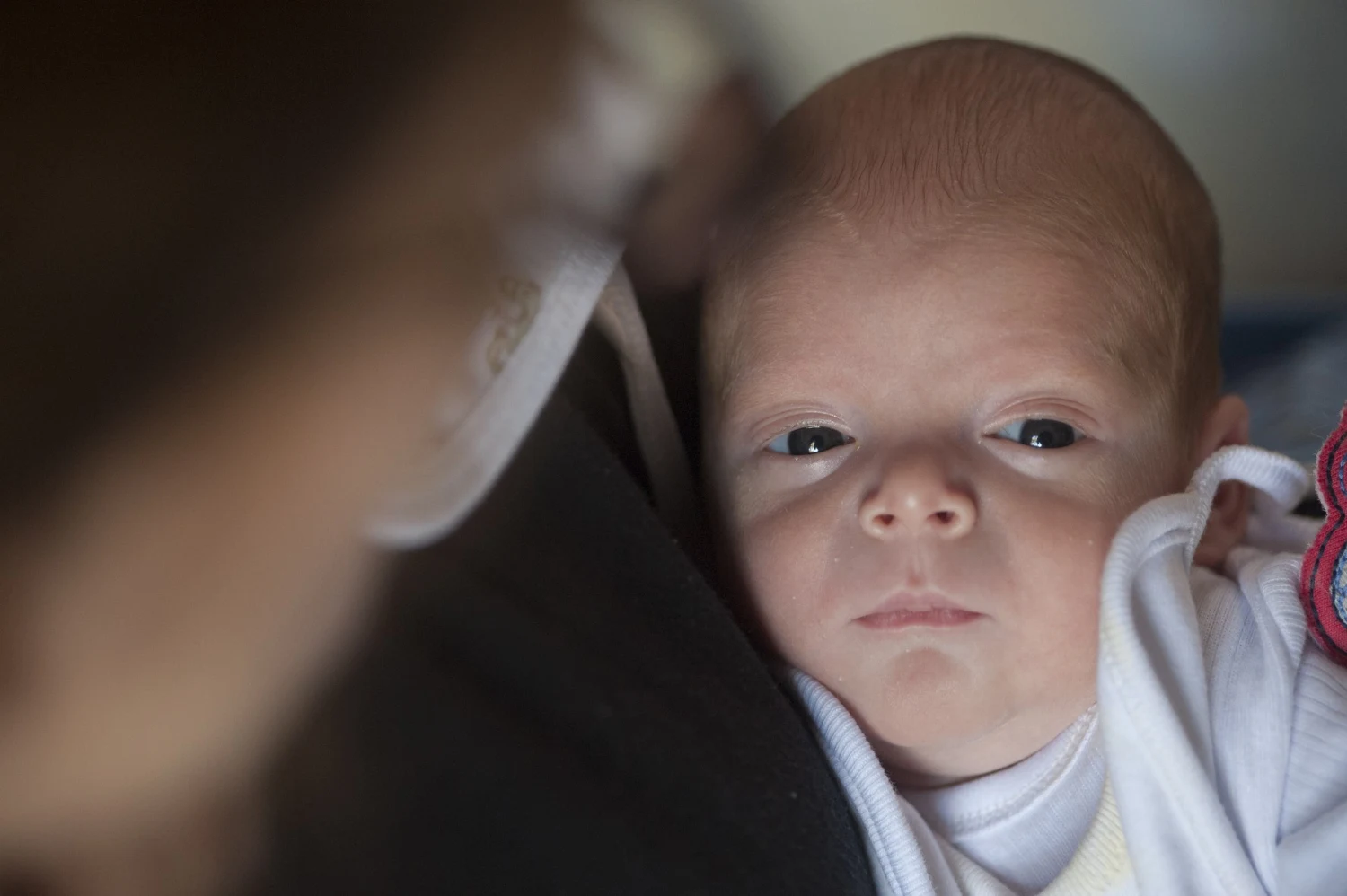
What Causes Crossed Eyes In Babies
Category: General medicine
 Mon Feb 16 2026


Crossed eyes in babies, medically known as strabismus, is a condition where one or both eyes do not align properly. While mild misalignment is common in very young infants, persistent crossed eyes beyond a certain age may indicate an underlying issue affecting eye muscle coordination or vision development. Left unaddressed, it can impact depth perception and visual development, making early evaluation essential.
Lokamanya Hospital is a renowned ophthalmology hospital in Pune providing expert diagnosis and treatment for babies with crossed eyes. Our experienced team assesses each child carefully, identifies the root cause, and develops personalised care plans, combining non-surgical interventions, exercises, and surgical options when required to ensure optimal visual outcomes.
Understanding Crossed Eyes in Babies
In infants, eye misalignment can occur naturally during the first few months as their visual system develops. However, when the eyes continue to cross beyond six months of age, it may indicate strabismus. Crossed eyes in babies can affect one or both eyes and may vary in frequency, appearing constantly or intermittently.
Early identification is critical because the brain may begin to favor one eye over the other if misalignment persists. This can lead to amblyopia, commonly called “lazy eye,” which may become permanent if not treated promptly. Regular monitoring and early intervention improve both functional and cosmetic outcomes for children.
Common Causes of Crossed Eyes in Babies
Crossed eyes in infants can result from a variety of factors. Some causes are developmental, while others are linked to medical conditions or anatomical differences.
Common causes include:
- Delayed visual system development – The visual system may still be maturing in newborns, leading to temporary misalignment.
- Genetic predisposition – Strabismus can run in families, increasing the likelihood of occurrence.
- Eye muscle abnormalities – Weakness or imbalance in the eye muscles can prevent proper alignment.
- Refractive errors – Significant farsightedness or other vision problems may cause the eyes to cross.
- Neurological conditions – Rarely, issues with the brain or nerves controlling eye movement can result in strabismus.
Accurate diagnosis by a specialist ensures that the cause is correctly identified and the most effective treatment is planned.
How Crossed Eyes Are Diagnosed in Babies
Diagnosis involves a comprehensive eye examination conducted by a paediatric ophthalmologist. The doctor observes eye alignment, tracking movements, and reaction to light and objects.
Tests may include vision assessment for each eye, evaluation of eye muscle function, and checking for refractive errors. In some cases, additional imaging or neurological evaluation may be required to rule out underlying conditions. Early diagnosis allows timely intervention to prevent complications and support normal visual development.
Treatment Options for Babies with Crossed Eyes
Treatment depends on the underlying cause, the severity of misalignment, and the age of the child. Early intervention improves the chances of successful correction and reduces the risk of long-term vision problems.
Treatment approaches may include:
- Corrective glasses to address refractive errors
- Eye patching to strengthen a weaker eye and prevent amblyopia
- Eye exercises designed to improve coordination and muscle control
- Surgical correction when non-surgical methods are insufficient
Lokamanya Hospital offers specialised ophthalmology treatment in Pune for babies, ensuring gentle, age-appropriate care and expert monitoring throughout treatment.
Why Choose Lokamanya Hospital for Crossed Eye Care in Babies?
Lokamanya Hospital provides comprehensive care for infants with crossed eyes, combining early diagnosis, personalised treatment plans, and expert follow-up. Our team of skilled ophthalmology doctors in Pune has extensive experience in managing paediatric strabismus and related visual disorders.
We focus on minimally invasive treatments when possible, integrate vision therapy and exercises, and ensure surgical interventions are performed safely if required. Our patient-centric approach emphasises family education, ongoing monitoring, and a supportive environment for both babies and parents.
Conclusion
Crossed eyes in babies can have multiple causes, from developmental delays to eye muscle imbalances or genetic factors. Early recognition and treatment are crucial for preventing complications such as amblyopia and for supporting proper visual development.
At Lokamanya Hospitals, we provide trusted, comprehensive care for infants with strabismus. As a leading ophthalmology hospital in Pune, Lokamanya Hospitals ensures personalised evaluation, effective treatment, and long-term visual health for every child.
FAQs
- Are crossed eyes common in newborns?
Mild misalignment is normal in newborns as their visual system develops. Persistent crossing beyond six months should be evaluated by a specialist. - What causes crossed eyes in babies?
Causes include delayed visual system development, genetic factors, eye muscle weakness, refractive errors, or rare neurological conditions. - How is crossed eyes diagnosed in infants?
Paediatric ophthalmologists examine eye alignment, tracking, and focus. Additional tests may include vision assessment and muscle function evaluation. - Can glasses correct crossed eyes in babies?
Yes, corrective glasses can address refractive errors contributing to misalignment and may improve eye coordination. - Are eye exercises effective for babies?
Yes, vision therapy exercises can strengthen eye muscles and improve coordination, especially when combined with other treatments. - When is surgery required for babies with crossed eyes?
Surgery is recommended if non-surgical treatments, such as glasses or patching, do not correct the alignment adequately. - Can crossed eyes lead to lazy eye?
Persistent misalignment can cause amblyopia, or lazy eye, if one eye is favored over the other, making early treatment important. - When should I consult an ophthalmologist for my baby?
Consult a specialist if your baby’s eyes appear crossed beyond six months or if you notice vision issues, to ensure timely and effective care.