(1).webp)
What Causes Autism?
Category: Neurology
 Wed Dec 10 2025


Autism Spectrum Disorder (ASD) is a complex neurodevelopmental condition that affects communication, social interaction, and behaviour in children. While the exact causes of autism are still being researched, scientific studies suggest that a combination of genetic, neurological, and environmental factors contributes to its development. Understanding these causes helps parents and caregivers make informed decisions about early intervention and care strategies.
At Lokmanya Hospital, our dedicated neurology team provides expert guidance and personalised care for children diagnosed with ASD. We offer comprehensive autism treatment in Pune, combining advanced diagnostic assessments with targeted therapies. By integrating clinical expertise, research-backed approaches, and family-centred care, we help children manage their symptoms effectively and support their developmental growth in a safe, nurturing environment.
Understanding the Causes of Autism
Autism does not have a single cause; rather, multiple factors interact to influence brain development and behaviour. Scientific evidence points to genetic, neurological, and environmental contributors that vary from child to child. Identifying these factors can help in early detection and intervention planning.
1. Genetic Factors
Genetics play a significant role in autism, affecting brain development and function.
- Family history: Children with siblings or parents who have autism have a higher risk of developing ASD.
- Gene mutations: Certain mutations can impact how the brain develops and communicates.
- Complex inheritance: Multiple genes may interact to increase susceptibility, rather than a single gene being responsible.
- Epigenetic influences: Gene expression may be altered by environmental factors, contributing to autism risk.
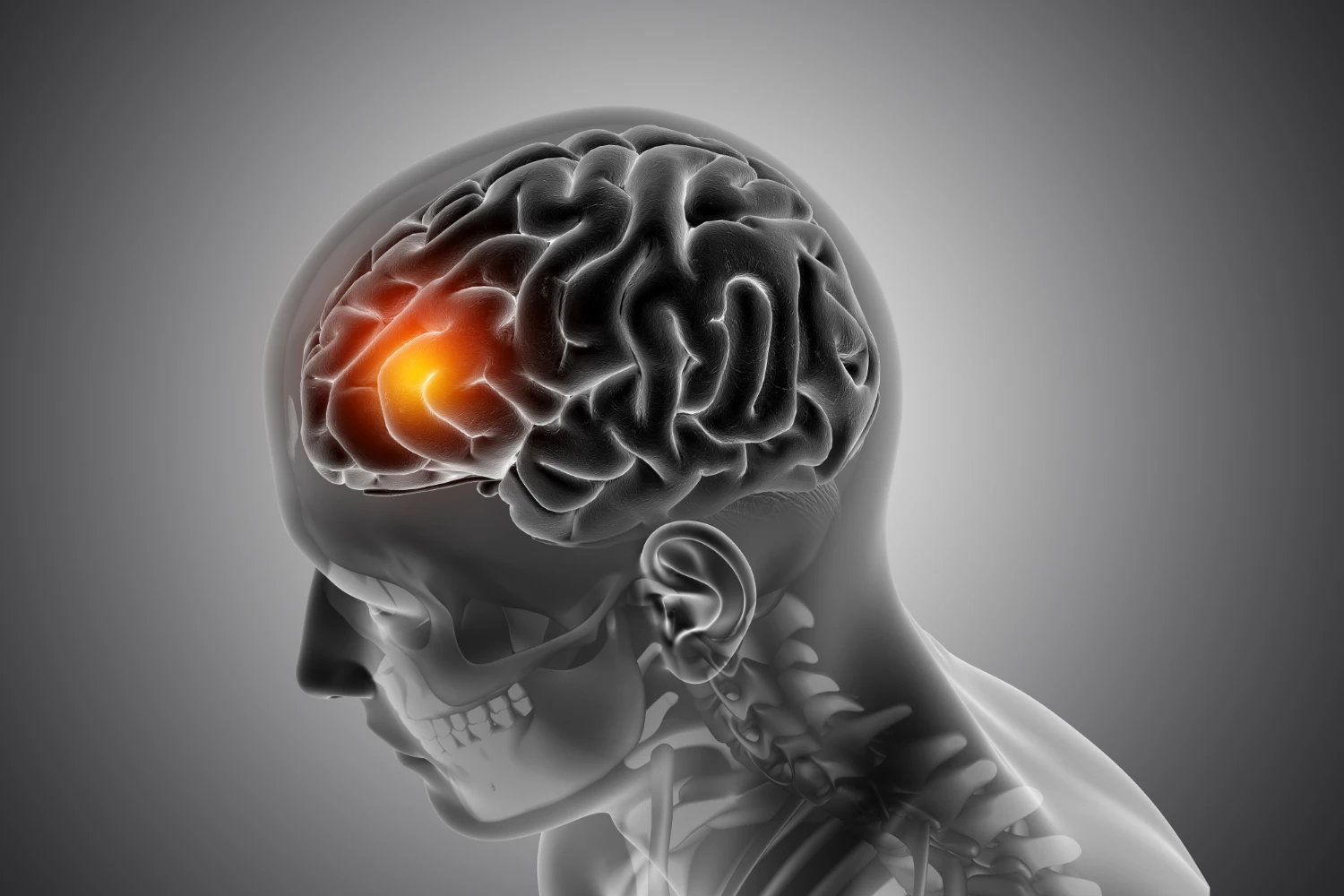
2. Neurological Factors
Brain structure and function differences are commonly observed in children with autism.
- Abnormal neural connectivity: Differences in how neurons communicate may affect social and cognitive functioning.
- Brain growth patterns: Some children show rapid brain growth in early years, which may influence behaviour.
- Neurotransmitter imbalances: Variations in chemical messengers in the brain may contribute to behavioural and sensory differences.
- Developmental differences: Certain regions of the brain may develop differently, affecting learning and interaction skills.
3. Environmental Factors
Environmental exposures may interact with genetic predispositions to influence autism risk.
- Prenatal factors: Maternal infections, medications, or complications during pregnancy may affect neurodevelopment.
- Parental age: Older parental age has been associated with increased autism risk.
- Exposure to toxins: High levels of pollution or certain chemicals may impact fetal brain development.
- Perinatal complications: Premature birth or low birth weight may contribute to neurological vulnerability.
Why Choose Lokmanya Hospital for Autism Treatment in Pune
At Lokmanya Hospital, we recognise that understanding the causes of autism is essential for effective care. Our multidisciplinary team of neurology doctors in Pune specialises in evaluating developmental and behavioural concerns in children. By integrating medical expertise, detailed assessments, and evidence-based therapy, we provide holistic care tailored to each child’s needs.
Our hospital offers child-friendly facilities, ensuring a comfortable environment for diagnosis and therapy sessions. Partnering with families, we focus on continuous guidance and intervention, from early detection to ongoing support. Choosing Lokmanya Hospital for autism treatment in Pune ensures access to expert care, personalised therapy programs, and compassionate support for children with autism and their families.
Conclusion
Autism arises from a combination of genetic, neurological, and environmental factors, and no single cause explains every case. Early recognition of these contributing factors is vital for timely diagnosis and effective intervention. At Lokmanya Hospital, we provide specialised autism treatment in Pune and advanced neurology treatment in Pune, focusing on personalised care plans that address each child’s unique needs. Our experienced team guides families through every step, offering expert assessment, therapy, and ongoing support to improve developmental outcomes and quality of life.
FAQs
Q1. Is autism caused by vaccines?
No, extensive research has shown that vaccines do not cause autism.
Q2. Can lifestyle during pregnancy influence autism risk?
Certain prenatal factors, like infections or exposure to toxins, may contribute, but no lifestyle choice guarantees prevention.
Q3. Is autism hereditary?
Genetics play a role; having a family member with autism increases risk, though environmental factors also contribute.
Q4. Can neurological factors be detected early?
Yes, specialised neuro-assessments can identify developmental differences in infants and toddlers.
Q5. Does parental age affect autism risk?
Studies show that older parental age, particularly fathers, may slightly increase risk.
Q6. Are environmental factors preventable?
Some risks, like exposure to toxins or infections, can be mitigated with careful prenatal care.
Q7. Can understanding causes help in treatment?
Yes, knowing contributing factors helps design targeted therapy plans and early intervention strategies.
Q8. At what age should parents consult a neurologist?
If developmental delays, social challenges, or behavioural concerns are noticed, consultation should occur as early as 18–24 months.
Previous blog

Top 5 Ways To Speed Up Bone Healing After Fracture
Next blog