What Are the First Signs of a Bad Gallbladder?
Category: General Surgery
 Thu Nov 20 2025


The gallbladder is a small, pear-shaped organ located beneath the liver. Its primary role is to store and release bile, a digestive fluid that helps break down fats. When the gallbladder doesn’t function properly due to gallstones, inflammation, or infection, it can cause significant discomfort and digestive problems. Recognizing the early signs of a bad gallbladder is essential to prevent complications such as gallbladder infection (cholecystitis) or bile duct obstruction.
At Lokmanya Hospital, Pune, one of the leading multispecialty hospitals in Maharashtra, patients receive expert care for gallbladder disorders through advanced diagnostic and surgical methods. With a highly experienced team of gastroenterologists and laparoscopic surgeons, Lokmanya Hospital provides precise diagnosis, minimally invasive treatments, and post-operative care tailored to ensure quick recovery and long-term digestive health.
Early Signs of a Bad Gallbladder
Gallbladder problems typically start with mild digestive issues that may gradually worsen. The first signs to look out for include
- Abdominal Pain (Biliary Colic):
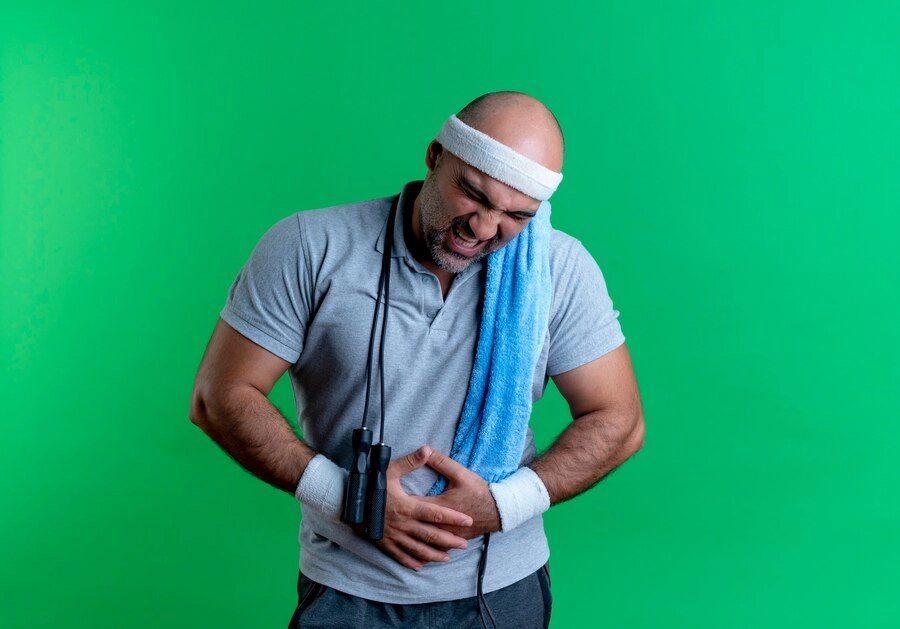
Pain in the upper right or middle part of the abdomen is one of the earliest symptoms. It may last from a few minutes to several hours and often occurs after eating fatty foods. - Nausea and Vomiting:
These symptoms occur when bile flow is obstructed or the gallbladder is inflamed. They can be persistent, especially after heavy meals. - Bloating and Indigestion:
Feeling full, gassy, or bloated even after eating small portions can indicate gallbladder dysfunction. - Back or Shoulder Pain:
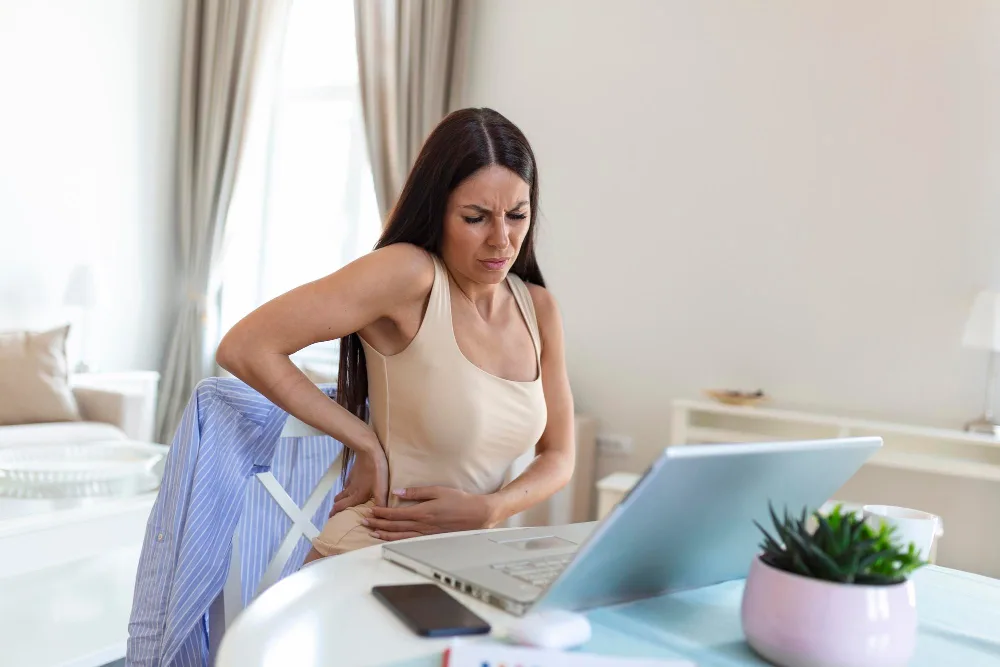
Pain that radiates to the right shoulder blade or back is common with gallbladder issues and can be mistaken for muscular pain. - Fever and Chills:
These are signs of infection, often linked to acute cholecystitis (inflammation of the gallbladder). - Jaundice (Yellowing of Skin and Eyes):
If a gallstone blocks the bile duct, bilirubin builds up in the body, causing jaundice — a warning sign that requires immediate medical attention.
If you notice these symptoms, it’s important to seek early evaluation at a reputed center like Lokmanya Hospital, Pune, to prevent severe complications.
Causes of Gallbladder Problems
Several factors contribute to gallbladder dysfunction, including:
- Gallstones: The most common cause; they block the bile ducts and cause inflammation.
- Infection: Bacterial infection due to bile stagnation.
- Obesity and Poor Diet: High-fat diets and obesity increase cholesterol levels, promoting stone formation.
- Hormonal Changes: Women, especially during pregnancy or hormone therapy, are more prone to gallbladder issues.
- Family History: A genetic tendency can increase risk.
Diagnosis and Treatment
At Lokmanya Hospital, doctors use ultrasound scans, CT scans, MRCP, and blood tests to detect gallbladder inflammation or stones.
Treatment options include:
- Medications: To control pain, nausea, and infection in mild cases.
- Laparoscopic Cholecystectomy: A minimally invasive surgery to remove the gallbladder — the gold standard treatment for gallbladder stones or chronic cholecystitis.
- Dietary Management: Doctors may suggest a low-fat, high-fiber diet post-treatment to improve digestion.
Lokmanya Hospital’s expert surgical team ensures precise care with advanced laparoscopic techniques, leading to quicker recovery and minimal scarring.
Why Choose Lokmanya Hospital for Gallbladder Treatment?
Lokmanya Hospital, Pune, is a trusted name for gastroenterology and laparoscopic surgery, offering specialized care for gallbladder diseases. With cutting-edge diagnostic technology and experienced specialists, the hospital ensures accurate diagnosis and effective treatment for all gallbladder-related issues.
The hospital’s patient-first philosophy, modern operation theatres, and 24/7 emergency care make it one of the best centers for gallbladder surgery in Pune. Patients benefit from personalized care plans, advanced infection control measures, and continuous post-surgery monitoring, ensuring both safety and long-term wellness.
Conclusion
Gallbladder issues often start with mild, easily overlooked symptoms like bloating or discomfort after meals, but these can quickly escalate into severe pain, infection, or bile duct blockage if left untreated. Identifying early warning signs such as abdominal pain, nausea, and digestive distress can make a crucial difference in preventing complications and ensuring timely treatment. Early medical evaluation helps protect overall digestive health and avoids the need for emergency surgery.
At Lokmanya Hospital, Pune, patients receive comprehensive and specialized care for all types of gallbladder problems. With expert gastroenterologists, advanced laparoscopic techniques, and a focus on personalized recovery, the hospital ensures safe, effective, and long-term relief. Whether it’s accurate diagnosis, minimally invasive surgery, or post-treatment dietary guidance, Lokmanya Hospital stands as a trusted destination for complete gallbladder health management in Pune.
FAQs
1. What are the first symptoms of a bad gallbladder?
Abdominal pain (especially after fatty meals), nausea, bloating, and indigestion are among the first signs of gallbladder issues.
2. Where is gallbladder pain usually felt?
Pain typically occurs in the upper right abdomen and can radiate to the right shoulder or back.
3. Can gallbladder issues go away on their own?
Mild discomfort may ease temporarily, but underlying problems like gallstones often require medical treatment.
4. What happens if gallbladder problems are ignored?
Untreated issues can lead to infection, bile duct blockage, jaundice, or gallbladder rupture, all of which can be dangerous.
5. How are gallbladder problems diagnosed?
Ultrasound and MRCP are the most common imaging methods used to detect stones or inflammation.
6. Is gallbladder removal safe?
Yes. Laparoscopic gallbladder removal is a safe and minimally invasive procedure with quick recovery.
7. What foods should I avoid with gallbladder problems?
Avoid fatty, fried, and spicy foods, as they can trigger pain and worsen symptoms.
8. Can you live without a gallbladder?
Yes, you can live a normal life after gallbladder removal. The liver continues to produce bile for digestion.
Previous blog

Is Black Coffee Good For High Blood Pressure?
Next blog