Is Black Coffee Good For High Blood Pressure?
Category: Cardiology
 Mon Aug 03 2026


You've been told to watch your blood pressure, and now you're staring at your coffee cup wondering if it's working against you.
Here's the honest answer: black coffee can raise your blood pressure, but for most people managing hypertension, it doesn't need to be off the table entirely.
The effect depends far more on how often you drink coffee and how severe your blood pressure problem is than most people realise. If you're looking into hypertension treatment in Pune, this is exactly the kind of everyday question our cardiology team gets asked in clinic, and it deserves a real answer, not just "cut back." Lokmanya Hospitals, with a dedicated Heart Care Unit across its Pune branches, sees patients with this exact worry regularly, and the answer is more specific than a blanket yes or no.
Key takeaways:
- Black coffee can raise systolic blood pressure temporarily, but the size of that spike depends on your caffeine habit
- Habitual coffee drinkers build tolerance; occasional drinkers see a bigger, faster spike
- People with severe hypertension are the group who genuinely need to be cautious about intake
- One cup a day appears safe for most blood pressure levels based on current research
- Timing matters as much as quantity — coffee late in the day affects sleep, which affects blood pressure too
What Does Black Coffee Actually Do to Your Blood Pressure?
Black coffee can cause a short, temporary rise in blood pressure, typically within 30 to 60 minutes of drinking it, and this isn't the same as causing long-term hypertension.
Caffeine works through two main pathways. It can block a hormone that normally keeps your arteries relaxed and open, and it can trigger a small release of adrenaline from your adrenal glands. Both effects tighten blood vessels briefly, which is what shows up as a higher reading on the cuff.
The rise is usually modest. Research has shown one to two cups of coffee can raise systolic pressure (the top number) by roughly 5 to 10 mm Hg, peaking within the first hour and settling back down after that.
This is a spike, not a diagnosis. A temporary rise after coffee doesn't mean coffee is causing your hypertension. It means your body is reacting to caffeine the way most bodies do, just more noticeably if you're not used to it.
Why Does the Same Cup Affect People So Differently?
The biggest factor isn't the coffee itself, it's whether you're a habitual drinker or not. This is the part most general advice skips entirely.
Habitual coffee drinkers build genuine tolerance. If you drink coffee daily, your body adapts, and the blood pressure response tends to be small or barely noticeable. Your morning cup likely isn't doing much to your numbers at all.
Occasional or non-coffee drinkers see a real spike. Someone who rarely drinks coffee and then has a strong cup can see a more significant, faster rise, sometimes matching what a stronger dose would cause in a regular drinker.
Decaf isn't automatically the safe swap it sounds like. Some research has found decaf coffee can still raise systolic pressure meaningfully, which suggests other compounds in coffee beyond caffeine also play a role. This surprises most patients.
Genetics affect caffeine metabolism too. Some people break down caffeine quickly and clear its effects faster; others metabolise it slowly, which means the same cup lingers longer in their system and keeps blood vessels tightened for longer.
Who Actually Needs to Be Careful With Coffee and Blood Pressure?
Not everyone with high blood pressure needs to worry equally. Severity is what changes the risk, not just the diagnosis itself.
Mild to moderate hypertension, well-controlled with medication or lifestyle, generally tolerates one cup a day without concern, based on current evidence across blood pressure levels. For a plain-language reference on what actually counts as high blood pressure and where the severity thresholds sit, the CDC's overview of high blood pressure is a useful starting point if you want the numbers spelled out.
Severe or poorly controlled hypertension is a different picture. Research tracking patients over years found that those with severe hypertension who drank two or more cups daily had a notably higher cardiovascular risk compared to non-coffee drinkers with similar blood pressure. This is the group where coffee intake genuinely deserves a specific conversation with a doctor, not a generic "cut back."
If you have irregular heartbeat, anxiety, or sleep problems alongside hypertension, caffeine can worsen all three, which compounds the overall cardiovascular strain even if blood pressure alone looks manageable.
How Would You Know If Coffee Is Actually a Problem for You?
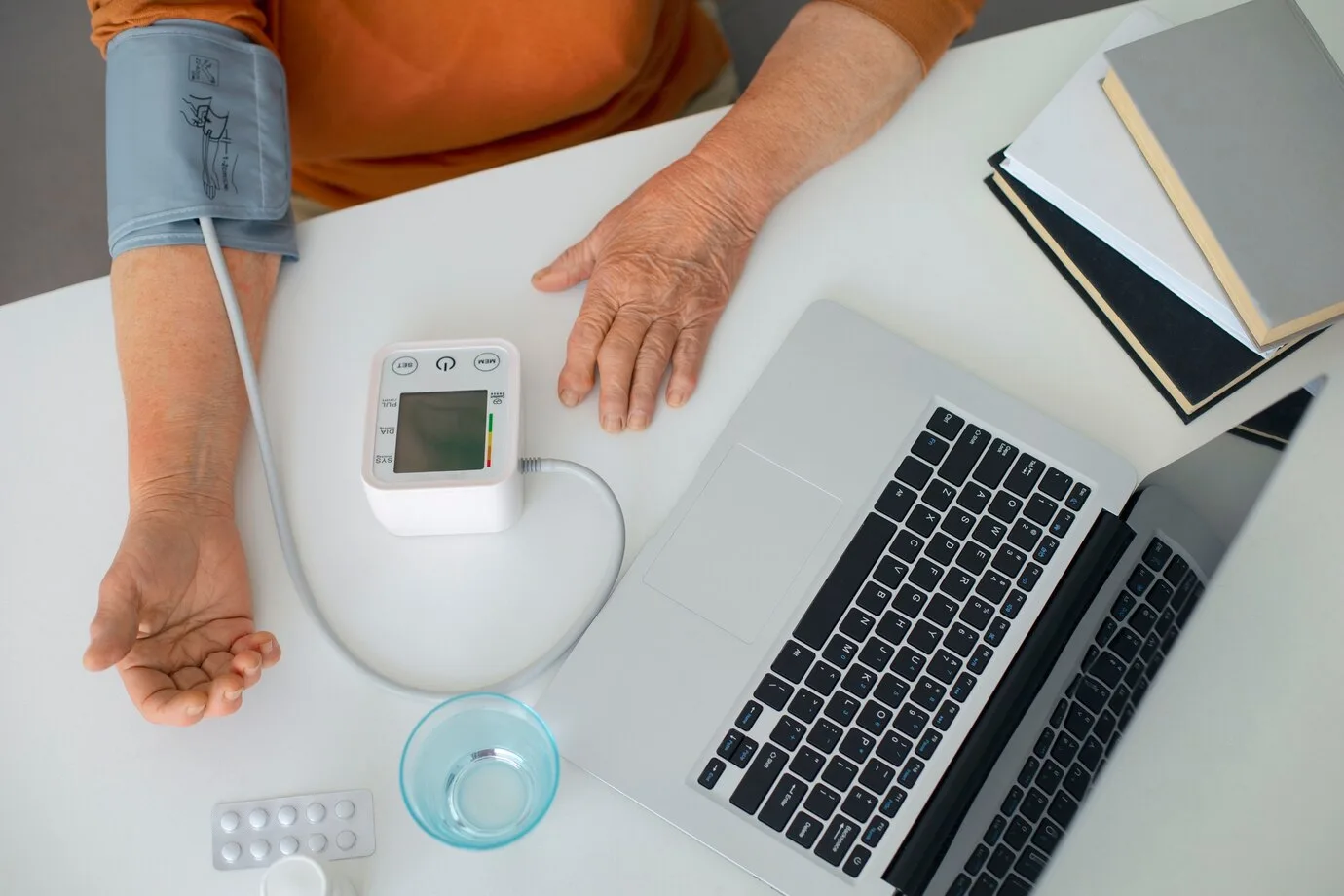
The most reliable way is a simple check most people never think to do: measure your blood pressure before your coffee and again an hour after.
A same-day self-check tells you more than any general guideline. If your reading climbs sharply and stays elevated well past an hour, that's useful information to bring to your doctor, not something to self-diagnose from.
If you've noticed your readings jumping around without an obvious trigger, Why Does Blood Pressure Spike Suddenly for No Clear Reason? covers the other common causes (measurement technique, hidden salt, poor sleep) so you're not chasing coffee as the explanation when it might not be.
A single high reading after coffee isn't hypertension. Hypertension is a sustained pattern, generally readings of 130/80 mm Hg or above on repeated, separate occasions, not a one-off number after caffeine.
A cardiologist can assess this properly through your regular readings, medication response, and overall cardiovascular risk profile, rather than guessing from a single cup's effect.
What If You Need to Cut Back? What Actually Helps?
If your doctor advises reducing caffeine, the goal is a gradual reduction, not stopping cold, since abrupt withdrawal can cause its own headaches and rebound irritability that indirectly stresses blood pressure.
Shift your timing first. Keep coffee to the morning or early afternoon. Caffeine late in the day disrupts sleep, and poor sleep is independently linked to higher blood pressure over time, so this one change often does more than cutting quantity.
Reduce gradually over one to two weeks rather than stopping outright, tapering from your usual intake down slowly.
Swap thoughtfully, not automatically. Green tea has shown no increased cardiovascular risk in research regardless of blood pressure level, likely due to its lower caffeine content and different antioxidant profile, making it a reasonable middle-ground option if you want a warm drink without the same spike.
Pair any dietary change with the basics that actually move your numbers long-term: reducing sodium, staying physically active, managing stress, and taking prescribed medication consistently. Coffee is a minor lever compared to these.
This is exactly the kind of nuanced, patient-specific guidance a one-size-fits-all article can't give you. Lokmanya Hospitals' Heart Care Unit in Pune brings cardiologists and dietitians together to look at your actual numbers, your medication, and your daily habits as one picture, not isolated pieces. If you're unsure where your coffee habit fits into your blood pressure management, book a consultation rather than guessing from general advice.
Does This Mean You Have to Give Up Coffee Completely?
For most people managing hypertension, no. Complete avoidance usually isn't necessary.
One cup a day is where the evidence is most reassuring, appearing safe across blood pressure levels including in people with more severe hypertension, according to available research.
The exception is genuine, poorly controlled severe hypertension, where higher intake has shown a real association with worse cardiovascular outcomes, and that's a conversation to have directly with your cardiologist rather than deciding alone.
Context matters more than the coffee itself. A well-controlled blood pressure patient having their usual morning cup is a very different situation from someone with unmanaged severe hypertension having three or four cups spread through the day.
Final Thoughts
Black coffee isn't the enemy for most people with high blood pressure, but it isn't entirely neutral either.
The real answer depends on how often you drink it, how severe your hypertension is, and how your body specifically responds, not a blanket rule that applies to everyone.
If you're someone who drinks coffee daily and your blood pressure is well-controlled, there's usually no reason to panic over your morning cup.
If your hypertension is more severe or poorly controlled, it's worth a direct conversation with your cardiologist rather than guessing. Either way, this is a manageable part of your routine, not something you have to fear.
FAQs
Does quitting coffee actually lower blood pressure long-term?
For most people, no, quitting coffee alone doesn't meaningfully lower long-term blood pressure, since diet, weight, activity, and medication have a far bigger impact than caffeine intake.
Can I drink coffee right before taking my blood pressure medication?
There's no direct interaction that requires spacing coffee away from most blood pressure medications, but it's worth confirming with your prescribing doctor since specific drug combinations can vary.
Does black coffee affect blood pressure differently than coffee with milk and sugar?
The caffeine effect on blood pressure is similar either way, but coffee with sugar adds a separate concern for weight and metabolic health, which indirectly affects long-term cardiovascular risk.
Is it the caffeine or something else in coffee that raises blood pressure?
Both play a role. Caffeine is the main driver, but research on decaf coffee still showing a blood pressure rise suggests other compounds in coffee also contribute.
How soon after starting to drink coffee regularly does the blood pressure effect reduce?
Tolerance typically builds within days to a couple of weeks of regular daily intake, though this varies by individual and how much you're consuming.
Previous blog

Top 5 Ways To Speed Up Bone Healing After Fracture
Next blog