What Are Postural Deformities and Their Corrective Measures
Category: Orthopedics
 Mon Feb 23 2026


Postural deformities are abnormalities in the alignment of the body that affect the spine, shoulders, hips, or other parts of the musculoskeletal system. These deformities can develop due to poor habits, injury, congenital conditions, or age-related changes, and they often lead to pain, discomfort, reduced mobility, and even long-term joint problems.
At Lokmanya Hospital, we specialize in assessing and correcting postural deformities through personalized physiotherapy treatment in Pune. Our experienced physiotherapy doctors in Pune design tailored programs that strengthen key muscles, improve flexibility, and restore proper alignment to help patients move comfortably and confidently.
Understanding Postural Deformities
Postural deformities occur when the body’s natural alignment is altered, often resulting in uneven weight distribution and muscle imbalances. Common deformities include:
- Kyphosis – excessive rounding of the upper back
- Lordosis – exaggerated inward curve of the lower back
- Scoliosis – sideways curvature of the spine
- Forward head posture – head positioned too far forward
- Rounded shoulders – shoulders slouching forward
These deformities can affect not only appearance but also function, causing back pain, neck stiffness, fatigue, and limited range of motion. Early identification and intervention are essential to prevent worsening and long-term complications.
Causes of Postural Deformities
- Sedentary lifestyle: Spending long hours sitting at a desk, computer, or even on the couch without proper support can place undue stress on the spine and postural muscles. Poor ergonomics and limited movement lead to slouching, rounded shoulders, and forward head posture, gradually contributing to postural deformities over time.
- Muscle weakness or imbalance: Weakness in the core, back, or other postural muscles reduces the body’s ability to maintain proper alignment. Imbalances occur when certain muscles are tight while others are weak, causing the spine and joints to compensate and leading to abnormal posture.
- Injury or trauma: Accidents, fractures, ligament injuries, or surgeries can affect the spine, shoulders, or hips. To protect the injured area, the body may adopt compensatory postures, which, if maintained for long periods, can result in permanent postural changes.
- Congenital or developmental conditions: Some individuals are born with spinal or skeletal abnormalities, such as scoliosis, kyphosis, or leg-length discrepancies. These conditions can naturally alter posture and, if left uncorrected, may worsen over time and affect overall alignment.
- Age-related changes: As people age, natural changes like reduced bone density, joint stiffness, and degenerative spinal conditions can impair posture. Loss of flexibility and weakening muscles make it difficult to maintain upright alignment, increasing the risk of postural deformities.
- Personalized evaluation and care: Understanding the root cause of a postural issue is essential for effective correction. Physiotherapy professionals carefully assess each individual, considering lifestyle, muscle strength, injuries, and structural factors, to create a tailored rehabilitation plan that addresses the underlying problem and promotes lasting improvements in posture.
Corrective Measures for Postural Deformities
Correcting postural deformities requires a combination of exercises, stretching, and lifestyle adjustments. Common corrective measures include:
- Strengthening Exercises
Strengthening core, back, and shoulder muscles helps support proper spinal alignment. Exercises like planks, bridges, and rows are highly effective. - Stretching Tight Muscles
Tight muscles often pull the body out of alignment. Stretching the chest, hip flexors, hamstrings, and neck muscles helps release tension and restore posture. - Posture Training and Ergonomics
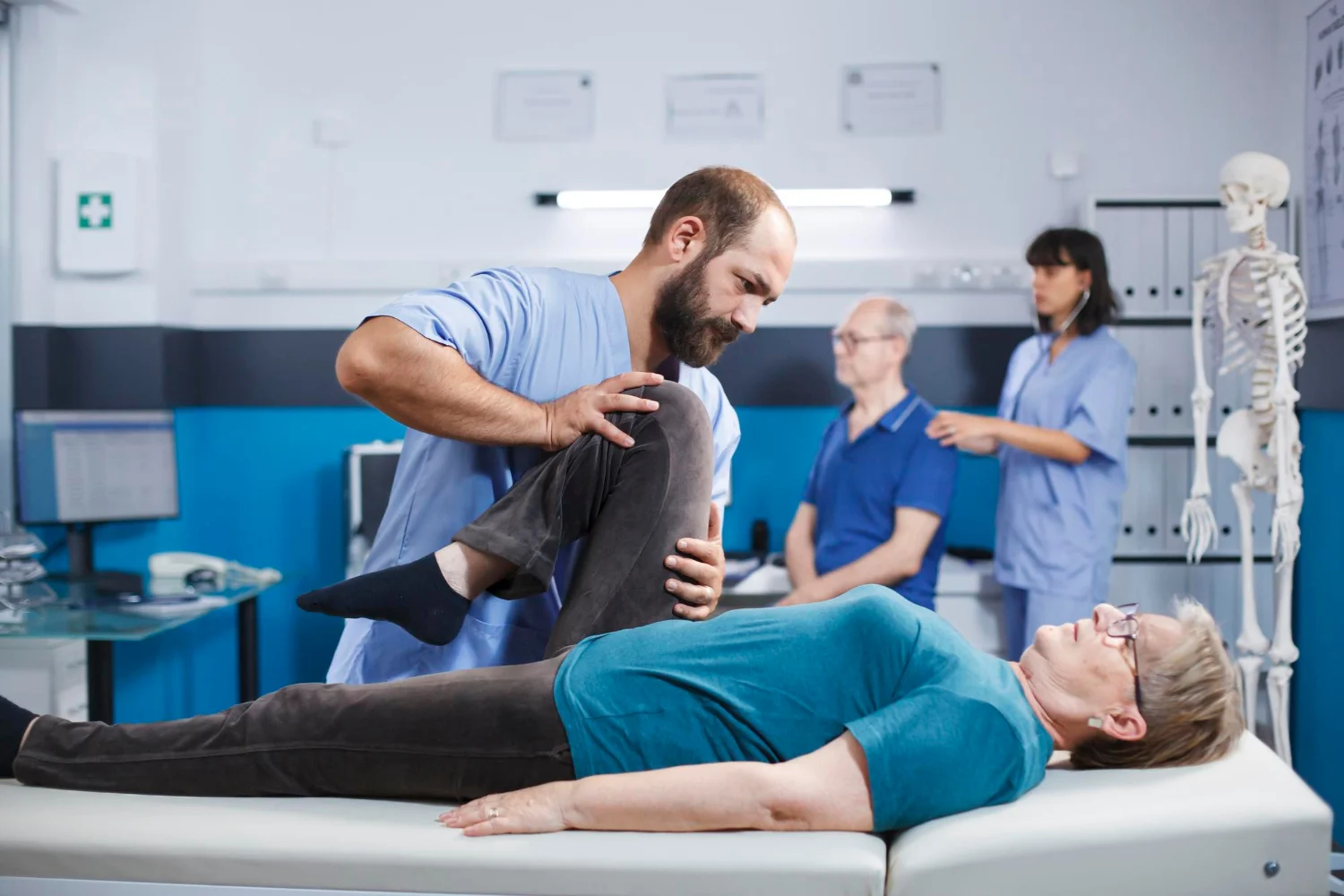
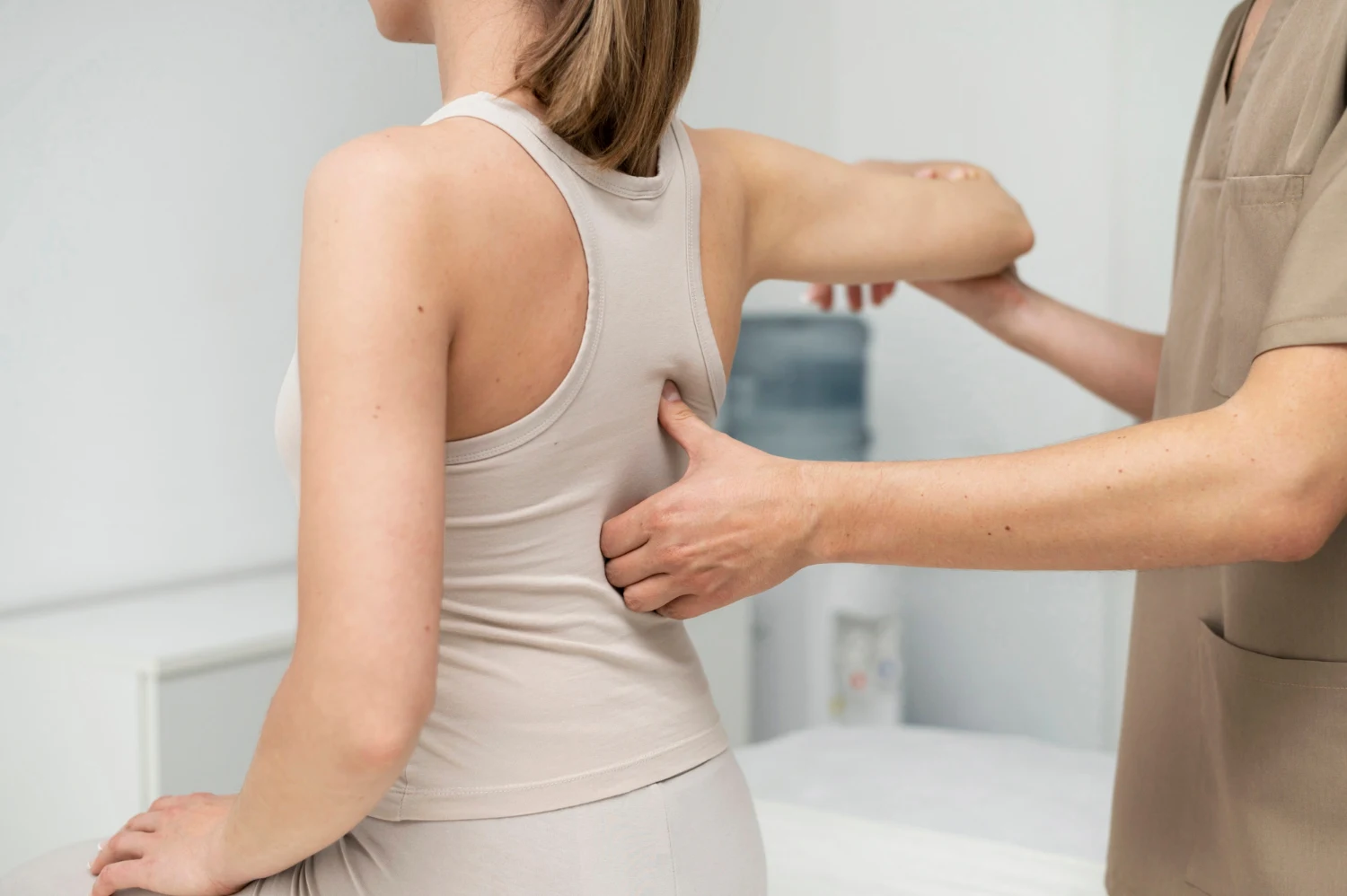
Learning to maintain proper alignment during sitting, standing, and movement is essential. Ergonomic adjustments at work or home prevent further deformities. - Manual Therapy and Physiotherapy Techniques
Hands-on therapies, including joint mobilization, soft tissue release, and spinal adjustments, support realignment and reduce discomfort. - Use of Supportive Devices
In some cases, braces or orthotics may be recommended to aid posture correction, especially for severe deformities. - Regular Monitoring and Personalized Programs
Our physiotherapy doctors in Pune continuously monitor progress, adapting exercises and treatment plans as the patient improves.
Benefits of Corrective Measures
Implementing corrective measures for postural deformities provides multiple benefits:
- Reduces pain and discomfort caused by muscle strain and joint misalignment
- Improves mobility and flexibility, making daily tasks easier
- Enhances appearance and confidence by restoring proper posture
- Prevents further musculoskeletal issues such as herniated discs or joint degeneration
- Supports overall health by promoting proper breathing, circulation, and muscle balance
With consistent guidance and personalized care, patients experience gradual but lasting improvements in posture, comfort, and quality of life.
Why Choose Lokmanya Hospital for Postural Deformities?
At Lokmanya Hospital, we take a holistic approach to managing and correcting postural deformities. Our experienced physiotherapy doctors in Pune assess each patient individually and design tailored physiotherapy treatment in Pune programs that combine strengthening, stretching, and posture training.
We also provide guidance on daily habits, ergonomic adjustments, and home exercises to ensure sustainable improvements. With advanced rehabilitation facilities and a hands-on approach, we support patients throughout their journey to better posture, reduced discomfort, and improved physical function.
Conclusion
Postural deformities, if left unaddressed, can lead to chronic pain, stiffness, reduced mobility, and long-term musculoskeletal complications. They can affect daily activities, posture-related confidence, and overall quality of life. Early intervention through physiotherapy not only helps correct alignment but also strengthens supporting muscles, relieves discomfort, and improves flexibility and balance. Personalized care ensures lasting improvements and helps prevent recurrence of postural issues.
At Lokmanya Hospital, skilled physiotherapy professionals provide comprehensive rehabilitation using advanced techniques and individualized guidance. With a tailored approach, patients can gradually restore proper posture, regain confidence in movement, enhance overall functionality, and enjoy a more active, comfortable, and healthier lifestyle.
FAQs
- What are postural deformities?
Postural deformities are abnormalities in body alignment, affecting the spine, shoulders, or hips, and can cause pain, limited mobility, and discomfort. - What causes postural deformities?
They may result from sedentary habits, muscle weakness, injury, congenital conditions, or age-related changes. - Can postural deformities be corrected with physiotherapy?
Yes. Personalized physiotherapy treatment in Pune helps strengthen muscles, improve flexibility, and restore proper alignment. - How long does posture correction take?
Results depend on the severity of the deformity and consistency with exercises, but gradual improvements are seen over weeks to months. - Are posture correction exercises safe for seniors?
Yes. Our physiotherapy doctors in Pune adapt exercises based on age, mobility, and condition to ensure safety. - Do I need special equipment for postural correction?
Most exercises require minimal equipment, though some cases may use resistance bands, stability balls, or supportive braces. - Why choose Lokmanya Hospital for postural deformities?
We offer experienced physiotherapy doctors in Pune, personalized physiotherapy treatment in Pune, and modern rehabilitation facilities for effective and lasting results.
Previous blog