Understanding Keratoconus and Its Treatment Options
Category: Blogs
 Mon Dec 01 2025


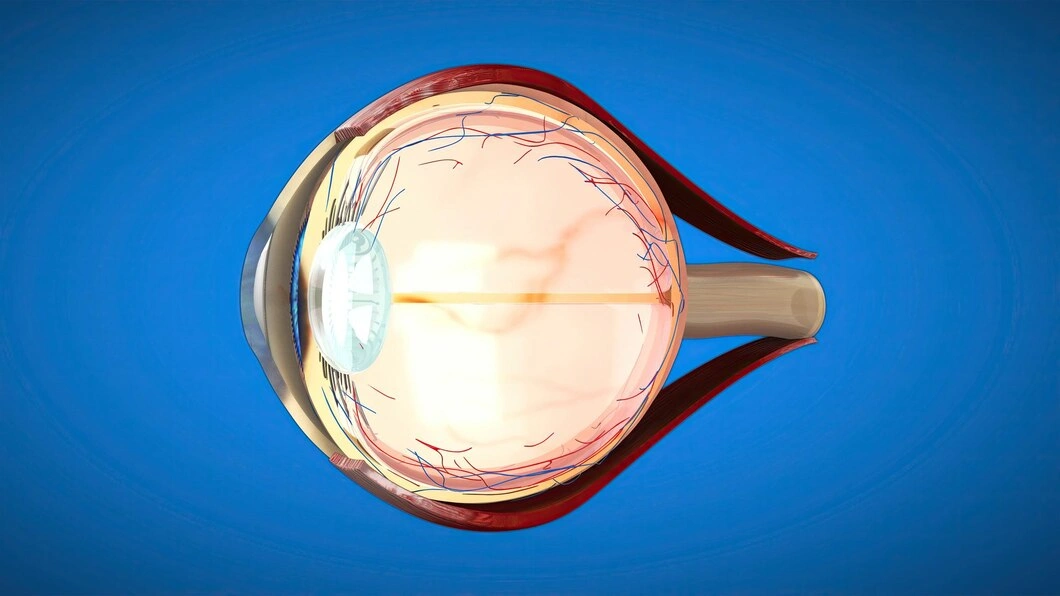
Clear vision depends on the cornea—the transparent, dome-shaped surface at the front of the eye. When healthy, the cornea maintains a smooth, rounded shape that helps focus light accurately onto the retina. However, in some individuals, the cornea gradually thins and begins to bulge outward into a cone-like shape. This condition is known as keratoconus. It typically begins in adolescence or early adulthood and can progress over time, leading to distorted vision, increased sensitivity to light, and difficulty with daily activities like reading or driving.
At Lokmanya Hospital, a leading ophthalmology hospital in Pune, patients with keratoconus receive comprehensive care from diagnosis to long-term management. With a strong reputation for clinical excellence and advanced eye care technology, Lokmanya Hospital offers tailored solutions that help patients maintain their vision and quality of life. Their team of experienced ophthalmologists ensures that each treatment plan is designed to suit the individual’s stage of keratoconus and lifestyle needs.
What Is Keratoconus?
Keratoconus is a progressive eye disorder that affects the shape and strength of the cornea. Instead of maintaining its normal dome shape, the cornea gradually thins and bulges into a cone, leading to distorted and blurred vision. This condition can affect one or both eyes and typically begins in the teenage years. Early diagnosis is essential to prevent further deterioration and to explore treatment options that can stabilize the condition.
Causes and Risk Factors
While the exact cause of keratoconus is unknown, several factors may contribute to its development:
- Genetics:- A family history of keratoconus increases the likelihood of developing the condition.
- Chronic eye rubbing:- Frequent rubbing of the eyes, especially in individuals with allergies, can weaken the corneal structure.
- Underlying conditions:- Certain disorders like Down syndrome, Ehlers-Danlos syndrome, and asthma are associated with a higher risk.
- Oxidative stress:- Imbalance between free radicals and antioxidants in the cornea may contribute to tissue damage.
Symptoms of Keratoconus
Keratoconus symptoms often develop gradually and may go unnoticed in the early stages. As the condition progresses, vision becomes increasingly distorted, and patients may struggle with everyday tasks. Recognizing the signs early can help in seeking timely medical attention and slowing the progression of the disease. Regular eye checkups are essential, especially for individuals with a family history of keratoconus or frequent vision changes.
- Blurry or distorted vision:- The cone-shaped cornea causes light to scatter, leading to visual distortion.
- Increased sensitivity to light:- Bright lights may cause discomfort or glare, especially at night.
- Frequent prescription changes:- Rapid changes in eyeglass or contact lens prescriptions may indicate progression.
- Double vision or ghosting:- Multiple images may appear, particularly in one eye.
Can Keratoconus Be Cured?
Keratoconus cannot be completely cured, but it can be effectively managed with the right treatment. The goal is to stabilize the cornea, improve vision, and prevent further progression. Treatment options vary depending on the severity of the condition and may include non-surgical methods or advanced procedures.
Early intervention plays a key role in preserving vision and avoiding the need for more invasive treatments later.
Non-Surgical Treatments
- Eyeglasses:- Useful in early stages to correct mild astigmatism and nearsightedness.
- Rigid gas permeable lenses:- Provide clearer vision by creating a smooth refractive surface over the irregular cornea.
- Scleral lenses:- Larger lenses that vault over the cornea, offering comfort and improved vision for advanced cases.
Advanced Treatment Options
- Corneal cross-linking (CXL):- A minimally invasive procedure that strengthens corneal tissue to stop progression.
- Intacs:- Small implants inserted into the cornea to flatten its shape and improve vision.
- Corneal transplant:- Recommended in severe cases where scarring or thinning is extensive.
Why Choose Lokmanya Hospital for Keratoconus Treatment?
When it comes to managing keratoconus, choosing the right healthcare provider is crucial. Lokmanya Hospital offers specialized ophthalmology treatment in Pune, combining clinical expertise with advanced diagnostic tools. Their team is experienced in handling all stages of keratoconus and provides personalized care plans that align with each patient’s needs and lifestyle.
What makes Lokmanya Hospital a preferred ophthalmology hospital in Pune is its commitment to early detection and long-term vision care. From advanced imaging techniques to minimally invasive procedures, the hospital ensures that patients receive the most effective and comfortable treatment options. Their patient-first approach and transparent communication make them a trusted choice for eye care.
Conclusion
Keratoconus may be a progressive condition, but with the right diagnosis and timely intervention, its impact on vision can be significantly reduced. While there is no permanent cure, modern ophthalmology offers a range of treatments—from specialty lenses to advanced procedures like corneal cross-linking—that help stabilize the condition and improve visual clarity. Early detection plays a crucial role in managing keratoconus effectively.
At Lokmanya Hospital, a trusted name for keratoconus treatment in Pune, patients receive personalized care backed by advanced diagnostics and experienced ophthalmologists. Whether you're in the early stages or facing more advanced symptoms, their team ensures that you get the right treatment at the right time. With expert guidance and compassionate care, you can protect your vision and lead a confident, active life.
FAQs
1. What age does keratoconus usually start?
It typically begins in the late teens to early twenties and may progress for 10–20 years.
2. Is keratoconus painful?
No, keratoconus itself is not painful, but it can cause visual discomfort and sensitivity to light.
3. Can keratoconus lead to blindness?
While it rarely causes complete blindness, severe cases can significantly impair vision without treatment.
4. How is keratoconus diagnosed?
It is diagnosed using corneal mapping techniques like topography and pachymetry during an eye exam.
5. Is corneal cross-linking safe?
Yes, it is a safe and effective procedure to halt the progression of keratoconus in most patients.
6. Can I wear contact lenses with keratoconus?
Yes, specially designed lenses like rigid gas permeable or scleral lenses are often recommended.
7. Will I need surgery for keratoconus?
Not always. Surgery is considered only in advanced cases where other treatments are ineffective.
8. Can keratoconus be prevented?
While it can't be entirely prevented, avoiding eye rubbing and managing allergies may reduce risk.
Previous blog

Can Amblyopia Be Corrected?
Next blog