15-Minute Painless Piles Treatment: How Does It Work?
Category: Blogs
 Sat Aug 22 2026


Most patients delay treatment for piles far longer than they should, usually out of embarrassment or fear of a painful, complicated surgery. That fear is often based on outdated information.
I'm Dr. Suprashant Kulkarni, Senior Consultant & Head of the Department of General GI, MIS & Robotic Surgery at Lokmanya Hospitals, Pune, and modern piles treatment in Pune has changed dramatically from the traditional surgery most people still picture.
Key Takeaways
- Modern piles procedures are designed to minimize pain and downtime, not necessarily eliminate discomfort entirely
- Laser hemorrhoid treatment and stapled procedures typically take well under an hour in the operating room
- Most patients go home the same day and return to routine activity within a few days
- Not every patient or every grade of piles is suited to the same technique
- Delaying treatment usually makes the eventual procedure more complex, not less
What Actually Causes Piles, and Why Do They Get Worse If Ignored?
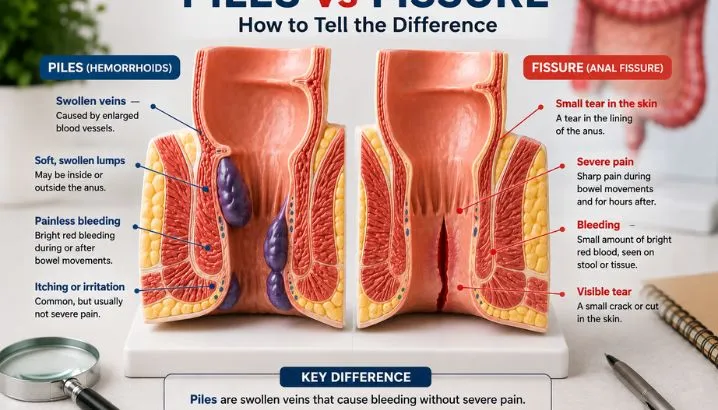
Piles, medically called hemorrhoids, are swollen blood vessels in and around the anal canal, usually caused by prolonged straining, chronic constipation, or increased pressure in that area.
- Long hours of sitting, a low-fiber diet, and chronic constipation are among the most common contributing factors
- Pregnancy and prolonged straining during bowel movements also increase pressure on these vessels
- Left untreated, piles tend to progress through grades, from mild internal swelling to protruding, symptomatic hemorrhoids that bleed or cause significant discomfort
- The earlier piles are addressed, the simpler and gentler the treatment options tend to be
What Does "Painless" Piles Treatment Actually Mean?
It doesn't mean zero sensation at any point, it means a significant reduction in the pain traditionally associated with piles surgery.
- Traditional hemorrhoidectomy involves cutting and stitching tissue in a highly sensitive area, which historically meant a genuinely painful recovery
- Modern techniques, particularly laser hemorrhoid treatment, avoid open cutting and stitching, which is the main reason post-procedure discomfort is far lower
- Patients still receive anesthesia during the procedure itself, and some mild soreness in the days after is normal, "painless" refers to the dramatic reduction compared to older surgical methods, not a literal absence of any sensation
- I explain this clearly to every patient, setting the right expectation avoids disappointment and builds trust
How Does the Procedure Actually Work?
The specific technique depends on the type and grade of piles, but most modern options share a common goal: treat the swollen tissue with minimal cutting.
- In laser treatment, a thin laser fiber is used to shrink and seal the swollen hemorrhoidal tissue from within, without open incisions
- Stapled hemorrhoidopexy repositions and staples the prolapsing tissue back into place, cutting off blood supply to the swollen area so it gradually shrinks
- Both approaches are performed under minimally invasive surgery principles, meaning smaller access points, less tissue trauma, and a faster return to normal function. For a broader look at how these techniques compare to older approaches like rubber band ligation, the NIDDK's overview of hemorrhoid treatment options is a useful independent reference.
- The actual time in the operating room for many cases is short, often well under an hour, though the exact duration depends on the number and severity of the piles being treated
Who Is Actually a Good Candidate for This?
Not every patient or every grade of piles is best suited to the same approach, and that distinction matters more than the marketing suggests.
- Grade 2 and Grade 3 internal piles often respond very well to laser or stapled techniques
- Grade 4 piles, or cases with significant external components, sometimes still require a more traditional surgical approach for the best long-term outcome
- Patients with certain bleeding disorders or specific anal conditions need individual evaluation before any procedure is planned
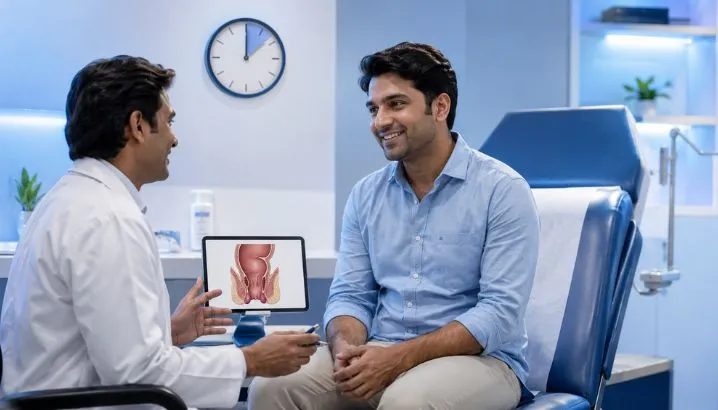
- A proper clinical examination and, when needed, a proctoscopy, determines which technique actually fits your case, not the other way around. If you're still at the stage of wondering whether what you're experiencing is actually piles, How To Know If I Have Piles? covers the symptoms and diagnostic process in more depth before you get to the treatment-decision stage covered here.
What Happens on the Day of the Procedure?
Most patients are in and out within the same day.
- The procedure is typically done under local, spinal, or short general anesthesia depending on the case and patient preference
- Recovery in the hospital before discharge is usually a matter of hours, not days
- Mild discomfort, some swelling, and occasional minor bleeding in the first few days are normal and expected, not a sign something went wrong
- Pain management with medication in the initial 48 to 72 hours helps keep any discomfort well controlled
How Fast Is Recovery, Really?
Faster than traditional surgery for most patients, but "fast" still means a few days of care, not an instant return to normal.
- Many patients resume light daily activity within 2 to 3 days
- Return to work often happens within a week, depending on the nature of the job and how physically demanding it is
- Full healing of the treated tissue typically takes a few weeks, even though symptoms improve much sooner
- Following dietary advice, particularly fiber intake and hydration, during this window meaningfully reduces strain on the healing area
Can Piles Come Back After Treatment?
They can, particularly if the underlying contributing habits aren't addressed.
- Chronic constipation, prolonged sitting, and straining are the same factors that caused the piles originally, and they can cause recurrence if unchanged
- A high-fiber diet, adequate water intake, and avoiding prolonged straining are the most effective long-term prevention steps. What To Eat In Piles? breaks this down into an actual eating plan rather than general advice, if you want something concrete to follow post-treatment.
- Regular bowel habits and avoiding delay when you feel the urge also reduce recurrence risk
- Treating the piles is one part of the solution, adjusting the habits that caused them is the other
If piles have been affecting your daily comfort and you've been putting off treatment out of fear of pain or a long recovery, I'd encourage getting evaluated rather than waiting for it to worsen. I see patients for GI, minimally invasive, and robotic surgical consultations at Lokmanya Hospitals, Pune.
Final Thoughts
Piles treatment today looks very different from what most patients still imagine.
Modern techniques genuinely reduce pain and recovery time compared to traditional surgery, but the honest picture involves some manageable discomfort, not a complete absence of it, and a few days of care, not an instant fix.
The right technique depends on your specific grade and presentation, not a one-size-fits-all promise.
Getting evaluated early, rather than waiting, is what actually keeps treatment simple.
Frequently Asked Questions
Is laser piles treatment completely pain-free?
No procedure guarantees zero sensation, but laser treatment significantly reduces pain compared to traditional surgery, with most discomfort manageable through medication.
How long does the piles procedure itself take?
Many cases take well under an hour in the operating room, though the exact time depends on the severity and number of piles treated.
Do I need to stay in the hospital overnight?
Most patients are discharged the same day, though this depends on the anesthesia used and individual recovery.
How soon can I go back to work after piles treatment?
Many patients return to desk-based work within about a week, physically demanding jobs may need a slightly longer recovery.
Will piles come back after laser treatment?
They can, especially if constipation or prolonged straining habits continue, ongoing diet and lifestyle changes reduce this risk significantly.
Is bleeding after the procedure normal?
Minor spotting in the first few days is common, but heavy or persistent bleeding should be reported to your surgeon promptly.
Can all grades of piles be treated with laser or stapling?
Not always, Grade 4 or heavily external cases sometimes still need a more traditional surgical approach for the best outcome.
Is the procedure safe for elderly patients?
Generally yes, with appropriate anesthesia and pre-procedure evaluation, though individual health factors are always assessed first.
What diet should I follow after treatment?
A high-fiber diet with plenty of water is recommended to avoid straining and support healing during recovery.
How do I know if I actually have piles or something else?
Rectal bleeding, discomfort, or a lump near the anus should always be clinically examined, since other conditions can present similarly and need to be ruled out.
Ready to Relief Your Pain with Modern Piles Treatment?
Don't let fear or outdated information delay your care. Book a consultation with Dr. Suprashant Kulkarni at Lokmanya Hospitals, Pune, to learn if minimally invasive or laser piles treatment is the right option for your condition.

Dr. Suprashant Kulkarni
- MBBS | MS (General Surgery) | FICS | FALS | FACRSI | FMAS | FIAGES
Senior Consultant & Head - Department of General GI, MIS & Robotic Surgery