(1).webp)
How to Know If I Have ADHD?
Category: Neurology
 Thu Dec 11 2025


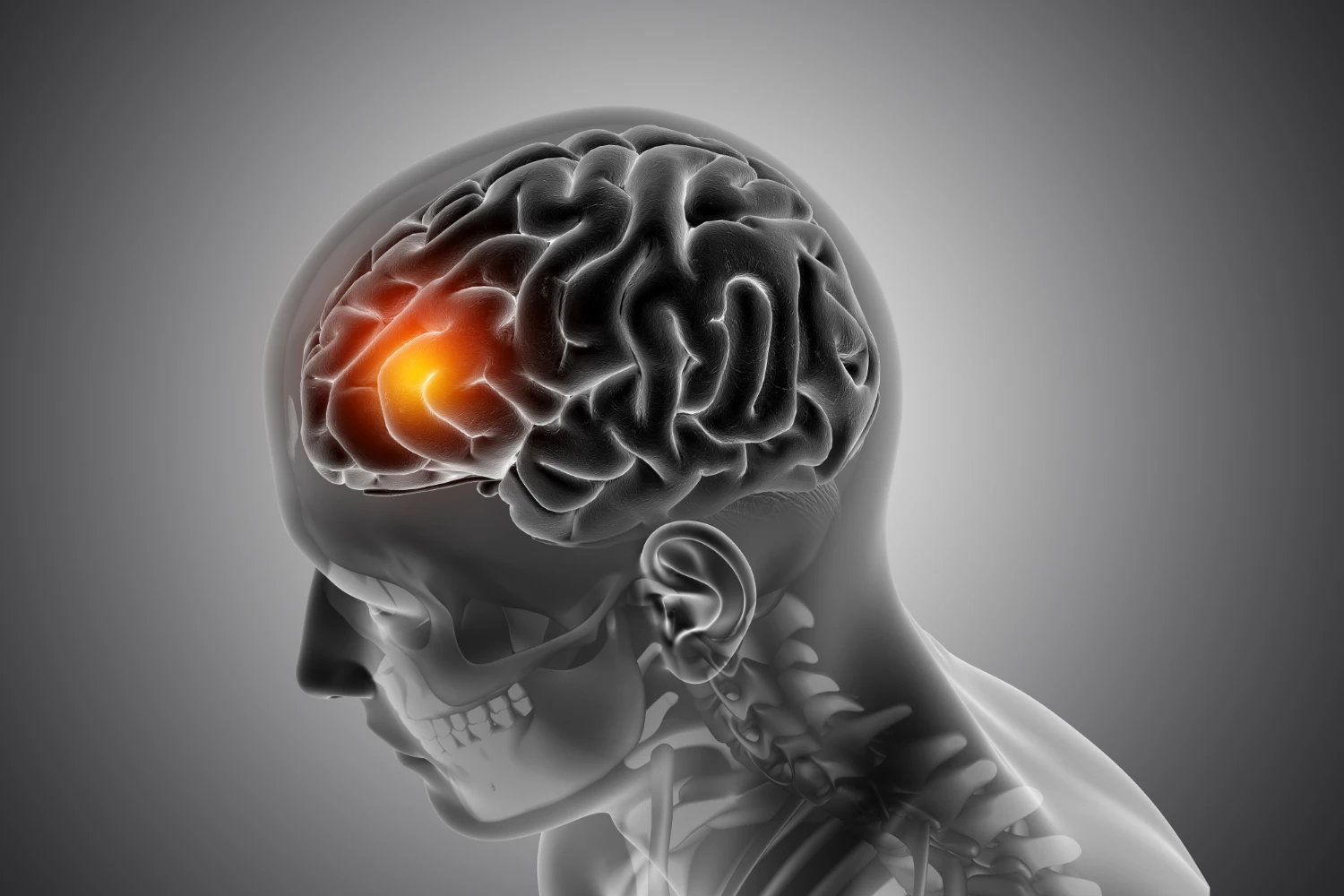
Attention Deficit Hyperactivity Disorder (ADHD) is a neurological condition that affects focus, attention, and impulse control. Many adults and children may overlook symptoms, assuming they are just personality traits, which can delay proper assessment and care. Recognizing ADHD early is crucial for managing daily life, academics, and social interactions effectively.
At Lokmanya Hospitals, we provide structured evaluations and personalized interventions to help individuals understand their symptoms. Our experienced ADHD doctors in Pune assess behavioral patterns, cognitive performance, and medical history to deliver an accurate diagnosis. With a combination of neurological expertise and supportive therapies, we design targeted treatment plans for improved attention, organization, and emotional regulation, making ADHD treatment in Pune effective and tailored to each patient’s needs.
Signs and Symptoms of ADHD
ADHD manifests differently in individuals, and symptoms can vary based on age and neurological factors. At Lokmanya Hospital in Pune, we look for key signs that may indicate ADHD and guide families toward proper evaluation.
Inattention Symptoms
- Difficulty Sustaining Focus: Individuals may struggle to complete tasks, follow instructions, or remain attentive during meetings or classes. This can affect work, studies, and daily routines significantly.
- Forgetfulness and Disorganization: Frequent loss of items, missed deadlines, and difficulty planning ahead are common and can impact academic and professional performance.
- Avoiding Tasks Requiring Concentration: Tasks that require sustained mental effort are often avoided, causing challenges in productivity and learning.
Hyperactivity and Impulsivity Symptoms
- Restlessness and Fidgeting: Individuals may feel the need to move constantly, tapping hands or feet, or shifting in their seat, which can disrupt focus and social interactions.
- Impulsive Decisions: Acting without thinking, interrupting others, or making snap judgments can lead to social and professional challenges.
- Difficulty Waiting or Following Rules: Patience is often limited, leading to frustration in structured environments or group settings.
How ADHD is Diagnosed
ADHD is a neurological condition, and diagnosis requires professional evaluation. At Lokmanya Hospitals, Pune, we perform detailed neurological assessments to identify brain function patterns that contribute to attention and impulsivity challenges.
- Comprehensive Interviews: Our ADHD doctors in Pune interview patients and families to understand symptom history, frequency, and severity across different settings.
- Cognitive Testing: Standardized tests assess attention span, memory, and executive functions to evaluate neurological functioning and identify deficits.
- Behavioral Observation: Real-time observation and structured questionnaires help us confirm patterns of inattention, hyperactivity, and impulsivity.
Medical and Psychological Evaluation
- Medical History Review: We examine any underlying medical conditions or medications that may mimic ADHD symptoms.
- Psychological Assessment: Emotional, behavioral, and social factors are evaluated to rule out other conditions and ensure an accurate diagnosis.
- Integrated Diagnosis: Findings from neurological, psychological, and behavioral assessments are combined to provide a clear diagnosis and guide personalized treatment.
Why Choose Lokmanya Hospital for ADHD Care?
At Lokmanya Hospitals, Pune, we understand that ADHD affects every individual differently, and treatment must be personalized. Our team of ADHD doctors in Pune collaborates with neurologists, psychologists, and therapists to provide comprehensive care tailored to each patient’s needs.
We offer evidence-based interventions, including behavioral therapy, medication management, and lifestyle support. Choosing Lokmanya Hospital in Pune ensures access to a structured care pathway, continuous monitoring, and guidance for families and patients, helping individuals manage symptoms effectively and lead more organized, focused, and productive lives.
Conclusion
ADHD is a neurological disorder that can significantly impact focus, behavior, and daily functioning if left unrecognized or untreated. At Lokmanya Hospitals, we provide comprehensive evaluation and personalized interventions for individuals showing signs of inattention, hyperactivity, or impulsivity. Our experienced ADHD doctors in Pune use neurological, psychological, and behavioral assessments to deliver accurate diagnoses and recommend targeted therapies. Choosing Lokmanya Hospital in Pune ensures a holistic approach, helping patients manage symptoms, improve productivity, and enhance quality of life. With structured care and ongoing support, individuals with ADHD can develop strategies to thrive academically, socially, and professionally.
FAQs
- What are the main signs of ADHD?
Difficulty focusing, forgetfulness, restlessness, impulsive behavior, and challenges in organizing tasks are common signs of ADHD. - Who can diagnose ADHD in Pune?
Our experienced ADHD doctors in Pune provide neurological and behavioral evaluations for accurate diagnosis. - Is ADHD a neurological disorder?
Yes, ADHD involves differences in brain function related to attention, impulse control, and executive functioning. - At what age is ADHD diagnosed?
ADHD can be diagnosed in childhood, but adults can also be evaluated if symptoms have persisted. - Does ADHD require medication?
Treatment depends on individual needs; medication, behavioral therapy, or a combination may be recommended by ADHD doctors in Pune. - Can ADHD be managed without therapy?
Therapy and lifestyle modifications are essential for managing symptoms effectively and improving quality of life. - Why choose Lokmanya Hospital for ADHD care?
We provide personalized ADHD treatment in Pune, expert ADHD doctors in Pune, and a multidisciplinary team for structured, evidence-based care. - What therapies are available for ADHD?
We offer behavioral therapy, cognitive training, counseling, and supportive interventions tailored to each individual’s neurological and developmental needs.
Previous blog
 (1).webp)
What Are the Therapies for Autism?
Next blog
.webp)