Heart Failure & Kidney Failure Link Explained
Category: Urology
 Wed Mar 04 2026


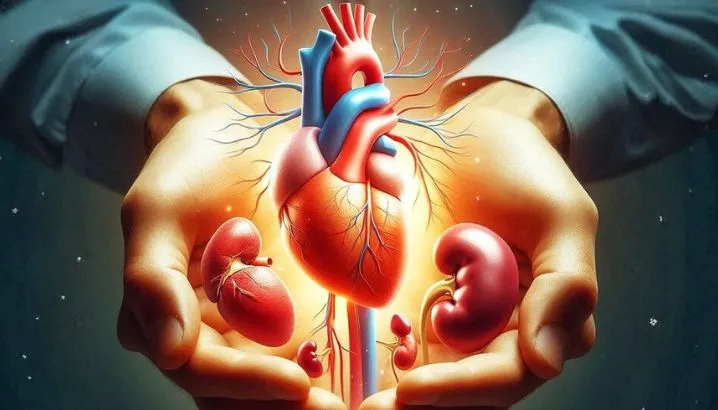
The heart and kidneys act like a team in your body—when one struggles, the other often follows.
This deep connection exists because your kidneys rely on a steady supply of oxygen-rich blood from your heart to filter toxins, while your heart depends on healthy kidneys to manage blood pressure and fluid balance.
If the heart cannot pump efficiently, the kidneys suffer from low blood flow; conversely, if the kidneys fail, fluid buildup puts immense strain on the heart, creating a cycle known medically as cardiorenal syndrome.
Key Takeaways
- Interconnected Organs: The heart and kidneys rely heavily on each other for proper function.
- Shared Risks: High blood pressure and diabetes are the leading causes of damage to both organs.
- Early Detection: Swelling in the legs, fatigue, and shortness of breath can signal trouble in both systems.
- Combined Care: Treating one condition often requires carefully managing the other to prevent further damage.
- Prevention: Lifestyle changes like salt reduction and regular check-ups are your best defence.
How do the heart and kidneys work together in the body?
Think of your body as a complex plumbing system where the heart is the pump and the kidneys are the filters. The heart pumps oxygenated blood to every corner of your body, including the kidneys.
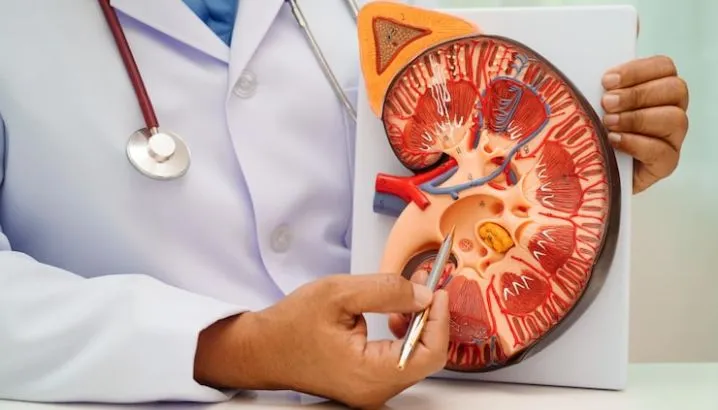
Once the blood reaches the kidneys, these organs filter out waste products and excess water, turning them into urine. They also release hormones that help regulate blood pressure and produce red blood cells.
When this system works well, your blood pressure remains stable, and your body stays free of toxins. However, because this relationship is so vital, disruptions can be dangerous.
At Lokmanya Hospitals, a leading Super speciality hospital in Pune, we often see patients who are surprised to learn that their heart condition is actually affecting their renal health, or vice-versa. Understanding this biological teamwork is the first step toward better health management.
Why are the heart and kidneys so closely connected?
The connection is primarily about blood flow and pressure. Your kidneys process about 20% of the blood your heart pumps with every beat.
If your heart weakens—a condition known as heart failure—it cannot push enough blood to the kidneys. Without adequate blood flow, the kidneys can’t filter waste effectively.
On the flip side, damaged kidneys release hormones that can raise blood pressure to dangerous levels. They also struggle to remove excess fluid from the blood.
This extra fluid increases the volume of blood the heart has to pump, forcing it to work harder and eventually weakening the heart muscle.
This "vicious cycle" is why doctors now focus heavily on cardiorenal health rather than treating the organs in isolation.
The Cardiorenal Connection
The relationship is bidirectional, meaning the damage flows both ways. Here is how they impact each other:
Feature | Impact of Heart Failure (HF) on Kidneys | Impact of Kidney Failure (KF) on Heart |
|---|---|---|
Blood Flow | Reduced Output: The heart can't pump enough blood, leading to "hypoperfusion" (starving the kidneys of oxygen). | Fluid Overload: Kidneys fail to remove excess water, increasing the volume of blood the heart must move. |
Pressure | Venous Congestion: Blood backs up in the veins, creating "back pressure" that prevents kidneys from draining properly. | Hypertension: Kidneys regulate blood pressure; when they fail, BP spikes, forcing the heart to work harder. |
Hormones | RAAS Activation: Low blood flow signals kidneys to release hormones that retain salt/water, unintentionally bloating the heart. | Chemical Imbalance: Failure to filter waste leads to high potassium or urea, which can cause heart arrhythmias. |
Anemia | Heart failure can lead to chronic inflammation, suppressing red blood cell production. | Kidneys produce erythropoietin; without it, anemia develops, forcing the heart to beat faster to carry oxygen. |
What causes heart failure and kidney failure to occur together?
Often, it isn't just one event that triggers failure in both organs, but a gradual decline caused by shared underlying issues. Medical professionals refer to this dual failure as cardiorenal syndrome.
It can happen acutely (suddenly), such as after a severe heart attack that shocks the kidneys, or chronically (over time), where long-term heart disease slowly degrades kidney function.
For many of our patients in Pune, the link is often discovered during routine checks for chronic conditions.
Fluid retention is a major culprit here; when the heart is weak, blood backs up in the veins, causing congestion in the kidneys.
This congestion prevents the kidneys from draining properly, leading to damage that can become permanent if not treated promptly.
What are the shared risk factors for both conditions?
It is rare for heart or kidney failure to appear out of nowhere. They are usually the result of long-standing health issues. The most significant shared risk factors include:
- High Blood Pressure (Hypertension): This is the single biggest enemy for both organs. High pressure damages the delicate blood vessels in the kidneys and thickens the heart muscle until it fails.
- Diabetes: High blood sugar damages the filtering units in the kidneys and the blood vessels and nerves controlling the heart.
- Obesity: Excess weight forces both the heart and kidneys to work harder to support the body’s metabolic needs.
- Smoking: This accelerates the hardening of arteries, reducing blood flow to both organs.
Recognizing these risks is essential. As the Best urology treatment Hospital for comprehensive care, we emphasize that managing these underlying conditions is the most effective way to protect both your heart and your kidneys simultaneously.
What are the symptoms of heart failure and kidney failure?
Because these organs are so linked, their warning signs often overlap, which can be confusing for patients. Knowing what to look for can save lives.
Common symptoms include:
- Swelling (Edema): Usually in the legs, ankles, or feet, caused by fluid buildup.
- Shortness of Breath: This happens when fluid backs up into the lungs because the heart can't pump it out and kidneys can't filter it.
- Fatigue: A general feeling of tiredness occurs because the body isn't getting enough oxygenated blood.
- Confusion or Brain Fog: High toxin levels (from kidney failure) or poor blood flow (from heart failure) can affect mental clarity.
- Changes in Urination: Urinating less frequently or seeing foamy urine can indicate kidney distress.
If you are experiencing these symptoms, you may want to read our detailed guide on What Happens If My Kidneys Fail Completely? for more information on managing advanced stages.
Don’t Ignore the Warning Signs
Experiencing swelling in your legs, shortness of breath, persistent fatigue, or changes in urination? These could be early signs of heart and kidney stress.
Early diagnosis can prevent serious complications.
Call Lokmanya Hospitals, Pune today to consult our expert cardiologists and nephrologists for comprehensive heart and kidney care.
How are heart failure and kidney failure diagnosed?
Diagnosis typically involves a combination of blood tests, imaging, and physical exams. Doctors will look for:
- Creatinine levels: A waste product in the blood that healthy kidneys should filter out. High levels suggest kidney issues.
- BNP (B-type Natriuretic Peptide): A hormone released by the heart when it is under stress. High levels usually indicate heart failure.
- eGFR (Estimated Glomerular Filtration Rate): This calculates how well your kidneys are filtering waste.
- Echocardiogram: An ultrasound of the heart to check its pumping strength.
Early diagnosis is critical. If you are experiencing symptoms, our specialists use these diagnostic tools to pinpoint exactly where the cycle of damage began.
How are heart failure and kidney failure treated together?
Treating cardiorenal issues requires a delicate balance. Medications that help the heart can sometimes strain the kidneys, and vice versa.
For example, diuretics (water pills) are essential for removing excess fluid to help the heart, but overusing them can dehydrate the body and hurt kidney function.
Treatment plans usually focus on:
- Managing Blood Pressure: Using ACE inhibitors or ARBs to protect both organs.
- Controlling Blood Sugar: Strict diabetes management is non-negotiable.
- Dietary Changes: A low-sodium (salt) diet is crucial to stop fluid retention.
- Anemia Management: Ensuring you have enough red blood cells to carry oxygen to these organs.
Can you recover from heart failure and kidney failure?
Recovery depends largely on whether the damage is acute (sudden) or chronic (long-term).
If the failure is caused by a sudden event, like a severe infection or a treatable heart blockage, kidney function may recover once the heart is stabilized.
However, for chronic conditions, the goal often shifts from "cure" to "management." While you may not fully restore lost function, you can stabilize your condition and live a fulfilling life.
With the right kidney failure treatment Hospital in Pune in Lokmanya Hospitals, patients receive integrated care plans designed to slow disease progression and improve quality of life.
How can I cope emotionally with these conditions?
Receiving a diagnosis involving two major organs can be overwhelming. It is normal to feel anxious or scared. Emotional stress can actually worsen heart health, so addressing your mental well-being is part of the medical process.
- Build a support system: Talk to family or join patient support groups.
- Focus on what you can control: Taking your medication and eating right empowers you.
- Ask questions: Fear often comes from the unknown. Ask your doctor to explain anything you don't understand.
How can I prevent heart failure and kidney failure?
Prevention is always better than cure. Protecting one organ usually protects the other.
- Watch your salt intake: Excess salt raises blood pressure and retains fluid.
- Stay active: Regular, moderate exercise keeps the heart strong and helps manage weight.
- Hydrate wisely: Drink enough water, but don't overdo it if you have been advised to limit fluids.
- Regular screenings: If you have diabetes or high blood pressure, get your kidney function and heart health checked annually.
Conclusion
The link between your heart and kidneys is undeniable; they are partners in keeping you alive and well.
When one falters, the other is at risk, but with early detection and the right lifestyle adjustments, you can break the cycle of damage. You don't have to navigate this complex diagnosis alone.
If you are experiencing symptoms like persistent swelling, fatigue, or breathlessness, contact Lokmanya Hospitals, Pune today.
Our team of expert cardiologists and nephrologists is ready to provide the compassionate, specialized care you need to protect your future.
Frequently Asked Questions
1. Can heart failure cause kidney failure directly?
Yes, it can. When the heart weakens, it reduces blood flow to the kidneys. Without adequate blood flow, kidney cells can become damaged and die, leading to kidney failure. This is often referred to as "pump failure" affecting the filters.
2. Is kidney failure reversible if caused by heart problems?
In acute cases, yes. If the heart function is improved quickly—through medication or procedures—kidney function often returns to normal. However, if the heart failure has been chronic and untreated for years, the kidney damage may be permanent.
3. What lifestyle changes can reduce the risk of both conditions?
The most effective changes are reducing salt intake to lower blood pressure, quitting smoking to improve circulation, managing blood sugar levels if you are diabetic, and maintaining a healthy weight to reduce the workload on both organs.
4. How does diabetes or high blood pressure affect the heart and kidneys?
High blood pressure damages the arteries leading to both organs, restricting blood flow. Diabetes causes high blood sugar, which slowly destroys the tiny filters in the kidneys and damages the nerves and blood vessels controlling the heart.
5. When should I see a doctor for heart or kidney concerns?
You should see a doctor immediately if you notice sudden swelling in your legs or abdomen, shortness of breath while lying down, persistent fatigue, or a decrease in urination. These are signs that your heart and kidneys may be struggling to manage fluid balance.
Previous blog