Deep Brain Stimulation (DBS): What Is It
Category: Neurology
 Fri Sep 11 2026


When movement problems start interfering with walking, writing, eating or everyday independence, patients often ask me whether surgery is the next step.
Deep brain stimulation is a specialised treatment that can reduce certain movement symptoms in carefully selected patients, but it isn't a cure and it isn't suitable for everyone.
I’m Dr. Manish Sabnis, the best neurosurgeon in Pune at Lokmanya Hospital, and I want to explain what DBS can realistically offer, how the procedure works and what you should consider before making a decision.
Key Takeaways
- DBS can help control selected movement symptoms when medicines aren't providing enough control.
- Parkinson's disease, essential tremor and dystonia are among the main conditions treated with DBS.
- Careful assessment before surgery is just as important as the operation itself.
- DBS requires ongoing programming and follow-up after the device is implanted.
- DBS manages symptoms but doesn't stop the underlying progression of Parkinson's disease.
What exactly is DBS and how does it work?
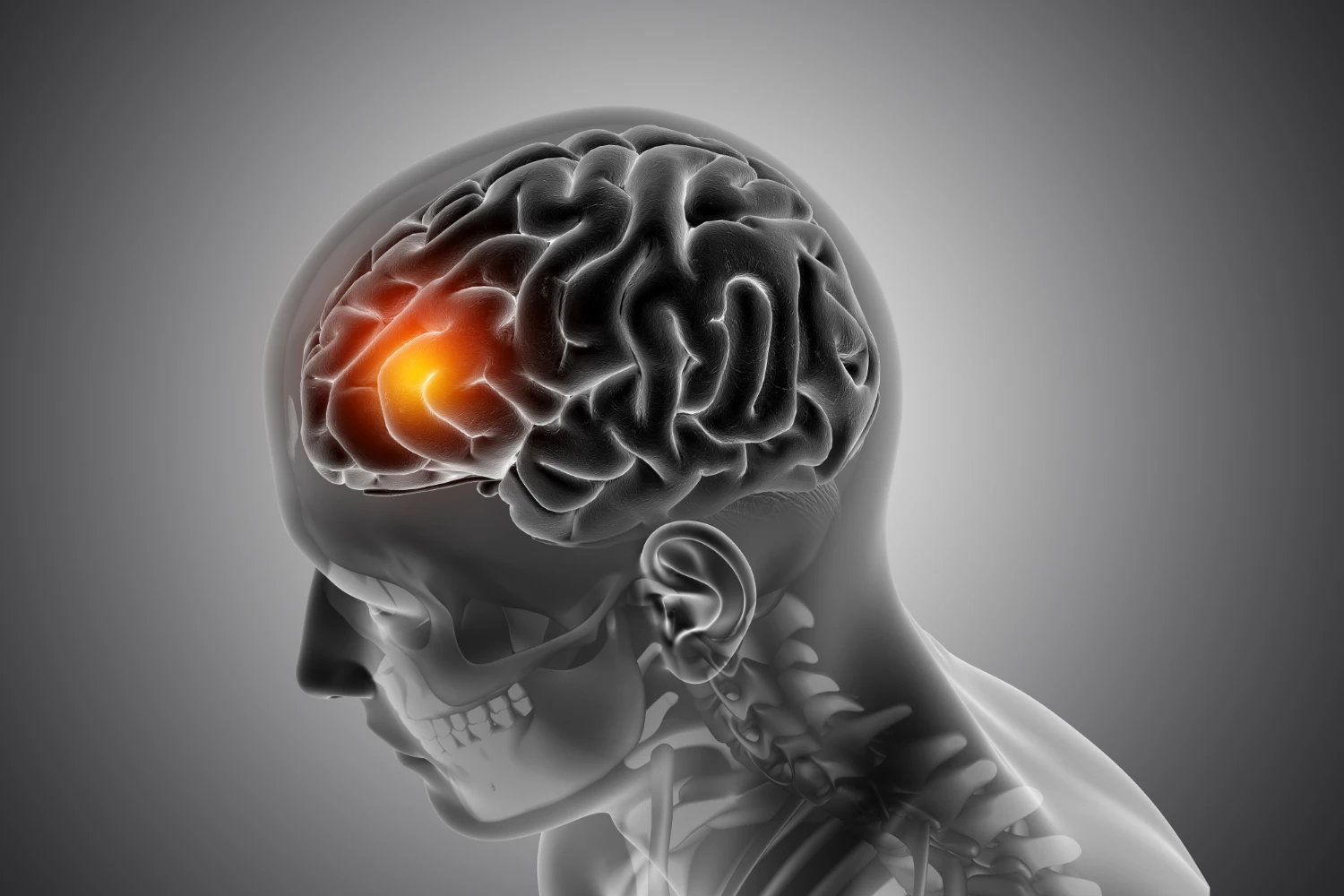
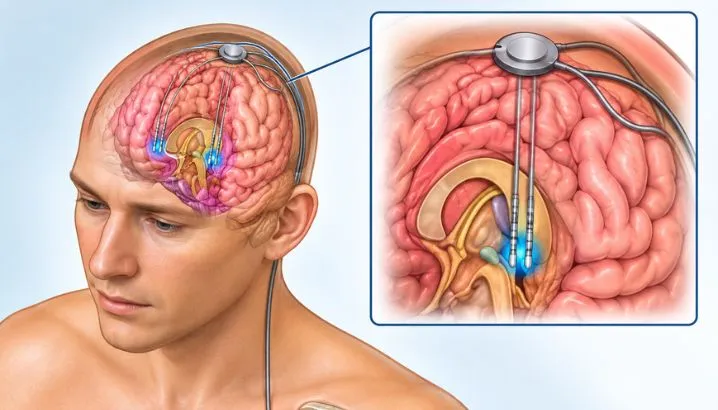
DBS uses small electrodes placed in specific areas of the brain to deliver controlled electrical stimulation that can regulate abnormal movement signals.
The electrodes connect through wires under the skin to a neurostimulator, a small device generally placed under the skin near the chest.
- Brain leads: Thin electrodes are positioned in a carefully selected area of the brain according to the condition being treated.
- Neurostimulator: This device generates the electrical pulses that travel through the implanted system.
- Targeted stimulation: The brain target is chosen according to the symptoms and diagnosis.
- Adjustable treatment: Unlike a destructive brain procedure, stimulation settings can be changed after surgery.
The aim isn't to "switch off" the brain. The purpose is to influence abnormal electrical activity involved in the movement disorder while preserving normal brain function.
Which conditions can DBS treat?
DBS is mainly used for selected movement disorders, particularly Parkinson's disease, essential tremor and dystonia.
For an independent government reference on how this treatment developed and what it targets in the brain, NINDS's fact sheet on deep brain stimulation for movement disorders covers the specific brain structures involved and the research behind it.
It can also have a role in selected cases of epilepsy and certain other conditions, depending on the clinical situation and regulatory indications.
- Parkinson's disease: DBS can help selected patients with tremor, stiffness, slowness of movement, dyskinesia and medication-related fluctuations.
- Essential tremor: DBS can reduce disabling tremor, particularly when medicines aren't providing adequate control.
- Dystonia: Selected patients with persistent involuntary muscle contractions may benefit from targeted stimulation.
- Target selection: Different brain regions are considered for different symptoms and conditions.
This is why I don't recommend DBS simply because a person has a particular diagnosis. The diagnosis, symptom pattern, response to medicines, general health and treatment goals all need to be considered together.
When should you consider DBS instead of continuing medication?
DBS may be considered when appropriate medicines no longer provide consistent symptom control, or when medication-related problems are substantially affecting daily life.
- Motor fluctuations: You may have periods when your medicine works well and other periods when symptoms return before the next dose.
- Dyskinesia: Some patients develop involuntary movements related to Parkinson's medication.
- Persistent tremor: Tremor may remain disabling despite appropriate medical treatment.
- Medication response: For Parkinson's disease, a meaningful response to levodopa often helps predict which movement symptoms may respond to DBS.
A common misconception is that you should wait until medicines stop working completely. That isn't the right way to think about DBS. If the symptoms that matter to you still respond to medication but treatment has become difficult to manage, it may be appropriate to discuss advanced treatment options earlier with a movement-disorder team.
Who is a good candidate for DBS?
A good candidate is someone whose symptoms are likely to respond to stimulation and who is medically and psychologically suitable for the procedure. There isn't one single checklist that determines suitability for every patient.
- Neurological assessment: I need to understand the exact diagnosis, symptom pattern and previous treatment response.
- Medication assessment: Your response to medicines, particularly levodopa in Parkinson's disease, is important.
- Cognitive assessment: Memory and thinking are assessed because significant cognitive problems can affect suitability and outcomes.
- General health: You need to be fit enough to undergo the procedure safely.
- Expectations: You and your family should understand which symptoms DBS is expected to improve and which may remain.
Family involvement can be useful here. DBS is not simply an operation followed by a return to exactly the same treatment routine. It involves healing, programming, medication adjustments and continuing follow-up.
How does DBS surgery work?
DBS surgery involves placing the brain electrodes accurately and connecting them to the implanted neurostimulator. Brain imaging and detailed surgical planning are used to identify the appropriate target.
- Planning: MRI or CT imaging may be used to map the brain and plan the electrode trajectory.
- Lead placement: The surgeon places one or more thin electrodes through small openings in the skull.
- Neurostimulator placement: The pulse generator is implanted under the skin, commonly around the chest area.
- Anaesthesia approach: Depending on the centre, patient and surgical plan, the procedure may be performed while awake, under sedation or under general anaesthesia.
- Programming: The device isn't simply turned on and forgotten. DBS programming is adjusted according to your symptoms and response.
Some patients are surprised to learn that the operation itself is only one part of the treatment journey. Good patient selection, accurate lead placement, and careful programming all contribute to the final result.
What are the risks and side effects of DBS?
DBS is a specialized brain procedure, so it has surgical risks as well as possible side effects from stimulation. These should be discussed individually before surgery.
- Surgical risks: Bleeding, infection, seizures, and injury to brain tissue are recognized complications.
- Stimulation effects: Some patients can experience dizziness, tingling, speech changes, balance problems, or unwanted movements.
- Device problems: Leads, connecting wires, or the neurostimulator can occasionally malfunction or require revision.
- Cognitive and emotional health: Memory, thinking, mood, and behavior need attention before and after treatment.
- Programming-related effects: Some stimulation side effects can improve when settings or medicines are adjusted.
The important point is that risk isn't the same for every patient. Your age, diagnosis, general health, brain imaging, medication response, and other medical factors all affect the decision.
What is DBS recovery like?
Recovery involves healing from surgery first, followed by gradual adjustment of the stimulation settings and medicines. The improvement isn't always immediate because the device needs to be programmed for your individual symptoms.
- Early recovery: Your surgical wounds need time to heal, and you may initially need help with some routine activities.
- Device activation: Programming usually begins after the initial surgical recovery, depending on the treatment plan.
- Beyond the device programming itself, many patients also benefit from structured therapy during this period. What Is Neurological Rehabilitation? covers how physical, occupational, and other therapies support patients managing tremor, rigidity, and gait changes, whether or not DBS is part of their treatment.
- Fine-tuning: Several appointments may be needed to identify settings that provide symptom control while limiting unwanted effects.
- Medication changes: Some patients can reduce certain medicines, but DBS doesn't mean you automatically stop all medication.
- Long-term follow-up: Your symptoms and device settings can change over time, so continued review remains important.
I tell patients to think of DBS as a long-term treatment programme rather than a one-day operation. That mindset helps you prepare for the process and avoid unrealistic expectations.
Can DBS cure Parkinson's disease or stop it from progressing?
No, DBS doesn't cure Parkinson's disease or stop the underlying neurodegenerative process. Its role is to manage selected symptoms and improve movement control in appropriate patients.
It can be particularly useful for symptoms such as tremor, stiffness, slowness, dyskinesia and fluctuations in movement control. However, symptoms that don't respond to medication may not respond to DBS in the same way.
This distinction matters. The goal isn't to promise that Parkinson's will disappear. The goal is to improve the symptoms that are limiting your function and quality of life.
What should you ask your doctor before choosing DBS?
Before agreeing to surgery, you should understand what DBS is expected to improve in your particular case and what it may not change.
- Ask about your target: Which brain area is being considered, and why is it appropriate for your symptoms?
- Ask about expected benefit: Which symptoms are likely to improve and which may remain?
- Ask about risk: What surgical and stimulation-related risks are particularly relevant to you?
- Ask about follow-up: Who will manage programming and medication adjustments after surgery?
- Ask about alternatives: Are medication changes or another advanced treatment more appropriate for your situation?
If you are researching deep brain stimulation in Pune, the most useful next step isn't to decide on surgery from online information alone. A specialist assessment can determine whether your symptoms, diagnosis and treatment history make DBS a reasonable option for you.
When should you seek a specialist opinion?
You should discuss advanced treatment options when your movement symptoms are becoming difficult to control despite appropriate medical treatment, when medication "off" periods are interfering with daily activities, or when tremor, dyskinesia or other movement symptoms remain disabling.
I recommend discussing these changes with a movement-disorder specialist or neurosurgeon experienced in functional neurosurgery rather than waiting until your daily independence has been severely affected.
If you would like an individual assessment, you can consult Dr. Manish Sabnis, Sr. Consultant Neurosurgeon at Lokmanya Hospitals, Pune, for evaluation of movement disorders and suitability for advanced neurosurgical treatment.
The decision for DBS should be based on your diagnosis, symptoms, treatment response, overall health and personal goals.
Final Thoughts
DBS can be an important treatment option for carefully selected patients whose movement symptoms aren't adequately controlled with medication.
It can improve specific symptoms, but it isn't a cure and doesn't remove the need for ongoing medical care.
I encourage patients and families to approach DBS with informed optimism. The right question isn't simply, "Can DBS work?" It is, "Is DBS appropriate for my symptoms, my health and the goals I want to achieve?" A detailed specialist assessment can help you answer that question safely.
Frequently Asked Questions
Is DBS surgery painful?
DBS surgery is performed with appropriate anaesthesia and pain management, so the procedure itself shouldn't be experienced as uncontrolled pain. Some discomfort, headache or soreness can occur during recovery.
Can you live a normal life after DBS?
Many people are able to return to everyday activities after recovery, but the outcome depends on the underlying condition, symptoms, general health and response to treatment. I encourage patients to set realistic, individual goals rather than expect every symptom to disappear.
Do you still need medication after DBS?
Yes, many patients continue taking medication after DBS, although some may be able to reduce their doses. Medication changes should always be made under the treating team's supervision.
Can DBS be turned off if I don't like how it feels?
Yes, the stimulation can generally be adjusted or switched off using the appropriate patient controller under medical guidance. Some stimulation-related side effects can improve after programming changes.
Will I be awake during brain surgery?
Not necessarily. Some DBS procedures are performed with the patient awake, while others use sedation or general anaesthesia. The approach depends on the patient, surgical technique and centre.
Can DBS affect memory?
Cognitive and psychological health are assessed before surgery because DBS isn't appropriate for everyone with significant cognitive problems. Any new changes in memory, thinking or behaviour after treatment should be discussed with the DBS team.
Can DBS stop tremors permanently?
DBS can provide long-term symptom control for appropriate patients, but it doesn't permanently remove the underlying condition. Stimulation settings may need adjustment as symptoms and treatment needs change.
What happens if the DBS battery runs out?
The neurostimulator has a battery that needs monitoring. Depending on the device, battery replacement may eventually be required, usually through a procedure involving the generator rather than replacing the brain lead.
Can DBS be used for conditions other than Parkinson's disease?
Yes. DBS is also used for selected patients with conditions such as essential tremor and dystonia, and it has approved uses in selected epilepsy cases. The suitability of DBS depends on the specific diagnosis and clinical circumstances.
How long does DBS treatment last?
DBS is intended as a long-term therapy, but it requires ongoing follow-up. The implanted hardware and battery have their own lifespan, while programming and medication management may need to change as your condition evolves.
Medical Disclosure: This article is intended for general educational purposes only and does not replace personalised medical advice, diagnosis or treatment. DBS is a specialised procedure, and suitability, expected benefits and risks must be assessed individually by a qualified medical team.