Causes of Lower Respiratory Tract Infection
Category: Pulmonology
 Mon Feb 02 2026


The lower respiratory tract, which includes the windpipe (trachea), bronchial tubes, and the lungs, is indispensable for breathing. A Lower Respiratory Tract Infection (LRTI) occurs when these areas become inflamed due to an invasion of microorganisms. While upper respiratory infections like the common cold are frequent, LRTIs like pneumonia or bronchitis are often more severe and require specialized medical attention.
At Lokmanya Hospital, a top hospital for respiratory diseases in Pune, we focus on identifying the root cause of these infections to provide targeted treatment. With a team of the best pulmonologists in Pune and the latest diagnostic tools, Lokmanya Hospital ensures that patients receive the care necessary to recover quickly and prevent long-term lung damage.
Common Causes of Lower Respiratory Tract Infections
- Bacterial Infections: Bacteria are a primary cause of severe LRTIs like pneumonia. Streptococcus pneumoniae is the most common culprit. These infections often require antibiotic treatment and can become serious if left unmanaged.
- Viral Infections: Viruses are responsible for many cases of bronchitis and bronchiolitis. The influenza virus (flu) and Respiratory Syncytial Virus (RSV) are common triggers, especially during seasonal changes in Pune.
- Fungal Infections: Although less common, certain fungi found in soil or bird droppings can cause infections, particularly in individuals with weakened immune systems.
- Environmental Irritants: Chronic exposure to air pollution, tobacco smoke, dust, and chemical fumes can irritate the lower airways, making them more susceptible to infectious agents.
- Aspiration: This occurs when food, liquids, or stomach acid are accidentally inhaled into the lungs, leading to inflammation and potential bacterial growth (aspiration pneumonia).
Treatment Options for LRTIs at Lokmanya Hospital
At Lokmanya Hospital, patients with lower respiratory tract infections receive comprehensive care tailored to the specific pathogen causing the illness. Our approach combines clinical expertise with advanced recovery protocols:
1. Medical Management
- Antibiotics: If the infection is bacterial, our specialists prescribe targeted antibiotics to eliminate the bacteria.
- Antivirals: For specific viral infections like the flu, antiviral medications may be used to reduce the severity and duration of symptoms.
- Bronchodilators: These medications help open up the airways, making it easier for patients with bronchitis to breathe.
2. Supportive Respiratory Care For more severe cases where breathing is significantly labored, Lokmanya Hospital provides:
- Oxygen Therapy: Ensuring the blood stays oxygenated while the lungs heal.
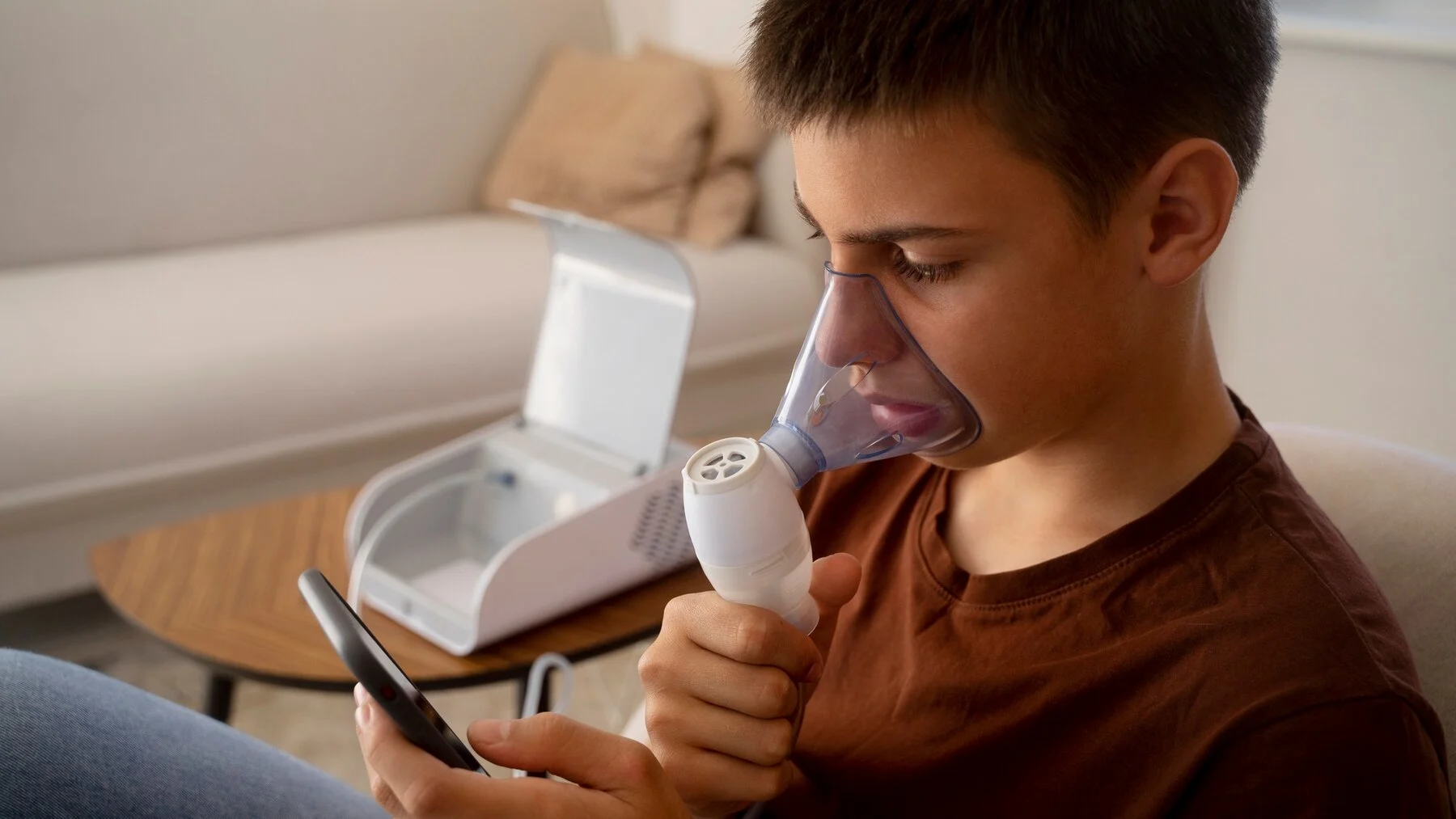
- Nebulization: Delivering medication directly into the lungs through a fine mist to reduce inflammation.
- Physiotherapy: Chest physiotherapy to help clear mucus and secretions from the bronchial tubes.
3. Advanced Diagnostics To ensure an accurate diagnosis, we utilize high-resolution CT scans, digital X-rays, and advanced pathology labs to identify the specific cause of the infection, allowing for the best lung treatment in Pune.
Lifestyle Tips to Support Lung Health
Preventing an infection is always better than treating one. Adopting these habits can help protect your lower respiratory tract:
- Quit Smoking: Smoking damages the cilia (tiny hairs) in your lungs that clear out mucus and pathogens, significantly increasing your risk of LRTI.
- Practice Good Hygiene: Frequent handwashing prevents the spread of viruses and bacteria that cause respiratory illnesses.
- Get Vaccinated: Stay up to date with flu and pneumococcal vaccines. These are highly effective in preventing the most common causes of pneumonia.
- Improve Indoor Air Quality: Use air purifiers and ensure proper ventilation in your home to reduce the concentration of indoor pollutants and allergens.
- Maintain Hydration: Drinking plenty of fluids helps thin the mucus in your lungs, making it easier for your body to expel irritants.
When to Consult a Doctor
You should seek medical advice if you experience a persistent cough with thick or colored mucus, shortness of breath, chest pain while breathing, or a high fever that does not subside. Early intervention is key to preventing complications like respiratory failure or lung abscesses.
Why Choose Lokmanya Hospital for Respiratory Treatment
Lokmanya Hospital is recognized as the best hospital for lung infection treatment in Pune. Our pulmonology department is equipped with the latest technology to handle everything from acute bronchitis to complex pneumonia cases.
With a patient-centric approach, our specialists for respiratory infections in Pune create personalized recovery plans that include not just medicine but also long-term pulmonary rehabilitation. Families trust Lokmanya Hospital for our legacy of clinical excellence and our commitment to restoring the respiratory health of our community.
Conclusion
Understanding the causes of lower respiratory tract infections is the first step toward effective prevention, early treatment, and long-term recovery. These infections can range from mild to life-threatening if ignored, making awareness and timely action essential. Simple measures such as maintaining good lung hygiene, avoiding pollutants, strengthening immunity, and not delaying medical consultation can significantly reduce risks and complications.
Early diagnosis plays a crucial role in preventing the infection from worsening and spreading. If you or a loved one are experiencing persistent cough, breathlessness, chest discomfort, or recurring respiratory symptoms, professional care is vital. Lokmanya Hospital in Pune provides comprehensive respiratory diagnostics, experienced specialists, and advanced treatment facilities to ensure accurate care and faster recovery, helping you regain comfort and breathe with confidence once again.
FAQs
1. What is the most common cause of LRTI?
Bacteria and viruses are the most common causes, with Streptococcus pneumoniae being a frequent bacterial trigger.
2. How is a lower respiratory infection different from a cold?
A cold affects the nose and throat (upper tract), while an LRTI affects the lungs and airways, often causing more severe coughing and breathing difficulty.
3. Can pollution in Pune cause lung infections?
Yes, high levels of pollutants can irritate the lungs and weaken their defenses, making it easier for infections to take hold.
4. Is pneumonia considered a lower respiratory tract infection?
Yes, pneumonia is one of the most common and serious types of LRTI.
5. Do I need antibiotics for every chest infection?
No, antibiotics only work on bacterial infections. Viral infections require rest, fluids, or antiviral medication.
6. How does Lokmanya Hospital diagnose LRTIs?
We use a combination of physical exams, chest X-rays, blood tests, and sometimes sputum culture or CT scans.
7. Is LRTI contagious?
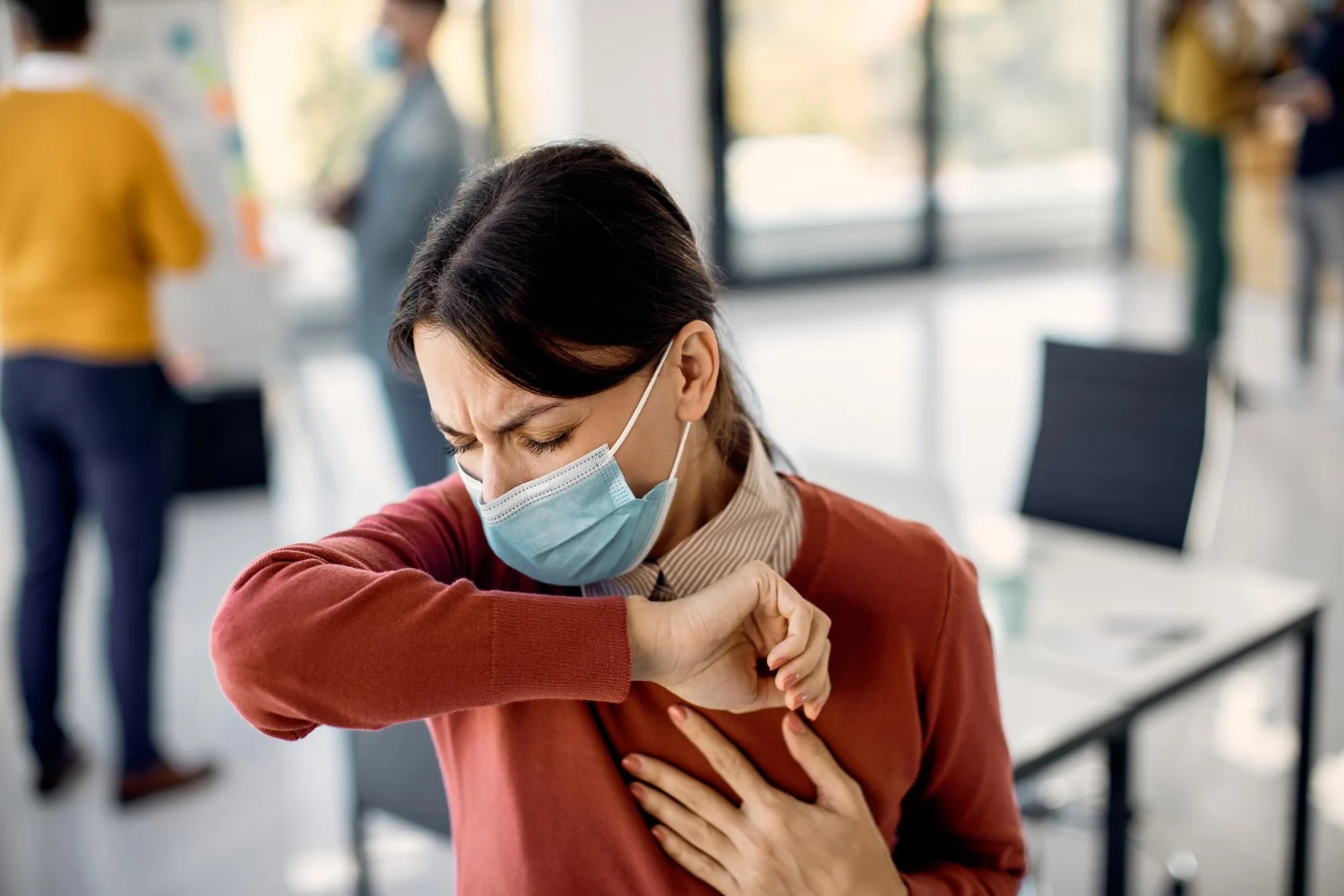
Many causes of LRTI, such as the flu or bacterial pneumonia, can be spread through respiratory droplets when an infected person coughs or sneezes.
8. Can I treat a mild LRTI at home?
Mild cases may resolve with rest and fluids, but it is essential to consult a doctor to ensure it doesn't progress into a severe condition.
9. What are the signs of a severe lung infection?
High fever, bluish tint to lips or fingernails, rapid breathing, and severe chest pain are signs that require immediate hospital care.
10. Are the elderly more at risk for LRTIs?
Yes, due to naturally weakening immune systems, seniors are more susceptible and should consider vaccinations.
11. Does Lokmanya Hospital offer vaccinations?
Yes, we provide adult and pediatric vaccination services, including flu and pneumonia shots.
12. What lifestyle change best prevents lung infections?
Quitting smoking is the single most effective lifestyle change to protect your lower respiratory tract.
13. How long does it take to recover from an LRTI?
Recovery varies; mild bronchitis may take a week, while severe pneumonia can take several weeks for full recovery.
14. Can asthma lead to more frequent LRTIs?
Chronic conditions like asthma can make the airways more sensitive, potentially increasing the risk of complications from infections.
15. Who are the best pulmonologists in Pune for LRTI?
Lokmanya Hospital houses some of the most experienced pulmonologists specializing in infectious respiratory diseases.
Previous blog

Common Nutritional Disorders in Elderly
Next blog