(1).webp)
Can Brain Inflammation Be Cured?
Category: Neurology
 Thu Dec 11 2025


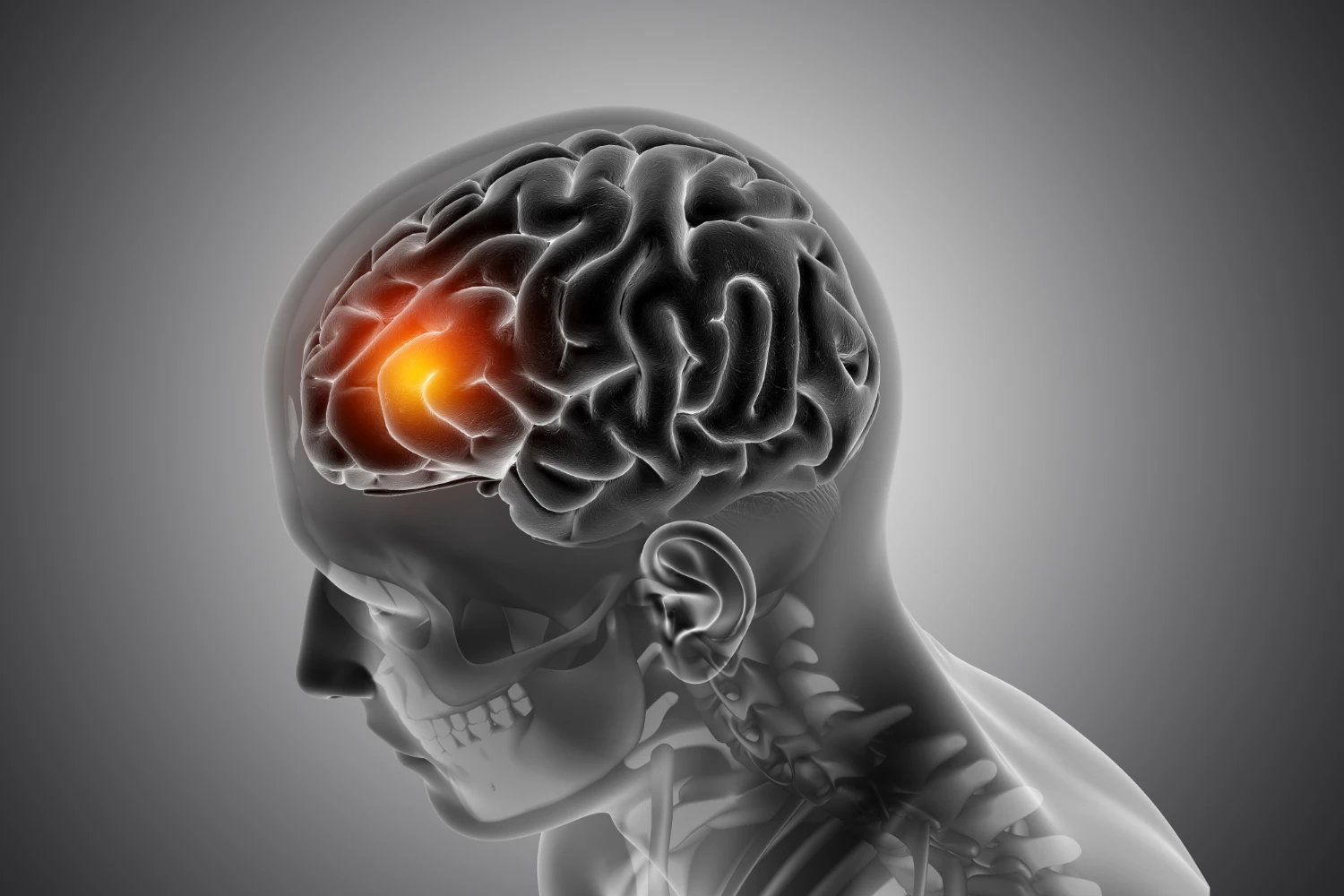
Brain inflammation is a serious neurological condition where the brain tissues swell due to infection, autoimmune reactions, or injury. This swelling can affect normal brain function, leading to symptoms such as severe headache, high fever, confusion, seizures, or cognitive difficulties. Early recognition and treatment are crucial to prevent long-term complications and improve recovery outcomes.
At Lokmanya Hospital, we specialise in managing brain inflammation with a patient-focused approach. As a leading centre for neurology treatment in Pune, we provide accurate diagnosis, personalised treatment plans, and continuous monitoring. Our team also educates families on recognising symptoms early, understanding treatment options, and supporting recovery at home, ensuring safe and effective care for all patients.
What is Brain Inflammation?
Brain inflammation, medically known as encephalitis or cerebral inflammation, occurs when the brain tissue becomes swollen and irritated due to various causes.
- Infections:- Viral, bacterial, fungal, or parasitic infections can trigger inflammation.
- Autoimmune reactions:- The immune system mistakenly attacks healthy brain cells, causing swelling.
- Injury or trauma:- Head injuries or post-surgical complications may lead to inflammatory reactions.
- Other medical conditions:- Chronic illnesses or cancers can sometimes contribute to brain inflammation.
Symptoms
- Severe headache:- Persistent, unusual pain that doesn’t respond to regular medications.
- Fever and chills:- Often accompanies other neurological symptoms.
- Confusion and memory issues:- Difficulty thinking, disorientation, or behavioural changes.
- Seizures:- Sudden abnormal electrical activity in the brain.
- Sensitivity to light and sound:- Increased discomfort in bright or noisy environments.
Recognising these signs early and consulting a neurology doctor in Pune is crucial for effective treatment.
How to Cure Brain Inflammation
Curing brain inflammation depends on the underlying cause and how quickly treatment begins.
- Targeted medication:- Antibiotics, antivirals, antifungals, or immunosuppressants depending on the cause.
- Anti-inflammatory therapy:- Corticosteroids or immunomodulatory drugs to reduce swelling.
- Supportive care:- Hydration, fever management, and continuous neurological monitoring.
- Hospitalisation:- Severe cases require ICU care to prevent complications.
- Rehabilitation:- Cognitive, physical, and occupational therapy may be necessary for complete recovery.
Early intervention improves outcomes and minimises the risk of permanent neurological damage.
Why Choose Lokmanya Hospital for Brain Inflammation Care?
At Lokmanya Hospital, our neurology specialists provide expert care for brain inflammation by combining early diagnosis with personalised treatment plans. We focus on determining the underlying cause whether infectious, autoimmune, or post-injury so that therapy is effective and timely. Continuous monitoring and prompt intervention help patients recover safely while reducing the risk of long-term neurological issues.
As a leading neurology hospital in Pune, we also prioritise family education. We guide families on recognising early symptoms, preventive measures, and strategies to manage recovery at home. This holistic approach ensures comprehensive care, including diagnosis, treatment, rehabilitation, and long-term support, giving families confidence that their loved ones are receiving the best possible care.
Conclusion
Brain inflammation is a serious neurological condition that requires immediate attention. Early recognition of symptoms like severe headache, fever, confusion, and seizures is essential to start treatment promptly and prevent long-term complications.
At Lokmanya Hospital, our experienced neurology team in Pune provides specialised care for brain inflammation, including accurate diagnosis, personalised treatment, and continuous monitoring. By combining early intervention, expert therapy, and family education, patients can recover effectively while minimising the risk of permanent neurological damage. With the right care, brain inflammation can be managed successfully, supporting both neurological health and overall quality of life.
FAQs
1. What is brain inflammation?
Brain inflammation occurs when brain tissues swell due to infection, autoimmune reactions, or injury, affecting neurological function.
2. Can brain inflammation be cured?
Yes, with timely diagnosis and appropriate treatment, most cases can be effectively managed.
3. What are the main symptoms?
Severe headache, fever, confusion, seizures, sensitivity to light or sound, and behavioural changes.
4. How is it diagnosed?
Blood tests, MRI/CT scans, cerebrospinal fluid analysis, and neurological assessment.
5. Does autoimmune brain inflammation require special treatment?
Yes, immunosuppressive therapy is often needed alongside supportive care.
6. How long does recovery take?
Recovery depends on severity and cause, often requiring hospital care and rehabilitation.
7. How does Lokmanya Hospital manage patients?
We provide diagnosis, personalised treatment, continuous monitoring, and rehabilitation support for full recovery.
Previous blog
 (1).webp)
How to Know If I Have ADHD?
Next blog
.webp)