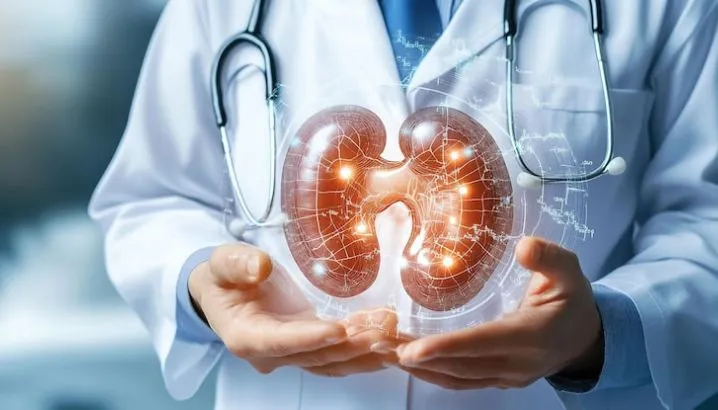
Advanced Kidney Failure Treatment
Category: Urology
 Mon Mar 09 2026


Facing advanced kidney failure is undoubtedly challenging, but understanding your treatment options—dialysis and kidney transplantation—empowers you to make the best choice for your future.
When kidneys lose 85-90% of their function, they can no longer keep you alive without medical intervention.
The main question patients face is not just how to survive, but how to live well: should you opt for dialysis, which mechanically filters your blood, or pursue a transplant, which replaces the organ entirely?
Both paths have distinct benefits and challenges, and the "right" choice depends on your medical history, lifestyle, and personal goals.
Key Takeaways
- Two Primary Paths: Treatment for end-stage renal disease generally involves either dialysis or a kidney transplant.
- Dialysis Reality: It is a life-saving, ongoing treatment that filters waste but requires a strict schedule and dietary changes.
- Transplant Potential: A successful transplant often offers a better quality of life and longer survival rates but involves major surgery.
- Combined Approach: Many patients start on dialysis while waiting for a suitable donor kidney.
- Personalised Care: The decision relies on age, overall health, and donor availability.
Understanding Advanced Kidney Failure
Advanced kidney failure, also known as End-Stage Renal Disease (ESRD), occurs when your kidneys are working at less than 15% of their normal capacity. To understand the full scope of this diagnosis, you can read our What Happens If Kidneys Fail?
At this stage, waste products and fluid build up in your body, leading to severe symptoms like nausea, extreme fatigue, and breathlessness.
The kidneys can no longer filter blood naturally, so medical intervention is required to perform this vital function.
Receiving this diagnosis can be overwhelming, but you are not alone. At Lokmanya Hospitals, a premier Advanced kidney failure treatment hospital , our team of nephrologists and surgeons works closely with patients to explain the progression of the disease.
We focus on stabilizing your condition while preparing you for the next steps in renal replacement therapy.
What Does Dialysis Involve?
Dialysis is a treatment that does some of the work that healthy kidneys used to do. It removes waste, salt, and extra water to prevent them from building up in the body. There are two main types of dialysis:
Haemodialysis
This is the most common form. Your blood is pumped through a machine (a dialyser) outside your body to filter out toxins before being returned to you.
- The Process: Usually done at a hospital or dialysis centre.
- Frequency: Typically requires three sessions a week, each lasting about four hours.
- Lifestyle Impact: It requires a fixed schedule, which can impact work and travel.
Peritoneal Dialysis
This uses the lining of your abdomen (the peritoneum) to filter your blood inside your body. A cleansing fluid flows into your abdomen through a catheter and absorbs waste.
- The Process: Can often be done at home, sometimes even while you sleep.
- Frequency: Done daily.
- Lifestyle Impact: Offers more freedom and flexibility but requires you to care for the catheter site diligently to prevent infection.
What Entails a Kidney Transplant?
A kidney transplant is a surgical procedure to place a healthy kidney from a living or deceased donor into your body. It is often considered the gold standard for treating kidney failure because it can restore near-normal kidney function.
Being recognised as the kidney treatment Hospital for advanced renal care, we often recommend transplantation for eligible candidates because it typically offers a longer life expectancy than dialysis.
However, it is a major surgery. After the operation, you must take anti-rejection medicines (immunosuppressants) for the rest of your life to stop your body from attacking the new organ.
While these drugs lower your immune system, most patients find this a worthy trade-off for the energy and freedom a new kidney provides.
Dialysis vs. Kidney Transplant: Key Difference
| Feature | Dialysis | Kidney Transplant |
| Diet | Very strict (low potassium, phosphorus, fluid) | More flexible, but healthy eating is crucial |
| Energy Levels | Often causes fatigue, especially after sessions | Usually results in a significant energy boost |
| Lifestyle | Time-consuming treatments several times a week | More freedom, no need for regular dialysis sessions |
| Treatment | Ongoing, lifelong process unless a transplant occurs | Major surgery followed by lifelong anti-rejection medication |
| Life Expectancy | Generally shorter than with a successful transplant | Typically offers a longer life expectancy |
How to Decide Which Option Is Right for You?
The decision is personal and medical. For many, it is not an "either/or" choice but a sequence; you may need dialysis while you wait for a transplant match.
Factors to consider include:
- Age and Health: Younger patients often benefit more from transplants, while older patients with other severe health issues might find dialysis safer.
- Donor Availability: Finding a match can take time. If you have a living donor (like a relative), a transplant can happen sooner.
- Lifestyle Goals: If travel and work flexibility are your top priorities, a transplant (or peritoneal dialysis) might be preferable.
Consulting the Best Kidney Failure Specialist in Pune is the most effective way to evaluate your "biological age" and medical history to determine the safest and most effective path forward.
Conclusion
Navigating advanced kidney failure requires a strong partnership between you and your medical team.
Whether you choose dialysis or a transplant, modern medicine has made it possible to live a fulfilling life despite kidney disease. The goal is not just survival, but reclaiming your quality of life.
If you are looking for a reliable kidney failure treatment in pune at Lokmanya Hospitals, our dedicated renal care unit offers world-class facilities for both dialysis and transplantation.
We are here to guide you through every test, decision, and procedure with compassion and expertise.
Take control of your kidney health today. Contact Lokmanya Hospitals, Pune to schedule a consultation with our expert nephrology team.
Frequently Asked Questions
1. Is a kidney transplant a permanent cure?
A transplant is a treatment, not a cure. While it can restore kidney function and drastically improve your life, you will need to take medication daily to keep the kidney healthy. A transplanted kidney can last for many years—often 15 to 20 years or more—but some patients may eventually need another transplant or return to dialysis.
2. Can I stop dialysis once I get a transplant?
Yes, in most cases. Once the new kidney starts working—which usually happens immediately or within a few days after surgery—you will no longer need dialysis.
3. Is dialysis painful?
Dialysis itself is not painful. However, some patients may experience needles being inserted into the fistula for haemodialysis, which can cause brief discomfort. Some people also report muscle cramps or a drop in blood pressure during the treatment, which can make them feel unwell.
4. How long is the waiting list for a kidney transplant?
The waiting time varies significantly depending on your blood type and the availability of donors. It can range from a few months to several years. Having a living donor can bypass the waiting list entirely.
5. Can elderly patients undergo a kidney transplant?
Yes, age is not the only deciding factor. Doctors look at "biological age" rather than chronological age. If an older patient is generally healthy and strong enough to withstand surgery and medication, they may still be a good candidate for a transplant.
Previous blog

What Is the Treatment for Gallbladder Sludge?
Next blog
.webp)