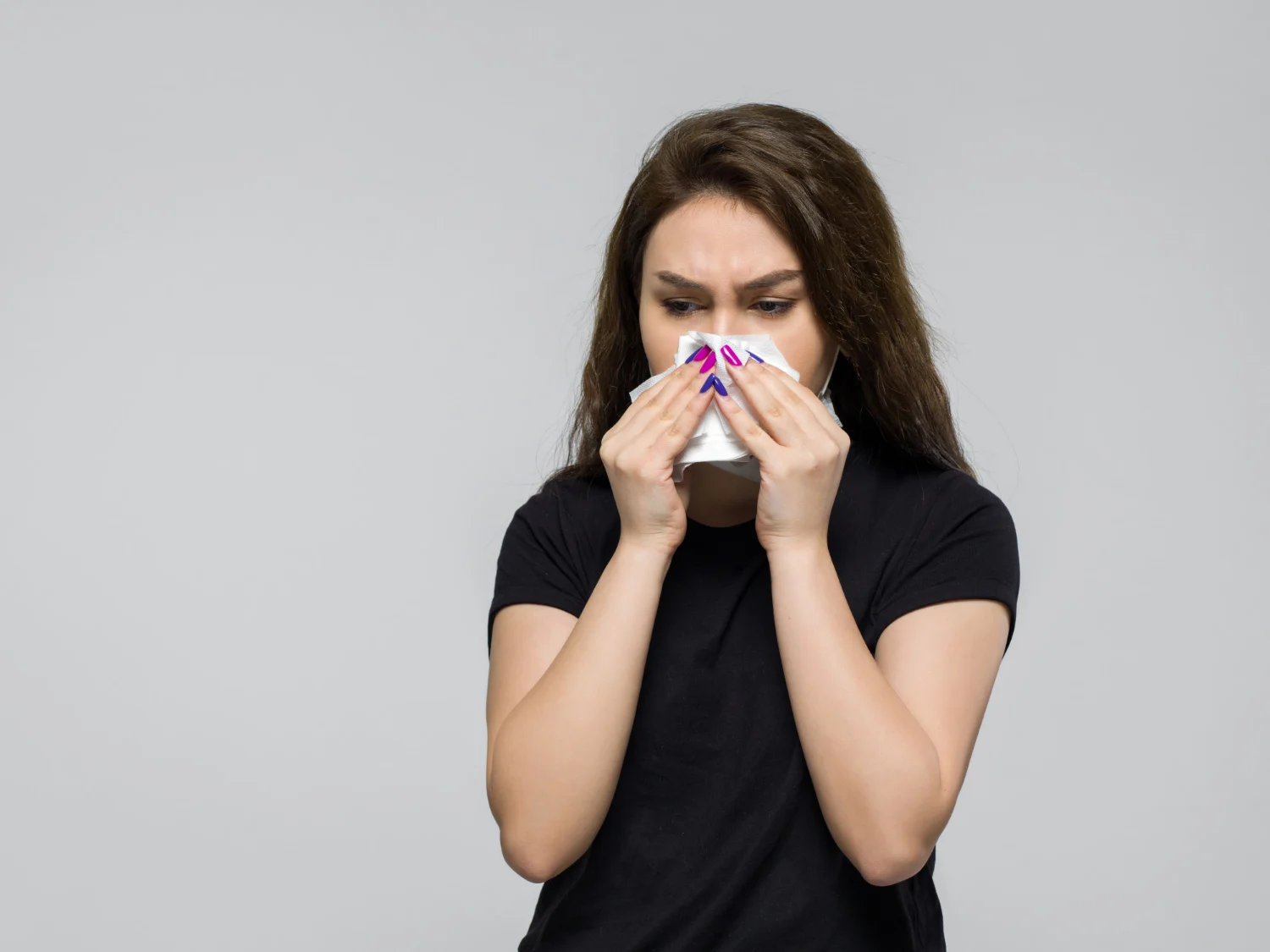
How to Manage Sinus Allergies in Winter
Category: General medicine
 Fri Jan 23 2026


Winter often brings a spike in sinus allergies, triggered by cold air, dust, indoor heating, and seasonal allergens. Symptoms such as nasal congestion, sneezing, itchy eyes, and sinus pressure can disrupt daily life. Understanding preventive measures and timely treatment is essential to enjoy a healthy winter season.
At Lokmanya Hospital, a trusted hospital for sinus allergies in Pune, patients receive expert guidance and care. With experienced ENT doctors for sinus allergies in Pune and advanced diagnostic facilities, the hospital provides personalized treatment to manage symptoms, prevent complications, and improve overall respiratory health.
Common Symptoms of Sinus Allergies in Winter
Recognizing sinus allergy symptoms early is crucial to prevent complications and manage discomfort effectively. Winter often aggravates these symptoms due to cold air, dry indoor heating, dust, and seasonal allergens. Some of the most common signs include:
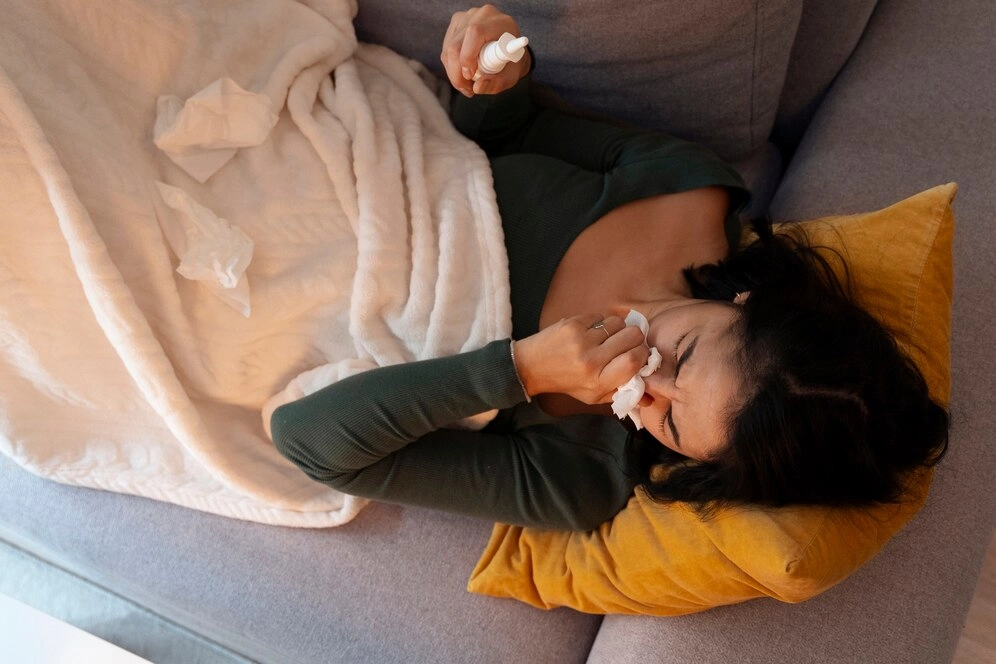
- Nasal Congestion and Runny Nose: Blocked or stuffy nasal passages make breathing difficult. Excess mucus may also drain continuously, leading to a runny nose that persists throughout the day. This is often one of the first and most noticeable symptoms of sinus allergies.
- Sneezing and Postnasal Drip: Frequent sneezing is a common response to allergens. Postnasal drip occurs when excess mucus collects at the back of the throat, causing irritation, a constant need to clear the throat, or even a mild cough.
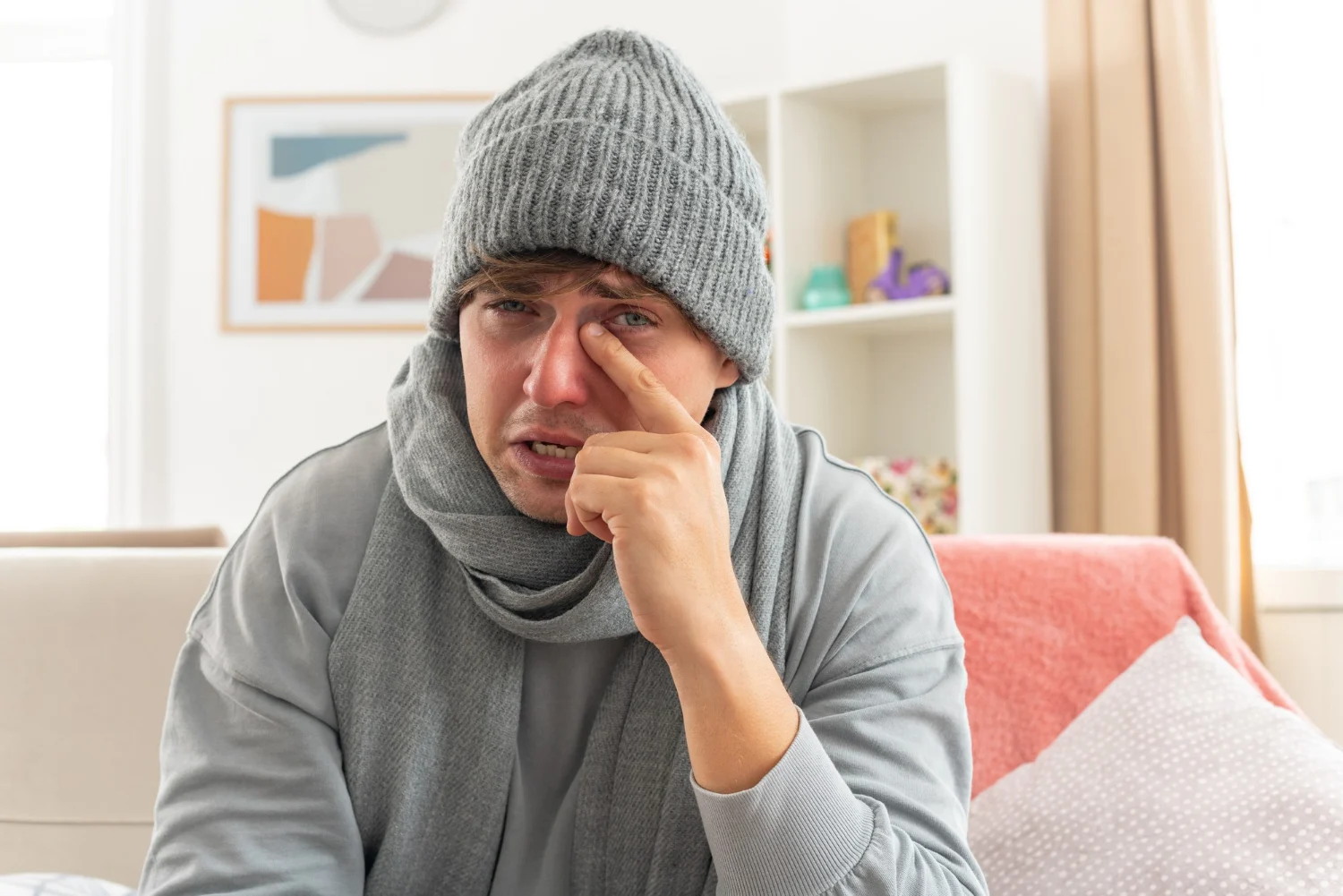
- Itchy or Watery Eyes: Allergens can trigger inflammation in the eyes, leading to itchiness, redness, and watery discharge. This can affect vision temporarily and cause discomfort, especially when exposed to dust or cold air.
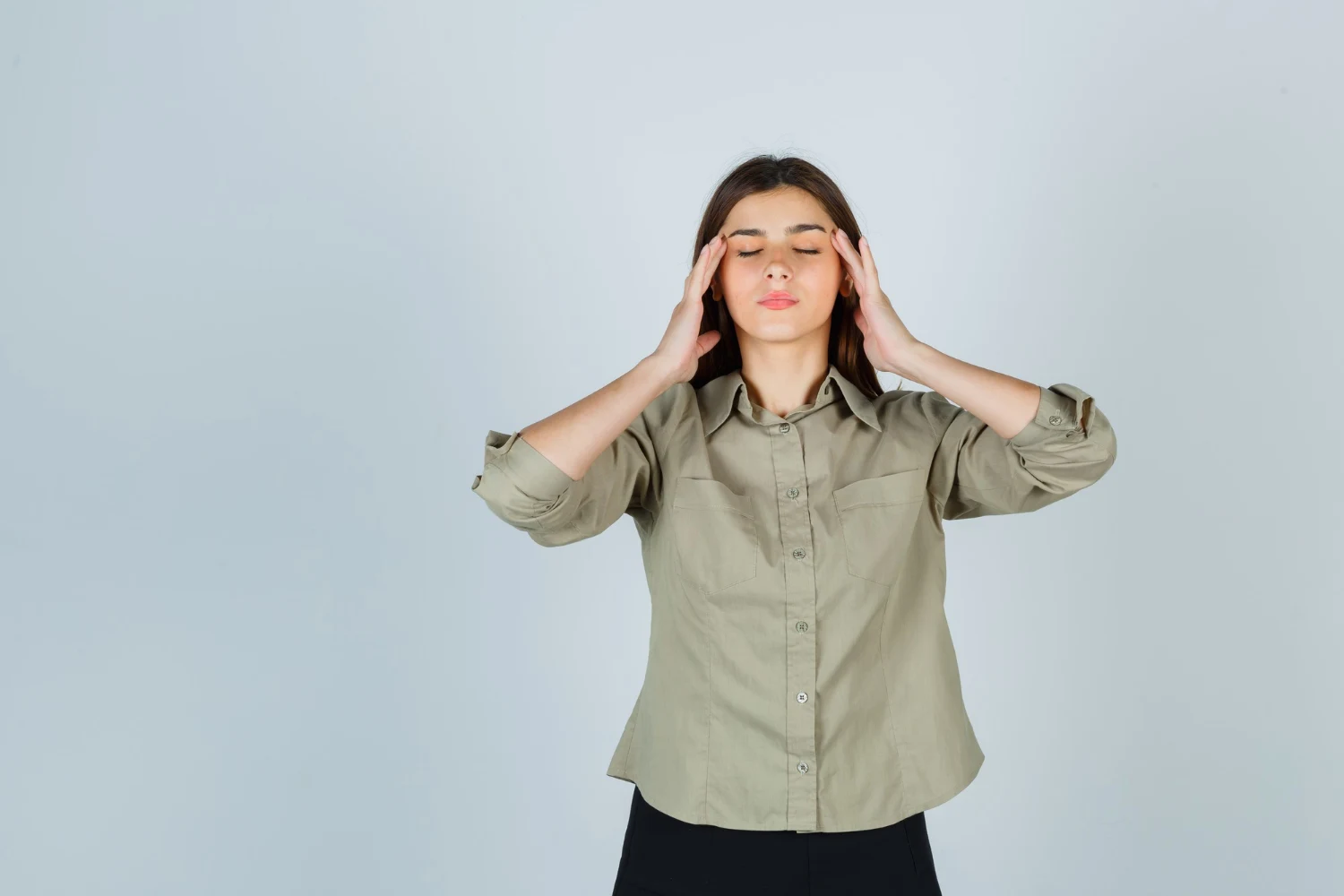
- Facial Pressure or Headaches: Sinus congestion often leads to a feeling of pressure or fullness in the cheeks, forehead, or around the eyes. In some cases, this pressure can result in headaches, particularly in the mornings or after prolonged exposure to cold environments.
- Coughing, Fatigue, or Throat Irritation: Mucus dripping down the throat can trigger persistent coughing. Continuous nasal congestion and allergic reactions can also lead to fatigue, low energy, and a scratchy or sore throat, affecting daily activities and overall quality of life.
If these symptoms persist, worsen, or significantly interfere with your daily life, consulting experienced ENT doctors for sinus allergies in Pune at Lokmanya Hospital is essential. Early diagnosis and personalized treatment can provide relief, prevent complications, and help manage winter sinus allergies effectively.
Causes and Triggers of Winter Sinus Allergies
Winter sinus allergies are often triggered by a mix of environmental factors, seasonal changes, and individual sensitivities. Understanding these triggers can help you take proactive steps to prevent flare-ups and manage symptoms effectively. Common causes include:
- Cold and Dry Indoor Air from Heaters: During winter, indoor heating systems lower humidity levels, which can dry out the nasal passages and sinus linings. Dry sinuses are more prone to irritation and inflammation, making it easier for allergens and viruses to trigger allergic reactions.
- Dust and Mold Accumulation Indoors: With windows and doors closed during cold months, dust, mold, and other indoor allergens tend to accumulate. Carpets, curtains, upholstery, and poorly ventilated areas can harbor these allergens, leading to frequent sinus irritation and flare-ups.
- Pet Dander and Pollen in Enclosed Spaces: Even though pollen levels may be lower in winter, it can still linger indoors. Pet dander, hair, and skin flakes from domestic animals are common allergens that can trigger sinus symptoms when ventilation is poor and cleaning is irregular.
- Weakened Immunity Due to Seasonal Changes: Reduced sunlight exposure in winter can lower vitamin D levels, which may weaken the immune system. A compromised immune system makes it harder for the body to fight off allergens and infections, increasing susceptibility to sinus allergies.
By identifying these triggers and understanding how they affect your sinuses, you can adopt targeted preventive measures, such as using humidifiers, cleaning indoor spaces regularly, and strengthening immunity, to reduce the frequency and severity of sinus allergy symptoms during winter.
Tips to Manage Sinus Allergies in Winter
1. Keep Indoor Air Clean
Use air purifiers or humidifiers to reduce dust, allergens, and dry air. Regularly clean carpets, curtains, and bedding to prevent allergen buildup.
2. Maintain Nasal Hygiene
Rinse nasal passages with saline sprays or solutions to remove allergens and reduce inflammation. Avoid touching or rubbing your nose and eyes frequently.
3. Stay Hydrated
Drink plenty of water, herbal teas, and warm fluids to keep mucous membranes moist and help flush out allergens from the nasal passages.
4. Avoid Known Allergens
Identify your triggers such as dust, pollen, pet dander, or indoor smoke and minimize exposure. Use masks when necessary in dusty or polluted environments.
5. Strengthen Your Immune System
Eat a balanced diet rich in fruits and vegetables, exercise regularly, and get adequate sleep. A strong immune system reduces the severity of allergic reactions.
6. Seek Timely Medical Care
Persistent or severe sinus allergy symptoms should be evaluated by ENT doctors for sinus allergies in Pune. Early consultation at a hospital for sinus allergies in Pune can prevent complications and provide relief through medications, immunotherapy, or other treatments.
Treatment Options for Sinus Allergies
At Lokmanya Hospital, treatment for sinus allergies is comprehensive, tailored to the patient’s needs:
- Medications: Antihistamines, decongestants, and nasal sprays help relieve allergy symptoms.
- Immunotherapy: Recommended for patients with chronic or severe allergies, this treatment reduces sensitivity to allergens over time.
- ENT Procedures: For persistent cases, specialized procedures may be suggested to restore nasal function and prevent recurring infections.
- Lifestyle and Home-Care Guidance: Patients receive expert advice on nasal hygiene, environmental control, and preventive measures to minimize flare-ups.
When to Consult a Doctor
Seek medical attention if sinus allergy symptoms:
- Persist for more than 10 days
- Worsen over time or interfere with daily life
- Include severe facial pain, swelling, headaches, or fever
Why Choose Lokmanya Hospital for Sinus Allergy Treatment
Lokmanya Hospital is a leading hospital for sinus allergies, providing advanced diagnostics, personalized treatment plans, and follow-up care. Their skilled ENT doctors for sinus allergies ensure accurate diagnosis and effective management for both adults and children.
The hospital focuses on prevention as well as treatment, offering expert guidance on lifestyle changes, home care, and allergy management strategies. With modern facilities, experienced medical staff, and a patient-focused approach, families trust Lokmanya Hospital for comprehensive sinus allergy care.
Conclusion
Managing sinus allergies in winter requires a combination of indoor air management, nasal hygiene, hydration, immunity support, and avoidance of allergens. Timely medical care ensures effective symptom relief and prevents complications.
For persistent or severe sinus allergy symptoms, consulting experts is essential. Lokmanya Hospital, with its specialized ENT doctors for sinus allergies and advanced facilities, provides comprehensive care to ensure a comfortable and healthy winter season for you and your family.
FAQs
1. What causes sinus allergies in winter?
Cold air, dry indoor heating, dust, pollen, and pet dander are common triggers.
2. How can I prevent sinus allergies at home?
Use air purifiers, humidifiers, clean your home regularly, rinse nasal passages, and avoid known allergens.
3. When should I see a doctor for sinus allergies?
If symptoms are persistent, severe, or affect daily life, consult ENT doctors for sinus allergies.
4. Can children get sinus allergies in winter?
Yes, children can experience sinus allergies. Pediatric ENT specialists can provide proper care.
5. Are there home remedies for sinus allergies?
Saline nasal rinses, steam inhalation, warm fluids, and maintaining clean indoor air can help.
6. Does Lokmanya Hospital treat chronic sinus allergies?
Yes, the hospital provides comprehensive care for both acute and chronic sinus allergy cases.
7. How can I strengthen immunity to reduce sinus allergy symptoms?
Eat a balanced diet, stay hydrated, exercise regularly, get enough sleep, and follow your doctor’s guidance.
8. Is Lokmanya Hospital a trusted choice for sinus allergy treatment?
Yes, with advanced facilities, skilled ENT doctors, and personalized care, it is a reliable hospital for sinus allergies.
Previous blog